2026 Top Webbing Strap Trends You Need to Know?
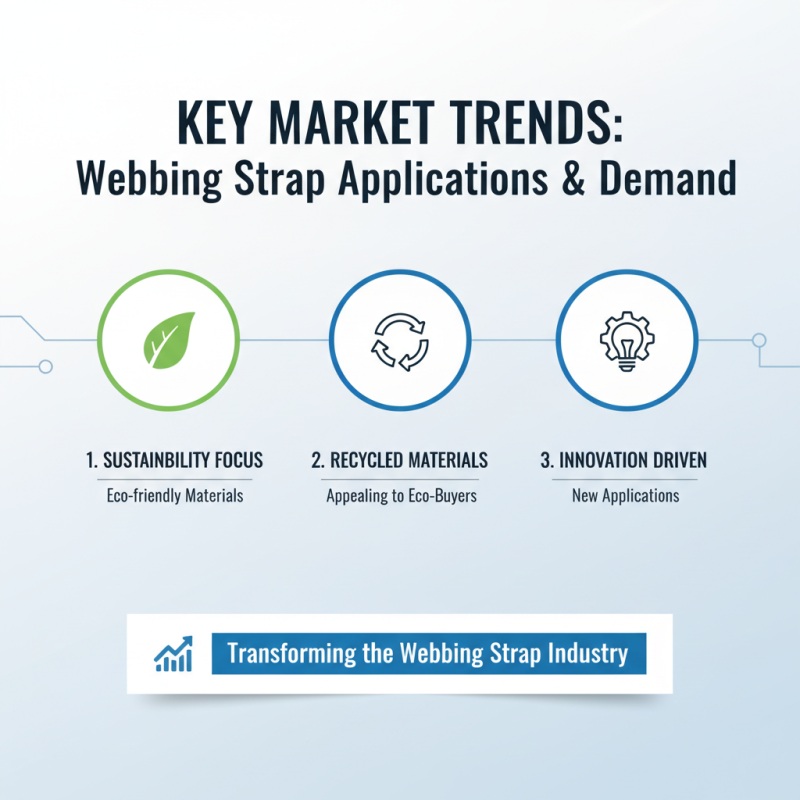
In the dynamic world of outdoor gear and fashion, the "Webbing Strap" emerges as a game changer. As multifunctional accessories, webbing straps are not just practical but also stylish. Their versatility suits various applications, from backpacks to apparel. Understanding the top trends in webbing straps for 2026 is crucial for consumers and innovators alike.
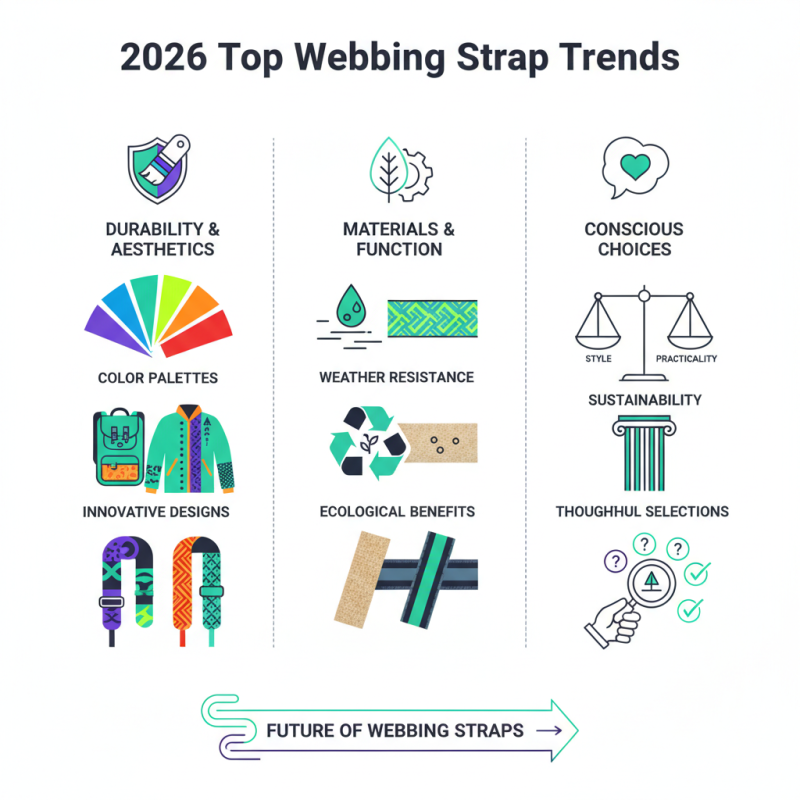
This year, we see a blend of durability and aesthetics in webbing strap designs. The color palettes are vibrant, appealing to diverse preferences. Innovations in materials also enhance their functionality, offering weather resistance and ecological benefits. However, the rapid evolution can leave some feeling disoriented, as they navigate what truly fits their needs.
As we explore these upcoming trends, it’s essential to reflect on our choices. Are we prioritizing style over practicality? Do we select products that align with our values, like sustainability? The future of webbing straps invites us to rethink our purchasing habits and embrace thoughtful selections. The trends ahead promise excitement but also call for awareness.
Emerging Materials in Webbing Strap Design for 2026
The world of webbing straps is evolving, particularly in 2026. Emerging materials are redefining design and functionality. Innovative synthetic fibers are gaining ground. These materials offer increased durability and lighter weight. For instance, bio-based plastics can reduce environmental impact. Their use reflects a shift towards sustainability.
Recycled materials are also significant. They promote eco-friendliness while maintaining high performance. These options can meet the increasing consumer demands for responsible manufacturing. Yet, the challenge lies in balancing performance with sustainability. Some recycled materials may not perform as well as conventional ones. Continuous testing and refinement are essential.
Moreover, smart textiles are joining the conversation. Incorporating technology could mean integrating sensors into the webbing. This adds functionality but may complicate production. The potential for innovation is exciting, yet it raises questions. Are we ready to embrace smart features in strapping solutions? The future of webbing straps is bright but requires critical thought. How we adapt to these changes will shape the industry's path.
Innovative Manufacturing Techniques Shaping Webbing Straps
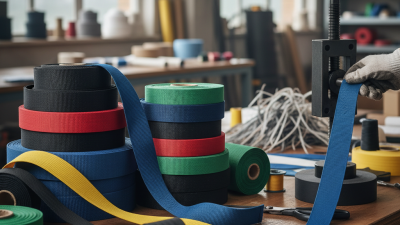
The future of webbing straps is bright, driven by innovative manufacturing techniques. Recent industry reports indicate a shift towards lightweight materials that enhance durability and strength. This change is largely due to advancements in polymer blends and weaving technology. These innovations reduce the weight of straps while maintaining their load-bearing capacity, making them ideal for diverse applications.
One key technique is the introduction of 3D knitting, which allows for more complex designs and patterns. This flexibility results in customized webbing solutions tailored to specific needs. As per a report from the Technical Textile Association, 3D knitted straps show a performance improvement of up to 30%. Such improvements offer more comfort and adaptability in various environments.
Tips: Always check for the weight capacity of webbing straps. Ensure they are suitable for your intended use.
Monitoring trends helps you stay ahead. Sustainability practices are becoming paramount. Techniques like recycled polyester are gaining traction. This aligns with consumer demand for eco-friendly products. Brands adopting these materials report a 20% increase in customer loyalty.
Tips: Research manufacturers committed to sustainable practices. This choice could enhance your brand’s reputation.
Sustainable Practices in Webbing Strap Production and Use
Sustainable practices are transforming how webbing straps are produced and used. The production process now emphasizes eco-friendly materials. Manufacturers are exploring natural fibers, recycled plastics, and bio-based polymers. These innovations significantly reduce environmental impact while maintaining functionality and durability.
Moreover, the use phase of webbing straps also embraces sustainability. Companies promote reusable and repairable designs. This approach encourages consumers to think critically about their purchase habits. Consumers are increasingly aware of their choices' ecological footprints. While convenience is vital, it is essential to reflect on durability and lifecycle. In many cases, cheaper options may lead to waste and environmental harm.
Sustainability is not without its challenges. Balancing quality, cost, and eco-friendliness can be complex. There is still room for improvement in recycling processes. Awareness and education play crucial roles in this transition. Engaging with sustainable practices is a collective effort that involves consumers, producers, and the wider community.
Popular Color Palettes and Patterns for Webbing Straps in 2026
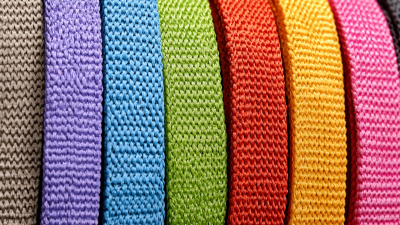
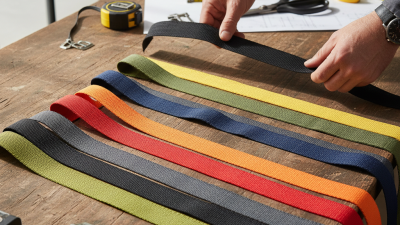
As we look ahead to 2026, webbing straps are set to reflect a vibrant spectrum of colors and patterns. Popular color palettes will likely embrace a mix of bold hues and earthy tones. Deep blues, rich greens, and warm terracotta shades are expected to dominate. These colors evoke a sense of connection to nature, resonating with consumers who value sustainability. Textures will play a significant role too, adding depth to the visual appeal.
Patterns will also evolve, integrating geometrics and organic motifs. Stripes and chevrons are timeless but can be freshened up with unexpected color combinations. Floral designs, once deemed too feminine, are making a surprising comeback, appealing to a broader audience. This shift indicates a desire for diversity in style and functionality. However, it’s important to reflect if these trends might lead to a saturated market, making it tough for unique brands to stand out. Consumers will likely crave individuality amidst the trends.
Designers need to balance creativity with consumer demand. It’s crucial to explore these palettes and patterns while also considering ease of manufacturing and durability. Trends can quickly shift, so staying adaptable will be key. Engaging actively with consumer feedback will also aid brands in aligning their designs with market needs. The path ahead looks colorful, yet it invites continuous reflection and innovation.
2026 Top Webbing Strap Trends You Need to Know
| Color Palette |
Pattern |
Material |
Usage Trend |
| Deep Blue & Olive Green |
Geometric Shapes |
Nylon Blend |
Outdoor Gear |
| Sunset Orange & Teal |
Stripes |
Polyester |
Fashion Accessories |
| Pastel Pink & Mint Green |
Floral |
Cotton |
Casual Wear |
| Charcoal Gray & Lime |
Checkered |
Recycled Material |
Eco-Friendly Products |
| Bright Yellow & Royal Blue |
Animal Prints |
Canvas |
Sports Equipment |