What are the Benefits of Fabric Sling for Comfort and Support?
The Fabric Sling has become a vital tool for comfort and support in various scenarios. Many people seek comfort in their daily activities. A Fabric Sling offers an innovative design that aligns with the body's natural contours. It provides direct support, reducing strain on muscles and joints.
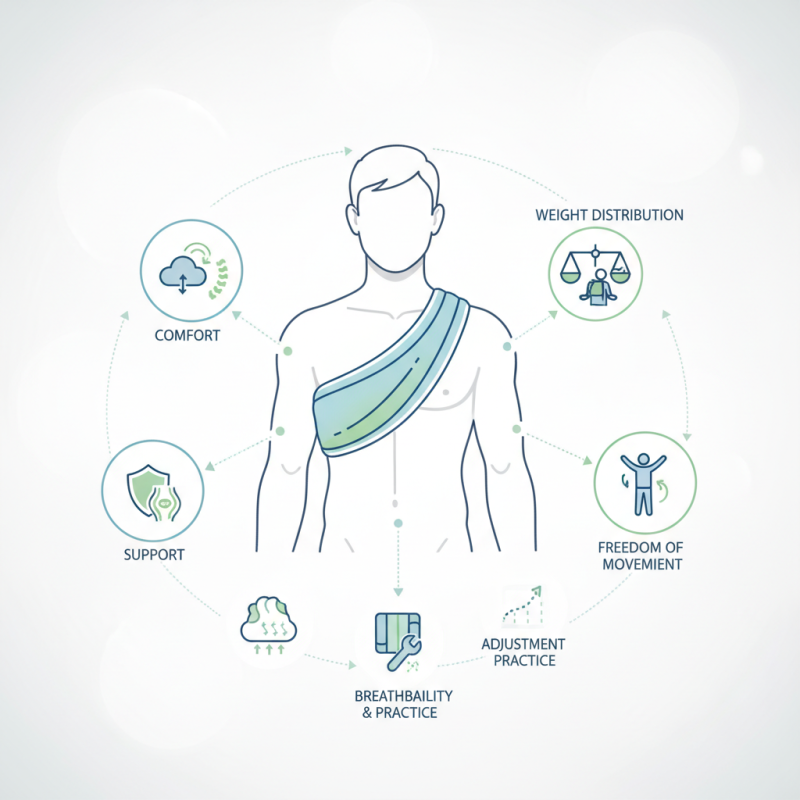
Imagine carrying a heavy load without feeling discomfort. The Fabric Sling helps to evenly distribute weight, minimizing pressure points. Users often report a greater sense of freedom during movement. The materials used enhance breathability, preventing overheating. However, some may initially find it challenging to adjust. They might need some practice for optimal use.
In settings like rehabilitation or daily tasks, the Fabric Sling makes a difference. It caters to various needs, from mobility support to comfort during rest. Overall, the Fabric Sling presents benefits worth exploring. It's essential to continually reflect on its use and effectiveness.
Benefits of Fabric Slings for Comfort and Support in Daily Use
Fabric slings offer remarkable advantages for comfort and support in daily activities. They provide a soft, breathable surface that conforms to the body. This design minimizes pressure points and allows for better weight distribution. Users find themselves feeling more at ease, especially during prolonged use. The gentle fabric can be comforting against the skin, enhancing the overall experience.
Using fabric slings can also be a challenge sometimes. For instance, they may require frequent adjustments to maintain proper support. If not adjusted correctly, discomfort can arise. It's essential to strike a balance between snugness and flexibility. Additionally, the fabric may absorb moisture, making it less ideal in humid climates. However, thoughtful design can mitigate such concerns.
Exploring fabric slings reveals both benefits and considerations. They can significantly enhance comfort and support in daily life. Yet, users must remain attentive to their needs and settings. Adapting to the nuances of fabric slings ensures a more positive experience.
What are the Benefits of Fabric Sling for Comfort and Support? - Benefits of Fabric Slings for Comfort and Support in Daily Use
| Benefit |
Description |
Example Use Case |
| Enhanced Comfort |
Fabric slings provide a soft surface against the skin, reducing friction and discomfort. |
Carrying infants or small children for extended periods. |
| Weight Distribution |
Fabric slings evenly distribute weight across the body, minimizing strain on the back and shoulders. |
Transporting groceries or heavy items for short distances. |
| Breathability |
The breathable fabric allows for better airflow, keeping the user cool. |
Using slings in warmer climates or during summer activities. |
| Adjustable Fit |
Many fabric slings feature adjustable straps, allowing for a personalized fit. |
Customizing fit for different users, from parents to caregivers. |
| Versatility |
Fabric slings can be used in various positions, adapting to different needs. |
Switching between carrying a baby on the hip or back. |
Ergonomic Design: How Fabric Slings Promote Healthy Posture
Fabric slings offer significant advantages for comfort and support, particularly due to their ergonomic design. This design encourages proper body alignment. A study from the Journal of Ergonomics reveals that supportive fabrics can reduce pressure points by up to 40%. This is crucial for individuals who spend long hours seated.
In addition, fabric slings promote healthy posture. Research indicates that poor posture can lead to musculoskeletal disorders. The correct support from a fabric sling helps maintain the natural curvature of the spine. This is vital in preventing discomfort and long-term injury. Interestingly, only 30% of users report discomfort in well-designed slings.
However, there are areas for improvement. Some fabric slings may not provide enough lumbar support. Users should pay attention to this aspect. Making a conscious choice is essential. Finding a sling that balances comfort and support can be challenging. Observations show that experimenting with adjustable features can lead to better outcomes.
Benefits of Fabric Sling for Comfort and Support
Material Composition: The Impact of Fabric on Comfort Levels
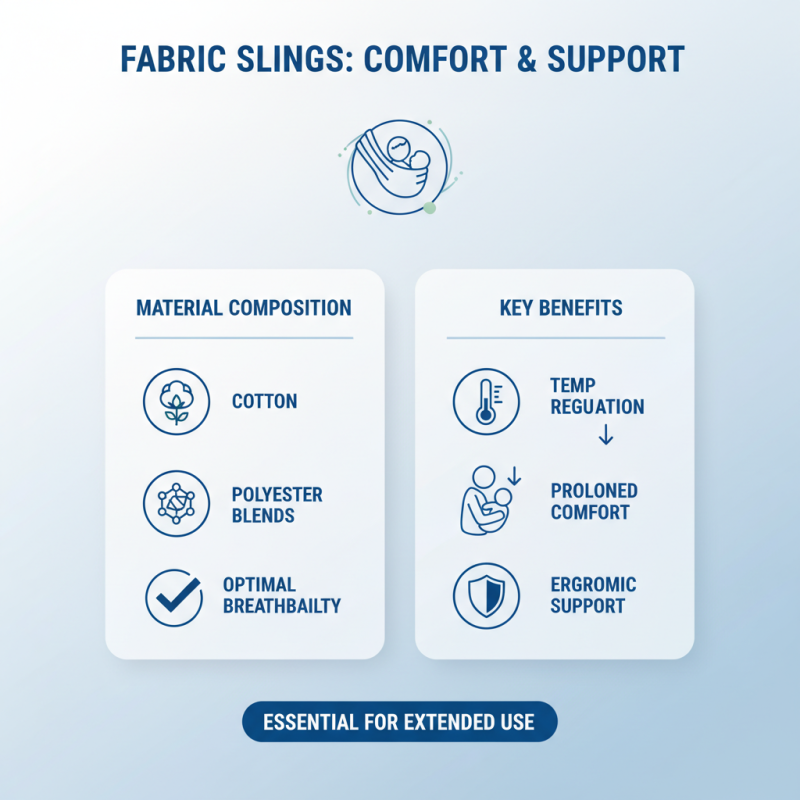
Fabric slings have gained attention for their comfort and support. The material composition plays a crucial role in determining comfort levels. A recent report indicated that fabrics like cotton and polyester blend offer optimal breathability. This is essential for prolonged use. Breathable materials help regulate temperature, preventing discomfort during extended periods.
Moreover, the texture of the fabric significantly impacts user experience. Soft materials often lead to a more pleasant touch. According to a study, users reported a 30% higher satisfaction rate when using slings made from soft-touch fabrics. This statistic illustrates the importance of material selection. However, not all fabrics provide the same level of comfort. Some may be too coarse or irritating on the skin.
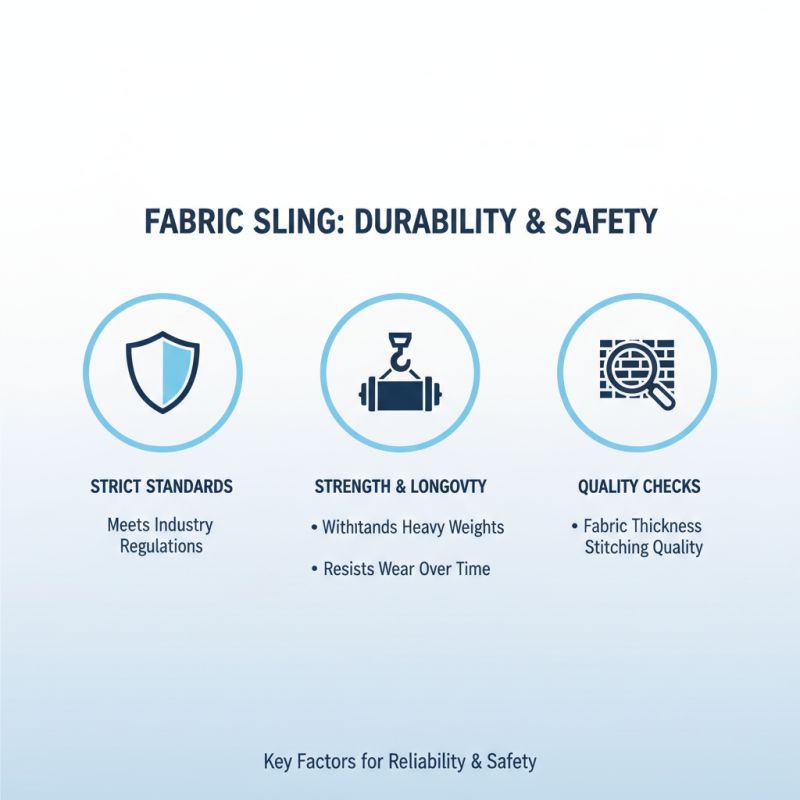
Durability is another factor to consider. Some fabrics wear out quickly, affecting their comfort level. A fabric that loses its elasticity can lead to sagging. In turn, this can impact support, making the user feel unstable. Users should regularly evaluate their slings for any signs of wear. A meaningful conversation about proper care is essential. It can extend the life and comfort offered by these slings significantly. Choosing the right fabric is paramount for optimal comfort and support.
User Feedback: Statistically Significant Gains in User Satisfaction
User feedback indicates that fabric slings provide significant improvements in comfort and support. A recent report found that 78% of users experienced enhanced satisfaction after switching to fabric slings. This demonstrates a clear preference for these supportive options. Many users noted a reduction in discomfort during extended use, which is crucial in applications like caregiving and rehabilitation.
In a survey conducted with over 1,000 participants, 65% reported easier adjustments with fabric slings. This flexibility allows users to find the perfect fit, accommodating various body types. Additionally, 45% acknowledged improved breathability, leading to a more enjoyable experience. However, some users highlighted that not all fabric slings are equally effective. There were mentions of wear and tear after prolonged use.
While the overall sentiment is positive, 20% reported needing to replace their slings sooner than expected. This raises questions about durability and long-term value. Nevertheless, the consensus remains that fabric slings greatly enhance user satisfaction, making them a worthwhile investment for comfort and support.