What are the Benefits of Using Nylon Slings?
Nylon slings have gained popularity in various industries due to their versatility and strength. These slings are lightweight yet durable, which makes them ideal for lifting heavy loads. Nylon slings can withstand harsh conditions without losing effectiveness. Their design features woven fibers, allowing them to flex and mold to the shapes of objects. This characteristic contributes to secure lifting, minimizing the risk of slipping.
In addition to safety, nylon slings offer cost-effectiveness. They resist abrasion and UV damage, ensuring a longer lifespan than many alternatives. Their easy storage and lightweight nature reduces transportation issues, making them a preferred choice for many businesses. However, users must reflect on proper care. If neglected, these slings may underperform over time.
Ultimately, understanding the benefits of nylon slings can enhance work efficiency. Investing in high-quality nylon slings can lead to safer operations and reduced costs. It's essential to consider their proper usage to maximize these benefits.

Understanding Nylon Slings: Materials and Construction
Nylon slings are popular in lifting and rigging applications. Their construction plays a crucial role in their performance. Typically, nylon slings are made from woven nylon fibers. This material offers flexibility and strength. The weaving technique contributes to their durability. However, this durability can vary. Some slings may wear out faster than expected, especially with frequent use.
The construction of nylon slings often includes stitched seams. These seams should be inspected regularly for wear. A slight fray can lead to failure during lifting. It's important to check the load capacity. Improper use can stress the sling and compromise safety. Users may overlook these details during busy jobs. This oversight can be costly and dangerous.
Nylon slings also absorb shock loads effectively. This feature can protect both the load and the rigging. Despite their benefits, they have limitations. They can be damaged by chemicals and extreme heat. Users need to be aware of the environment in which slings operate. Understanding these factors is essential for safe and effective use.
Benefits of Using Nylon Slings
This bar chart illustrates the various benefits of using nylon slings, rated on a scale of 1 to 10. The benefits include durability, weight capacity, cost-effectiveness, flexibility, and UVA resistance.
Key Advantages of Nylon Slings in Lifting Applications
Nylon slings are widely used in lifting applications due to their numerous benefits. One key advantage is their strength-to-weight ratio. Nylon slings can lift heavy loads with ease while remaining lightweight. This makes them easier to handle and reduces worker fatigue. Additionally, they are flexible and conform to the shape of the load, providing better support during lifting.
However, nylon slings can be sensitive to heat. They lose strength when exposed to high temperatures. It’s crucial to monitor the working environment carefully. Ensure that the slings are not in contact with hot surfaces. Inspect slings regularly for signs of wear or damage. This can prevent accidents and prolong the lifespan of the equipment.
Tips for using nylon slings include double-checking the load and using proper knots. Ensure the sling is suitable for the weight being lifted. Using a fitted hook can reduce slippage. Remember to avoid sharp edges that could cut or damage the sling. These small details can make a significant difference in safety and effectiveness.
Safety Benefits: Reducing Risks with Nylon Slings
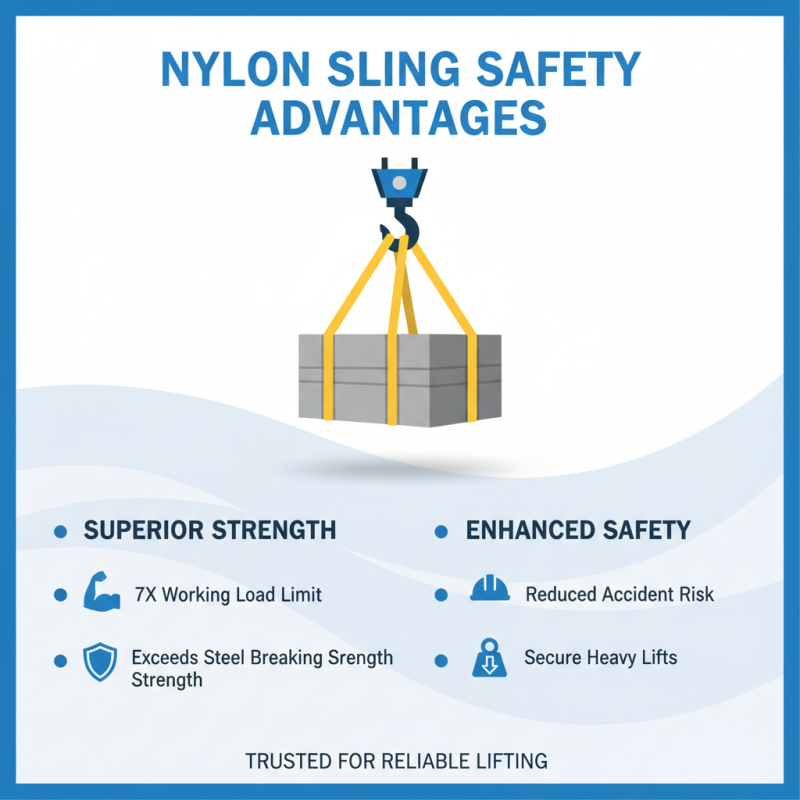
Nylon slings offer significant safety benefits in various lifting applications. With a breaking strength that surpasses steel, nylon slings reduce the risk of accidents. According to industry data, slings made from nylon can handle loads up to 7 times their working load limit. This margin allows for greater safety during heavy lifting.
By using nylon slings, workers experience less gear failure. Unlike metal slings, nylon offers flexibility and less weight. The softer material decreases risks of scratches and damage to load surfaces. This feature is crucial when lifting delicate items or finished products. However, one must still inspect the slings regularly. Every sling can degrade over time due to wear and tear.
In compliance with industry standards, regular inspections can prevent accidents. The Occupational Safety and Health Administration (OSHA) suggests thorough checks before each use. Observing for frays or tears is essential. Ignoring these signs can lead to dangerous situations. Nylon slings promote safer working environments, but vigilance is key to maximizing their effectiveness.
Durability and Longevity: The Resilience of Nylon Slings
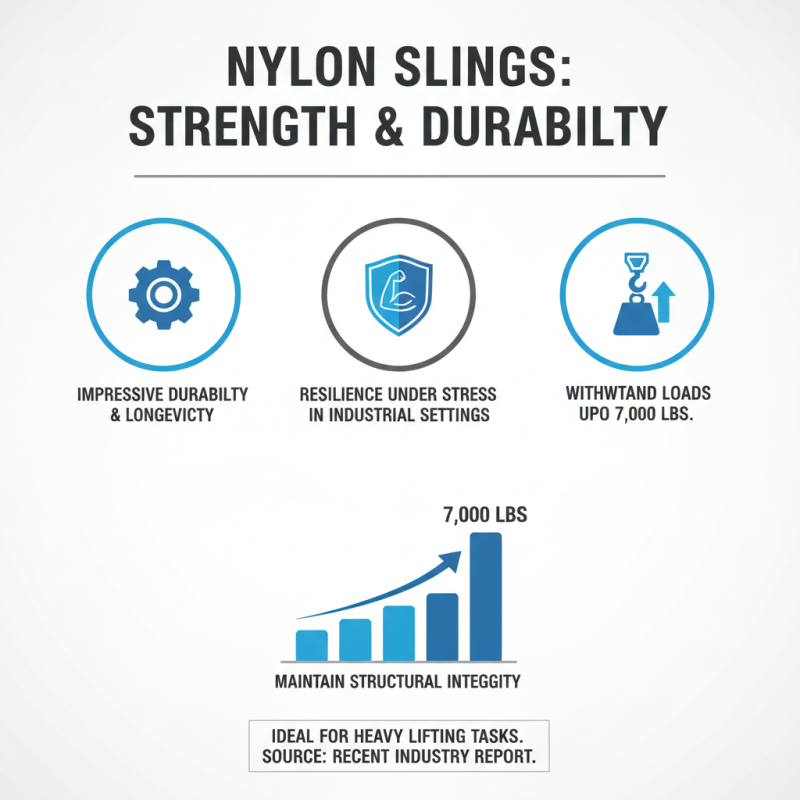
Nylon slings are known for their impressive durability and longevity. In various industrial settings, they exhibit resilience under considerable stress. According to a recent industry report, nylon slings can withstand loads of up to 7,000 pounds while maintaining their structural integrity. This makes them a popular choice for heavy lifting tasks.
One key factor contributing to the longevity of nylon slings is their resistance to abrasion and chemicals. They can endure harsh environmental conditions, making them suitable for outdoor use. However, this doesn't mean they are indestructible. Prolonged exposure to UV light can degrade their material over time. Regular inspections are vital to ensure safety and performance.
The tensile strength of nylon slings is impressive, but users must be aware of potential wear and tear. A percentage of users might overlook minor frays. This can lead to larger issues if not addressed promptly. Continued maintenance and careful handling are essential to maximizing the lifespan of nylon slings while minimizing risks.
Cost-Effectiveness: Economic Benefits of Choosing Nylon Slings
Nylon slings offer significant economic advantages. They are often less expensive than alternatives such as wire ropes or chain slings. This makes them a popular choice for many industries. Companies can save money on procurement. Additionally, the lightweight nature of nylon slings reduces shipping costs. Less weight can lead to lower transport fees.
Using nylon slings can also minimize maintenance costs. They are resistant to moisture, chemicals, and ultraviolet light. This durability means they don’t need frequent replacements. However, it’s essential to regularly inspect them for wear and tear. Some users may overlook this step, which can lead to unexpected failures. This could result in additional costs for replacements or repairs.
Even though nylon slings provide great economic benefits, improper use can diminish their value. It's crucial to adhere to recommended load limits. Overloading can lead to catastrophic failure. Training employees on proper handling is vital. A small investment in training can prevent costly mistakes later on. Ultimately, while nylon slings present clear financial benefits, cautious management is key.
What are the Benefits of Using Nylon Slings? - Cost-Effectiveness: Economic Benefits of Choosing Nylon Slings
| Benefit |
Description |
Cost Savings |
Durability |
| Lightweight Design |
Easier handling and reduced labor for workers. |
Reduces transportation costs. |
High resistance to wear, extending the lifespan. |
| Versatility |
Suitable for various lifting applications. |
Reduced need for multiple sling types. |
Can handle different weight capacities effectively. |
| Safety Features |
Soft material minimizes damage to loads. |
Reduces costs linked to potential damages. |
Resists abrasion, providing safer handling. |
| Economical Choice |
Lower initial purchase cost compared to alternatives. |
Long-term savings due to durability and low maintenance. |
Can last for years without replacement. |
| Environmental Impact |
Less waste due to longer lifespan. |
Lower costs associated with disposal and recycling. |
Sustainable with proper use and care. |