Top 10 Benefits of Using Synthetic Slings for Heavy Lifting Tasks
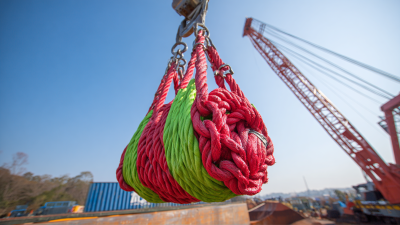
In the demanding world of heavy lifting, the choice of equipment can significantly influence both safety and efficiency. Among the various lifting tools available, the synthetic sling has emerged as a leading option, offering numerous advantages over traditional alternatives. Synthetic slings are made from lightweight materials such as nylon or polyester, which not only contribute to ease of handling but also enhance the versatility of lifting operations. As industries increasingly seek to optimize their processes, understanding the benefits of synthetic slings becomes crucial for both operators and safety managers.
One of the standout features of synthetic slings is their dynamic strength and flexibility, which allow them to adapt to different lifting scenarios. Their ability to distribute loads evenly reduces the risk of damage to transported materials, thereby contributing to more efficient operations. Moreover, synthetic slings possess inherent properties that make them resistant to abrasion and UV radiation, prolonging their lifespan and minimizing maintenance costs. This combination of safety, efficiency, and durability offers compelling reasons for organizations to integrate synthetic slings into their heavy lifting tasks. In this article, we will delve into the top ten benefits of using synthetic slings, highlighting why they are an indispensable tool in modern lifting applications.
Enhanced Safety Features of Synthetic Slings in Heavy Lifting
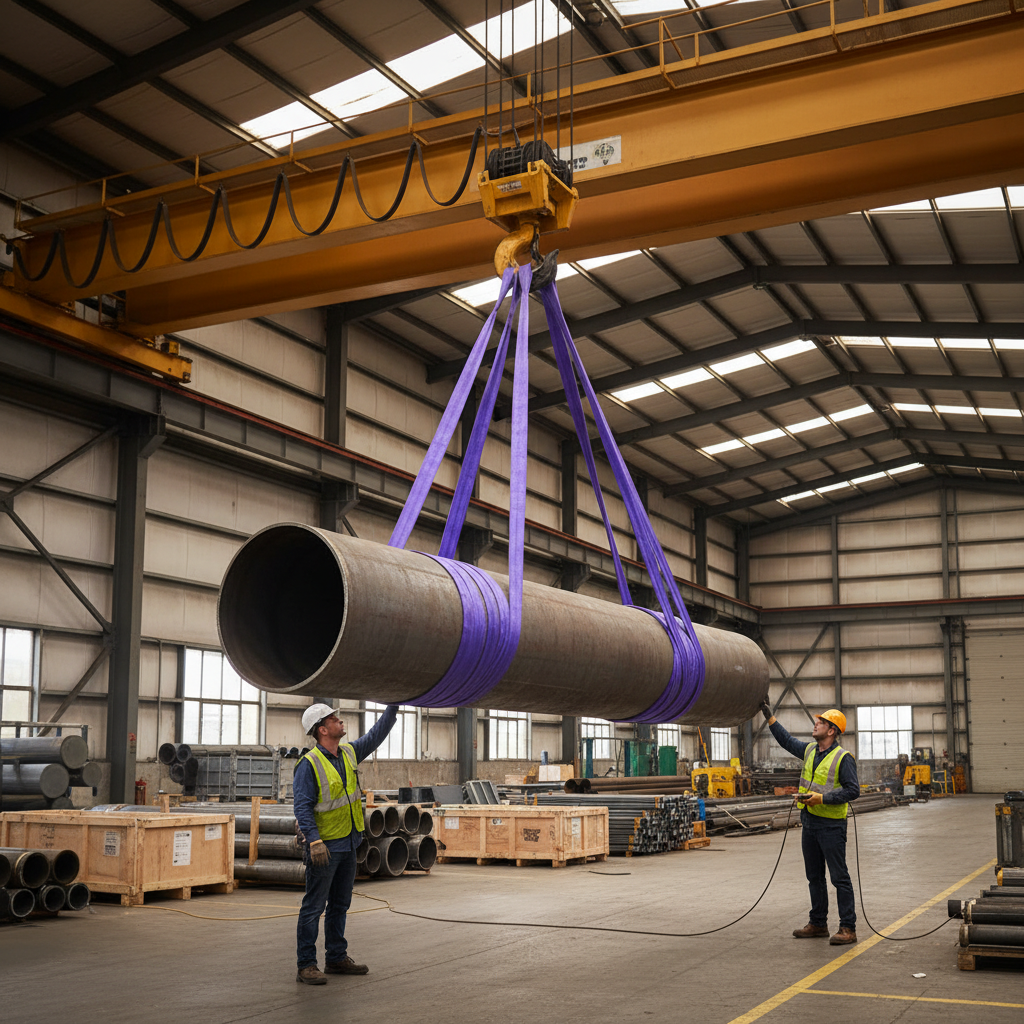
Synthetic slings are becoming increasingly popular in heavy lifting tasks, primarily due to their enhanced safety features. Unlike traditional steel slings, synthetic slings are designed to reduce the risk of accidents associated with heavy lifting operations. Their lightweight yet robust construction decreases the strain on workers, making lifting both easier and safer. Moreover, synthetic materials are more resistant to environmental factors such as moisture and chemicals, which further mitigates the likelihood of failure during lifting tasks.
The lifting accessories market is projected to experience significant growth, reaching an estimated USD 973.8 million by 2035. This increase can be attributed to an uptick in construction and heavy lifting projects, necessitating reliable and safe rigging solutions. Synthetic slings also bolster this trend with their adaptability in various heavy lifting scenarios, enhanced load distribution capabilities, and lower potential for damage to the load itself.
As the industry increasingly embraces automation, the incorporation of sophisticated below-the-hook products like synthetic slings is expected to transform heavy lifting, streamlining operations while ensuring worker safety remains a top priority.
Lightweight Design Advantages for Improved Maneuverability
Synthetic slings have become increasingly popular in the heavy lifting industry, primarily due to their lightweight design that enhances maneuverability. According to industry reports, synthetic slings can be up to 75% lighter than their steel counterparts, making them easier to handle and reducing the physical strain on operators. This lightweight design allows for improved agility and efficiency during lifting operations, especially in confined spaces where traditional slings may be cumbersome.
Moreover, the innovative materials used in synthetic slings provide exceptional flexibility and adaptability. The ability to easily wrap around various loads and provide secure grips helps reduce the risk of slippage or damage during lifting. In a recent study, it was found that synthetic slings exhibit lower wear and tear, significantly extending their lifespan compared to traditional lifting solutions. The combination of lightweight construction and high durability not only enhances operational safety but also optimizes overall lifting performance, making synthetic slings a valuable asset in any heavy lifting task.
Top 10 Benefits of Using Synthetic Slings for Heavy Lifting Tasks - Lightweight Design Advantages for Improved Maneuverability
| Benefit |
Description |
Impact |
| Lightweight Design |
Synthetic slings are significantly lighter than traditional alternatives. |
Easier handling and transport during lifting operations. |
| Enhanced Maneuverability |
Their flexibility allows for better positioning in tight spaces. |
Improved efficiency in various lifting scenarios. |
| High Strength-to-Weight Ratio |
Synthetic slings can lift heavy loads despite their light weight. |
Reduces the need for bulky lifting equipment. |
| Resistance to Environmental Factors |
They are often resistant to UV rays, moisture, and chemicals. |
Increases lifespan and reliability in various conditions. |
| Reduced Risk of Damage |
Soft slings prevent scratching or damaging lifted surfaces. |
Saves costs on repairs and replacements. |
| Easy to Inspect |
Synthetic materials allow for clear visibility of wear and tear. |
Helps to ensure safety and compliance standards are met. |
| Cost-Effective |
Synthetic slings are often less expensive to purchase and maintain. |
Offers savings for businesses over time. |
| Versatility |
Can be used for various lifting applications across industries. |
Adaptable to different lifting needs and environments. |
| Weight Distribution |
Distributes weight evenly, reducing the risk of imbalance. |
Enhances safety during lifts. |
| Easy to Clean and Maintain |
Synthetic slings require less frequent maintenance compared to some alternatives. |
Increases operational efficiency. |
Resistance to Environmental Factors: Longevity and Durability
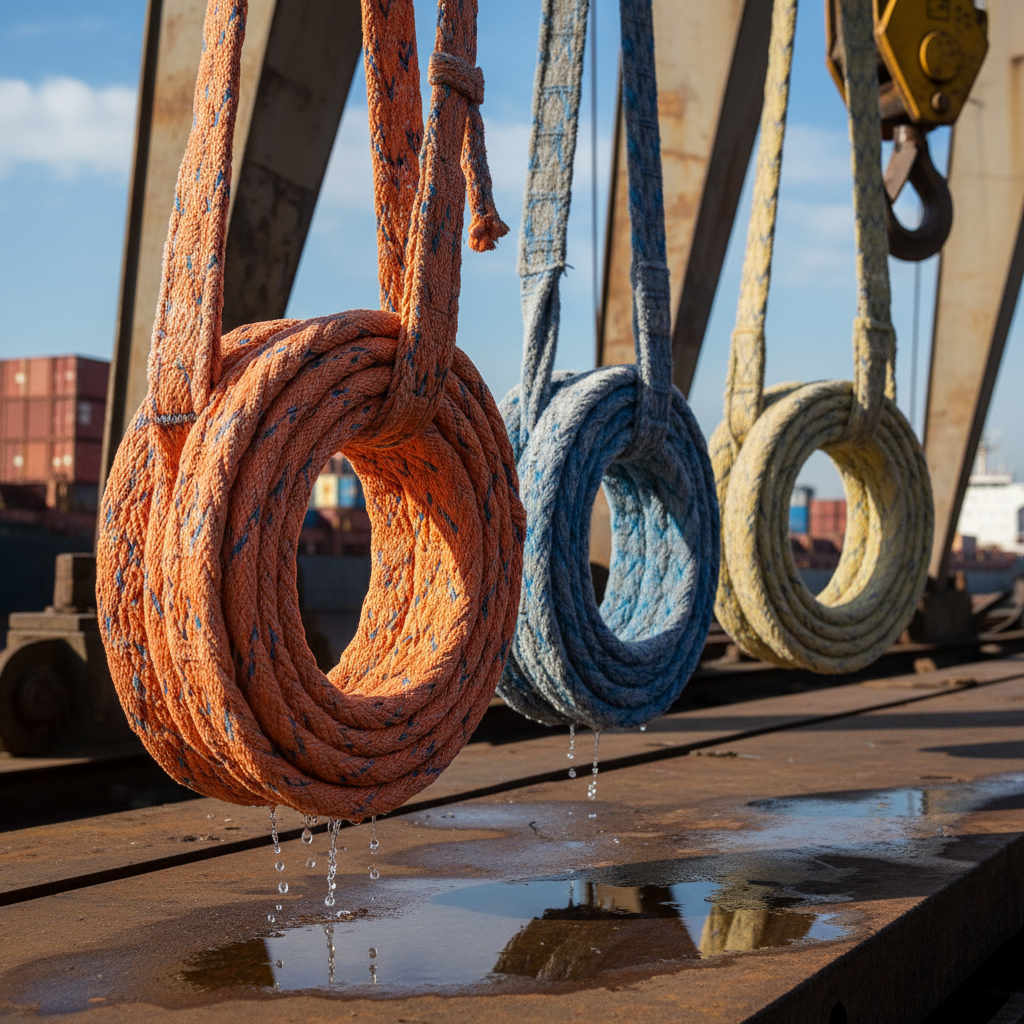
When it comes to heavy lifting tasks, synthetic slings provide unparalleled resistance to environmental factors, which significantly contributes to their longevity and durability. Unlike traditional steel slings, synthetic slings are made from materials such as nylon and polyester that can withstand harsh conditions, including moisture, UV radiation, and temperature variations. This resilience ensures that the slings can maintain their structural integrity even in challenging environments, reducing the likelihood of accidents or equipment failure.
Moreover, the inherent properties of synthetic slings make them less prone to wear and tear over time. Their lightweight nature allows for easier handling and less fatigue for operators, while their ability to stretch under load helps to absorb shock and distribute weight evenly. This not only improves safety but also extends the lifespan of the slings, making them a cost-effective choice for businesses engaged in heavy lifting. Overall, the durability of synthetic slings in the face of environmental challenges establishes them as a reliable option for numerous industrial applications.
Versatility of Synthetic Slings Across Various Industries
Synthetic slings have revolutionized lifting operations across various industries due to their versatility and performance. In construction and engineering, synthetic slings are preferred for their lightweight nature and ease of handling, allowing workers to transport heavy loads safely and efficiently. Their flexibility enables them to conform to different shapes, making them suitable for lifting irregularly shaped objects without risking damage to the load or the equipment.
In addition to construction, synthetic slings are widely used in manufacturing and shipping environments. They offer superior resistance to abrasion, UV rays, and chemicals, making them ideal for outdoor and harsh conditions. Industries such as textiles and automotive leverage synthetic slings for precise lifting, ensuring that delicate components are handled with care. The adaptability of synthetic slings allows for diverse applications, from rigging to cargo securing, proving they are an essential tool for achieving safer and more effective lifting solutions across multiple sectors.
Cost-Effectiveness: Saving Time and Resources in Lifting Operations
Synthetic slings have emerged as a game-changer in heavy lifting operations, particularly when it comes to cost-effectiveness. According to a report by the Occupational Safety and Health Administration (OSHA), using synthetic slings can reduce overall lifting operation costs by up to 30%. This significant savings comes from reduced wear and tear on equipment, less frequent sling replacements, and minimized downtime due to slings being lighter and easier to handle. Moreover, the increased compatibility of synthetic slings with various lifting equipment streamlines operations, making them a preferable choice for companies looking to optimize resources.
In addition to direct financial savings, synthetic slings contribute to operational efficiency. A study conducted by the Lifting Equipment Engineers Association (LEEA) found that synthetic slings can lead to a 15% increase in lifting speed due to their lightweight and flexible design. This improvement not only speeds up task completion but also enhances safety, as faster operations can mean less risk of accidents associated with prolonged lifting tasks. Thus, the combination of reduced costs and increased efficiency positions synthetic slings as an indispensable asset for any organization involved in heavy lifting.
Top 10 Benefits of Using Synthetic Slings for Heavy Lifting Tasks