Top Benefits of Webbing Sling for Global Buyers?
Webbing slings are gaining popularity among global buyers for their unique advantages. These lifting tools are made of durable materials, offering strength and flexibility. Users appreciate their lightweight nature, making them easy to handle and transport. However, some may overlook the importance of selecting the right webbing sling for specific tasks.
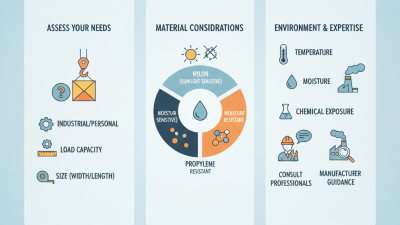
When considering a webbing sling, one must evaluate the load capacity and working environment. Improper use may lead to accidents. Trusting a reliable supplier is crucial for ensuring safety and compliance with standards. Global buyers need to be informed about various types of webbing slings available. Each type has its own benefits and drawbacks.
Understanding these elements can empower buyers to make informed decisions. Webbing slings can enhance productivity while ensuring safety. However, regular inspection and proper maintenance are essential. Ignoring these aspects might result in unexpected failures. The benefits of webbing slings are numerous, but users must remain vigilant.
Key Characteristics of Webbing Slings for Global Buyers
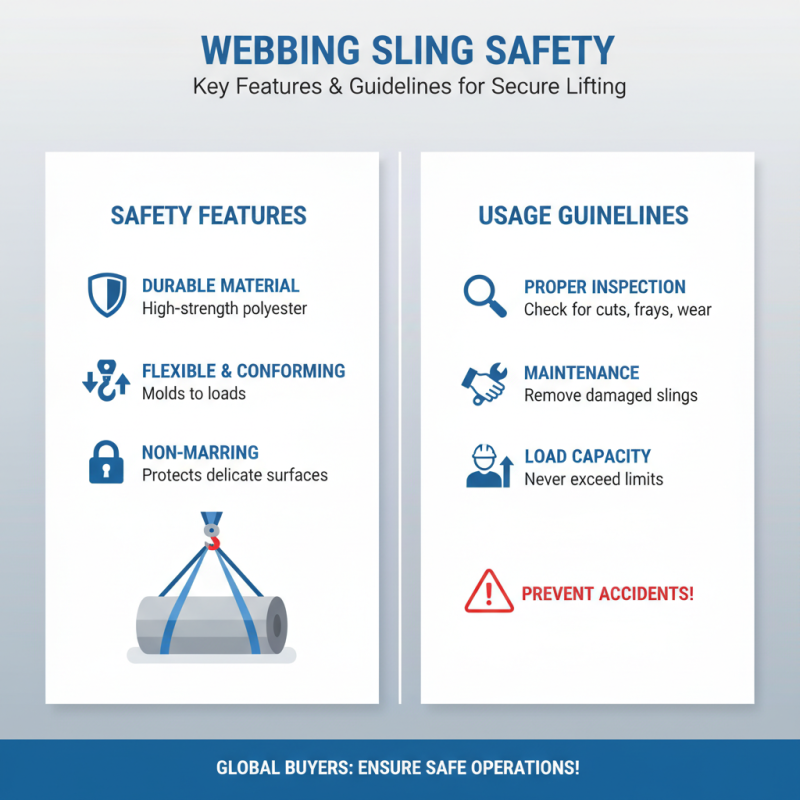
Webbing slings are essential tools for lifting and securing heavy loads. Their lightweight design makes them easy to handle, yet they provide high strength and durability. Made from synthetic fibers, these slings are resistant to moisture, mildew, and abrasion. This durability ensures they can be used in various environments, from construction sites to warehouses.
One of the key characteristics of webbing slings is their flexibility. They can wrap around objects of different shapes easily. This adaptability allows for effective load distribution, reducing the risk of damage to the items being lifted. The wide surface area prevents cutting into the load, which is a common problem with traditional lifting straps. Users must be cautious, as improper use can lead to accidents or equipment damage.
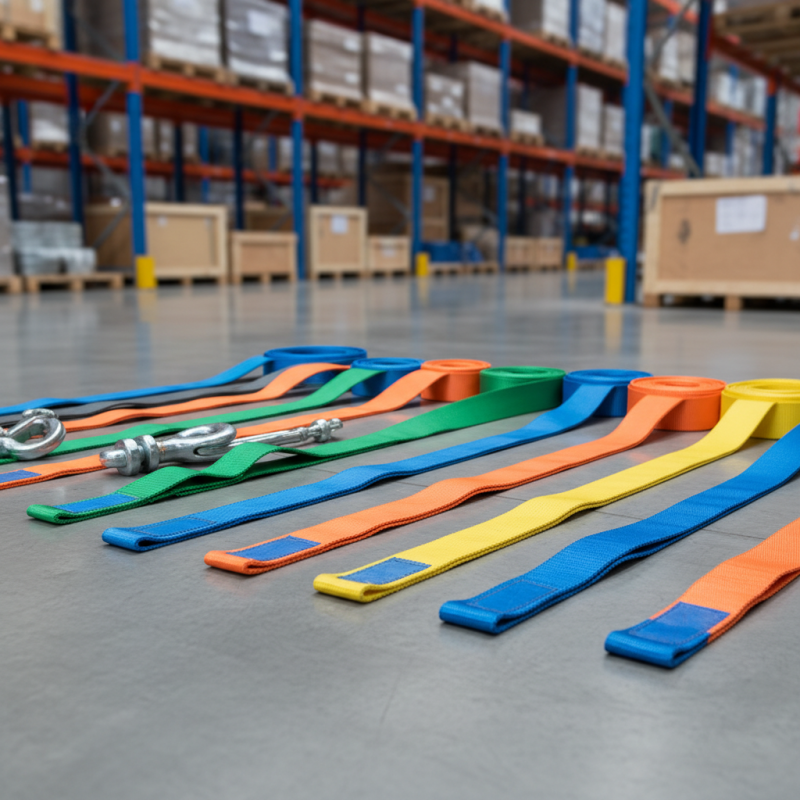
Color-coded designs are another feature worth mentioning. Different colors typically indicate load capacity, aiding users in selecting the right sling for specific tasks. This visual cue enhances safety and minimizes human error. However, buyers should be aware that colors can fade over time, potentially leading to misidentification. Regular inspections are crucial to ensure that slings retain their strength and integrity.
Durability and Strength: Why Webbing Slings Are Preferred
Webbing slings are gaining traction for their notable durability and strength in various applications. Reports show that these slings can withstand significant loads, typically ranging from 1 to 50 tons, depending on configuration and material. This strength arises from high-quality synthetic fibers, which offer exceptional resistance to wear and tear. Webbing slings have been tested to demonstrate a lifespan that outlasts traditional lifting equipment by up to 30%.
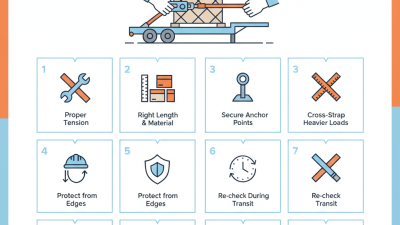
Another critical aspect is their lightweight nature. Weighing significantly less than chains or steel slings, they reduce handling risks and enhance efficiency. This ease of use translates directly into improved workplace safety. However, buyers should remain mindful of proper care and inspections. A minor oversight can lead to failure, regardless of a sling’s strength. Ensuring that slings are periodically inspected can mitigate risks in industrial settings.
Webbing slings are often favored in industries requiring versatile lifting solutions. Operators can easily customize lengths and widths, catering to specific needs. Interestingly, studies suggest that over 60% of companies using webbing slings reported enhanced performance in load handling. This is a clear indicator of their rising importance in global markets, but vigilance in maintenance is key for optimal performance.
Versatility of Webbing Slings in Various Industries
Webbing slings have gained traction across various industries due to their remarkable versatility. In construction, they are often used to lift heavy materials, like steel beams and concrete blocks. A report by Smith and Associates highlights a rise in the adoption of webbing slings, indicating a 30% increase in their use over the past five years in this sector alone. These slings, made from high-strength synthetic fibers, provide a lightweight alternative to traditional lifting gear.
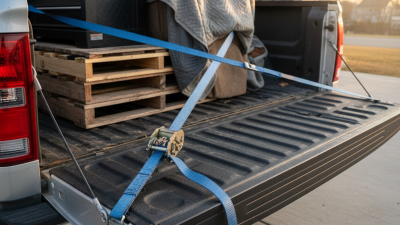
Additionally, webbing slings are invaluable in the transportation industry. Their flexibility allows them to secure loads of all shapes and sizes during transit. The American Transportation Research Institute reported that improper load securing is a leading cause of accidents, emphasizing the importance of reliable equipment. Webbing slings, with their soft surfaces, minimize the risk of damaging cargo, ensuring safe transport. However, the industry still faces challenges with wear and tear, underlining the need for regular inspections.
In the manufacturing sector, webbing slings are essential for repetitive lifting tasks. Their durability allows for extensive use, yet they require careful handling to avoid fraying. According to a study by Global Safety Solutions, nearly 20% of workplace injuries arise from improper lifting techniques. This statistic points to the necessity of proper training in using webbing slings effectively. Each industry’s reliance on these versatile tools raises questions about continued improvements in safety measures.
Cost-effectiveness of Webbing Slings for Global Trade
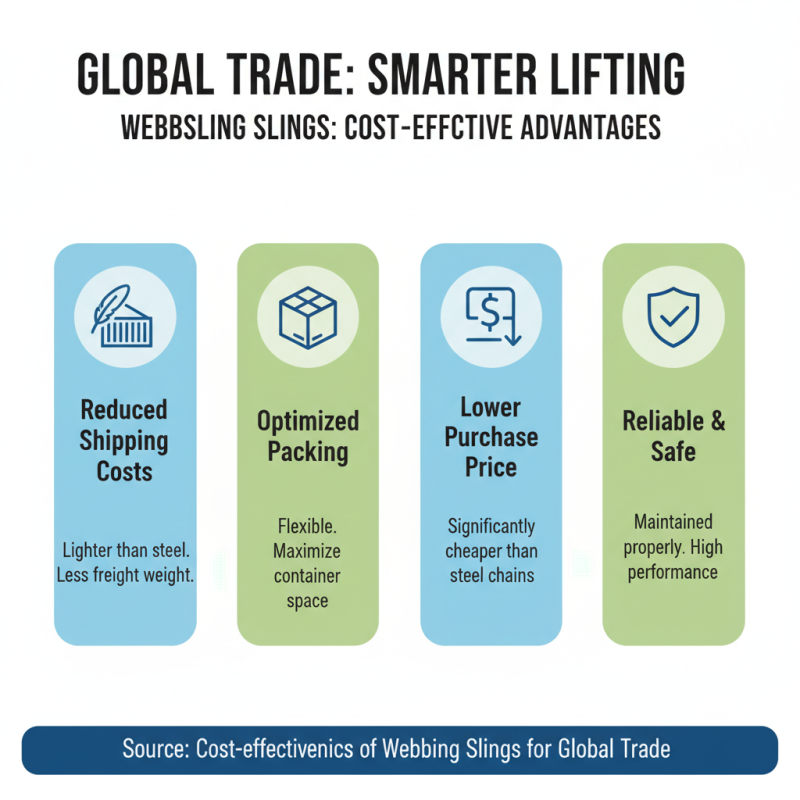
Webbing slings present an attractive option for global buyers due to their cost-effectiveness. These slings are often lighter than steel alternatives. This can lead to reduced shipping costs. Their flexibility also allows for efficient packing, maximizing the use of container space. A key aspect is the price point. Webbing slings are generally cheaper than steel chains. This lower cost does not compromise safety. Properly maintained, they can provide reliable performance at a fraction of the price.
Cost-effectiveness extends beyond the purchase price. Daily operation costs can be lower with webbing slings. They often require less maintenance compared to steel options. This translates to fewer repairs and replacements over time. However, buyers should consider weight capacities. Not all webbing slings are suitable for every application. Users must match the sling to the load type. A mismatch can lead to risks, making proper selection crucial.
Exploring the market reveals various choices. The diversity in types and capacities can be overwhelming. It is wise to consult experts or suppliers to ensure safety and effectiveness. Therefore, while webbing slings are cost-effective, careful consideration is vital. Do not overlook the importance of proper usage and ongoing assessment. An informed decision will lead to better outcomes in the long term.