Best Lifting Sling Types for Safe and Efficient Lifting?
Lifting slings are vital in various industries. They ensure safe and efficient lifting of heavy loads. According to John Smith, an expert in lifting equipment, “Choosing the right lifting sling makes all the difference in safety and efficiency.” This statement reflects a key principle in the lifting sling industry.
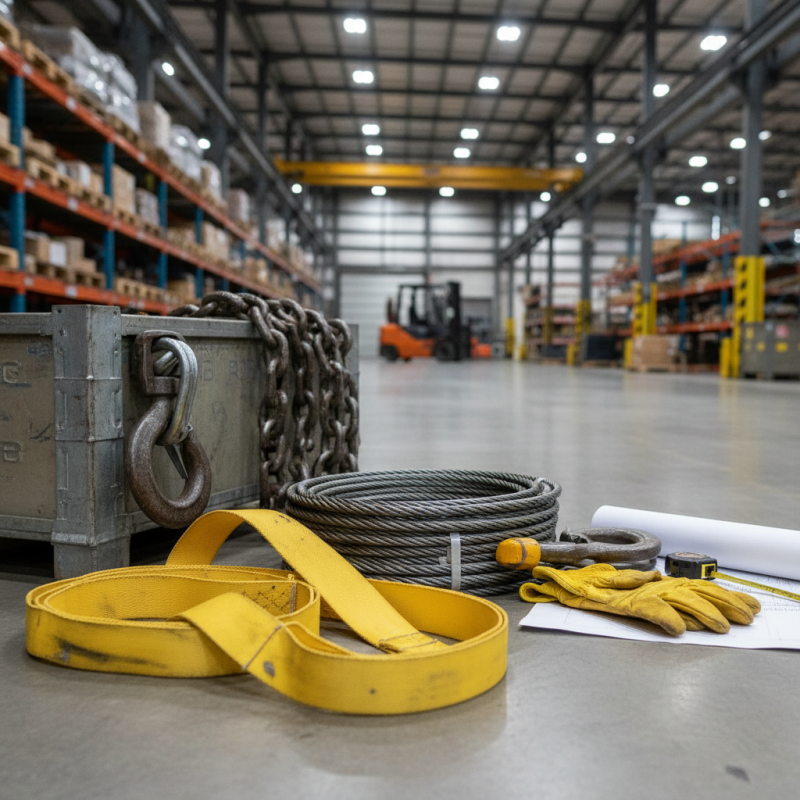
Different types of lifting slings are available, each designed for specific tasks. Nylon, wire rope, and chain slings all have unique advantages. However, selecting the wrong type can lead to accidents. This need for careful consideration is crucial.
Lifting slings require regular inspection and maintenance. Over time, wear and tear could compromise their integrity. Ignoring this can lead to mistakes that are easily preventable. Every lifting operation should prioritize safety. Employing the right lifting sling can help avoid costly errors.
Types of Lifting Slings: An Overview of Options Available
When considering lifting slings, it’s essential to know your options. There are several types of lifting slings available, each with distinct features. Synthetic slings are lightweight and easy to handle. They are resistant to moisture and chemicals, making them versatile. However, they can be less durable in extreme conditions.
Steel slings are another option. They offer strength and durability for heavy lifting. These slings are often used in construction. Yet, they can be heavy and require careful handling. Improper use can lead to accidents. Remember to inspect them regularly for wear and tear.
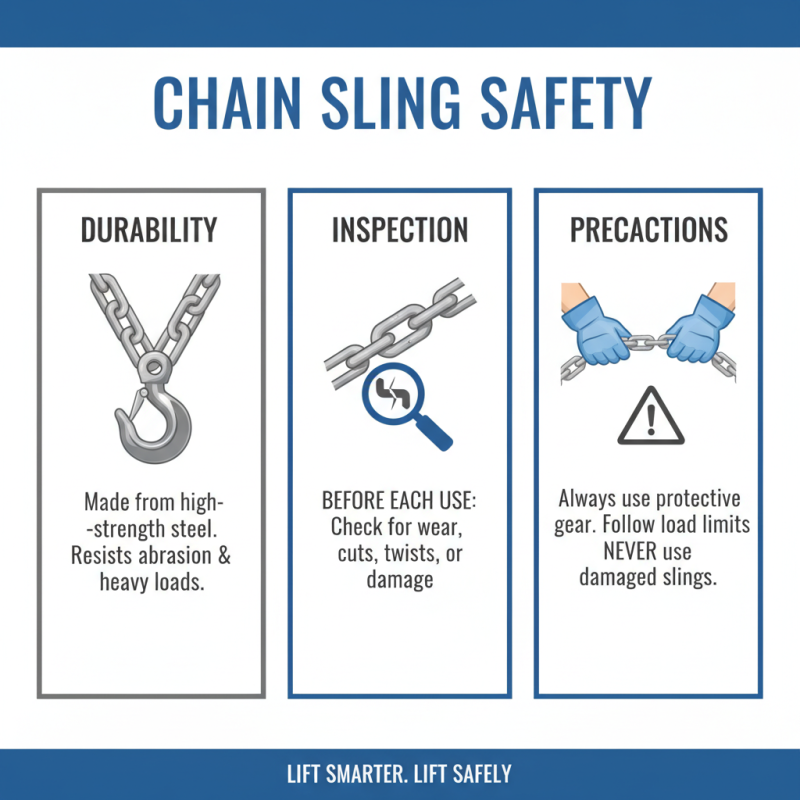
Chain slings are known for their robust design. They excel in challenging conditions and can lift heavy loads. On the downside, they can be noisy during operation. Workers might find them harder to use than other options. Choosing the right type depends on your specific needs and the lifting conditions. Each type has its pros and cons. Understanding these can help improve safety in lifting operations.
Nylon vs. Polyester Slings: Pros and Cons for Lifting
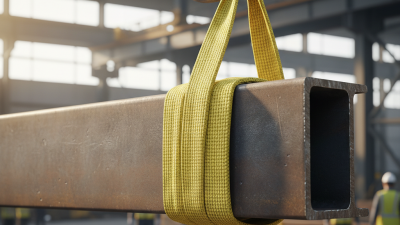
When selecting a lifting sling, the choice between nylon and polyester can be crucial. Nylon slings are often more flexible and provide excellent shock absorption. This makes them ideal for lifting heavy loads. However, nylon can be sensitive to UV rays and moisture, which may weaken them over time.
In contrast, polyester slings are more resistant to abrasion and environmental factors. They maintain their strength in wet conditions and are less prone to stretching. However, they might not absorb shock as well as nylon. Consider the specific lifting conditions when making your choice.
**Tips:** Check the working load limit for each sling. Ensure it fits your lift correctly. Regularly inspect slings for any signs of wear or damage. Don't overlook the importance of choosing the right type for your tasks. Use proper lifting techniques to maximize safety and efficiency.
Best Lifting Sling Types for Safe and Efficient Lifting
| Slings Type |
Material |
Weight Capacity |
Durability |
Cost |
Best Use |
| Nylon Sling |
Nylon |
Up to 10 tons |
High |
Moderate |
General lifting, load distribution |
| Polyester Sling |
Polyester |
Up to 8 tons |
Very High |
Low |
Heavy-duty lifting, outdoor use |
| Chain Sling |
Steel |
Up to 20 tons |
Very High |
High |
Heavy machinery, sharp edges |
| Synthetic Round Sling |
Nylon/Polyester |
Up to 15 tons |
High |
Moderate |
Flexible lifting, delicate loads |
Wire Rope Slings: Features and Best Use Cases
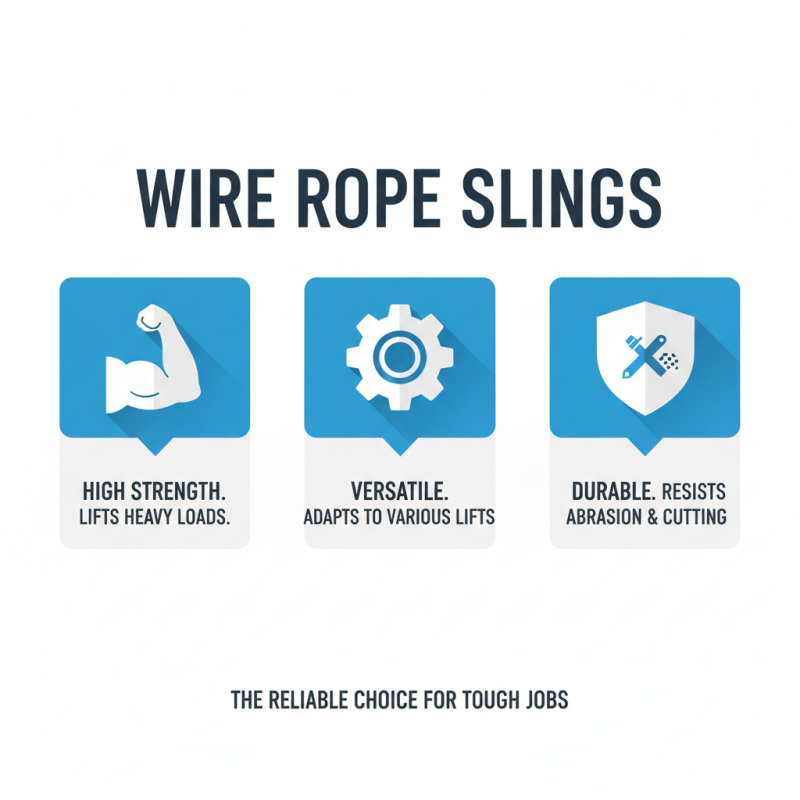
Wire rope slings are a popular choice in lifting operations due to their strength and versatility. Made from several strands of wire, they can handle heavy loads without breaking easily. The primary feature of wire rope slings is their resistance to abrasion and cutting. This makes them suitable for rugged environments where other slings might fail.
These slings excel in applications involving heavy machinery or construction materials. They provide exceptional durability in lifting tasks. However, users need to be cautious. While wire rope slings offer great strength, they can also kink or fray if not handled properly. Regular inspections are necessary. Dents and damage can reduce their effectiveness, leading to potentially dangerous situations.
Moreover, wire rope slings require specific handling techniques. Users must understand the proper rigging methods to prevent accidents. Lack of training can lead to misuse. This raises the risk of injury or equipment failure. So, while wire rope slings are an excellent option for heavy lifting, it's vital to prioritize safety. Awareness of their limitations ensures safer operations.
Choosing the Right Sling for Your Lifting Needs: Key Factors to Consider
When selecting the right lifting sling, several factors come into play. Understanding the load type is crucial. For example, flat slings excel with flexible loads, while round slings work best on round shapes. According to industry reports, slings can safely lift weights ranging from a few hundred to thousands of pounds. Choose based on your most frequent lifting tasks.
Material choice matters. Polyester, nylon, and chain slings each have unique benefits. Polyester is lightweight and resistant to UV rays. Meanwhile, chain slings offer durability for rough environments. However, be cautious. Chains can scratch surfaces and require careful handling. The chosen material should fit your specific application.
Tip: Regularly inspect slings for wear and tear. Damaged slings can lead to accidents. Tip: Always calculate the weight of your load accurately. Misestimating can result in equipment failure. Tip: When in doubt, consult safety guidelines. Safety should never be compromised.