Best Webbing Strap Suppliers in China for Global Buyers?
Webbing straps play a crucial role in various industries. They are used in transportation, outdoor activities, and packaging. Finding reliable suppliers in China can greatly benefit global buyers. Many companies offer quality webbing straps, but it's essential to choose wisely.
When sourcing webbing straps, consider the suppliers' experience and expertise. Some manufacturers specialize in specific types of straps, which can be a deciding factor. Additionally, the durability and safety of the straps are vital since they must withstand various conditions.
Navigating the supplier landscape can be challenging. Some companies may not meet international quality standards. It's important to do thorough research and request samples before making large purchases. Not every supplier will provide the best options, so assessing their reliability and reputation is crucial. Making informed choices will lead to successful outcomes in your projects.
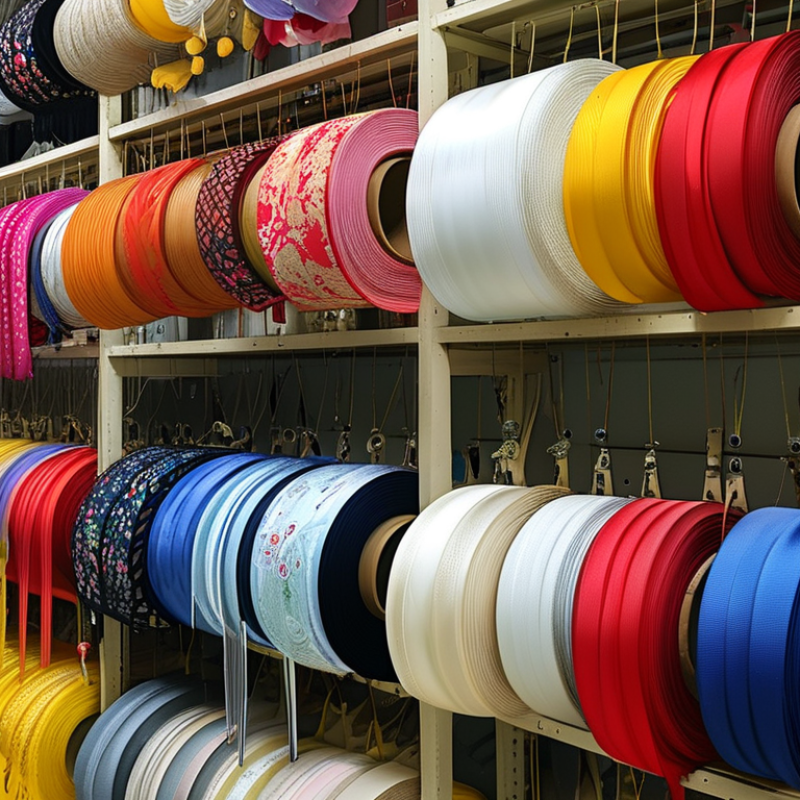
Overview of Webbing Strap Types and Their Applications
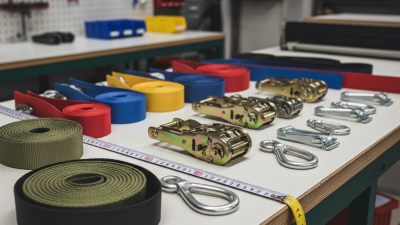
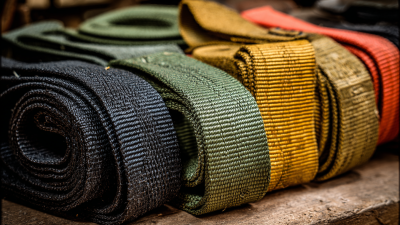
Webbing straps serve various purposes across numerous industries. They are commonly used in transportation, outdoor recreation, and even military applications. These straps come in different types, such as nylon, polyester, and polypropylene. Each material offers unique benefits. For instance, nylon is known for its high stretch and durability, while polyester is resistant to UV rays and has low stretch characteristics. Understanding the different types helps in making informed choices for specific applications.
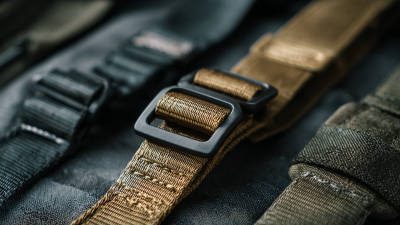
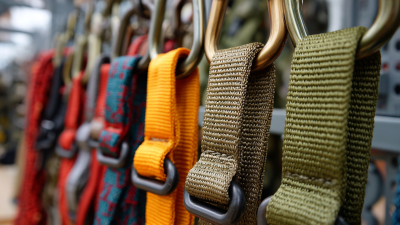
When selecting webbing straps, consider the intended use and load capacity. Different designs provide specific strength ratings. A reliable supplier will give detailed specs on their products. If you're using these straps for heavy loads, traction and durability are key. Inspect the stitching and buckles; they should be robust and reliable. Proper care extends the lifespan of your webbing straps.
Tips: Always check the manufacturer’s recommendations for weight limits. Overloading can lead to failures. Regularly inspect your webbing for wear and tear to avoid accidents. Be cautious of the environment where the straps are used. Exposure to chemicals or extreme temperatures may affect their integrity.
Key Factors to Consider When Choosing a Webbing Strap Supplier
When selecting a webbing strap supplier in China, several key factors come into play. Quality is paramount. Look for suppliers with certifications such as ISO 9001, which indicate adherence to international quality standards. A robust quality assurance process can minimize defects and ensure reliability in your supply chain. According to the China Textile Industry Association, the demand for high-quality webbing products has risen by 15% in recent years, highlighting the need for careful supplier selection.
Pricing is another critical aspect. Different suppliers may offer varied pricing structures. It's essential to conduct a market analysis to identify competitive pricing while ensuring product quality. Engaging in direct negotiations can also lead to better pricing terms. Supplier experience is vital as well. A company with years of experience in webbing production tends to have a better understanding of materials and manufacturing techniques.
Tip: Always request samples before placing a large order. This helps verify quality and material performance.
Another factor worth considering is the supplier's production capabilities. Evaluate whether they can scale production based on your needs. A supplier with advanced production technology is likely to meet tight deadlines and complex specifications. According to Statista, China's webbing strap manufacturing market is projected to grow by 8% annually, signaling a competitive landscape.
Tip: Regularly review supplier performance to ensure they meet evolving market demands. Continuous evaluation fosters a dependable supplier relationship.
Top Webbing Strap Manufacturers in China: A Comparative Analysis
When it comes to sourcing webbing straps from China, global buyers face a vast marketplace. The variety of materials used is extensive, ranging from nylon to polyester, each having unique properties. Buyers should consider the specific applications of the straps, as they can differ in strength, durability, and resistance to environmental factors.
Choosing the right supplier can be complex. Quality control is often inconsistent across manufacturers. Some may guarantee high tensile strength but deliver products that do not meet safety standards. Buyers should evaluate potential manufacturers thoroughly, focusing on certifications and past performance. Engaging with suppliers through factory visits or requesting sample products can provide valuable insights.
Many manufacturers offer competitive pricing, yet low cost can come at a price. A cheaper strap may save money upfront but fail under stress. This can lead to costly replacements or even safety issues. Researching suppliers' reputations in the industry can help mitigate risks. Buyers need to weigh costs against the reliability and quality of products to make informed decisions.
Best Webbing Strap Suppliers in China for Global Buyers
| Supplier Location |
Product Range |
Annual Production Capacity |
Export Markets |
Certifications |
| Shanghai |
Nylon, Polyester |
500,000 meters/month |
North America, Europe |
ISO 9001, CE |
| Guangzhou |
Cotton, Webbing Accessories |
300,000 meters/month |
Asia, Australia |
Oeko-Tex, BSCI |
| Shenzhen |
Polyester, Reflective |
700,000 meters/month |
South America, Africa |
ISO 14001 |
| Hangzhou |
Heavy-Duty, Custom Designs |
200,000 meters/month |
Europe, North America |
CE, RoHS |
Quality Assurance and Standards for Webbing Straps in China
The quality assurance for webbing straps in China is crucial for global buyers. Many manufacturers follow ISO 9001 standards, ensuring their products meet international quality benchmarks. A recent industry report indicated that over 75% of Chinese suppliers regularly conduct tests for tensile strength and durability. These tests are essential to guarantee the safety of webbing straps used in various applications, from outdoor gear to industrial solutions.
Certification plays a vital role in the buyer's trust. Many suppliers obtain certifications from recognized bodies, such as SGS and TUV. This adherence to regulations not only builds reliability but also enhances the credibility of manufacturers in the global market. However, buyers should conduct due diligence, as not every supplier is transparent about their processes. Concerns have been raised about some manufacturers overlooking crucial safety tests, leading to questions about product integrity.
Packaging and labeling of webbing straps also impact their quality perception. Manufacturers are now focusing on eco-friendly materials, in response to global sustainability trends. Nevertheless, the inconsistency in material sourcing among suppliers can lead to variability in product quality. Understanding these nuances benefits buyers and shapes their purchasing decisions.
Tips for Global Buyers: Navigating Import Regulations and Logistics
When sourcing webbing straps from China, understanding import regulations is crucial. Global buyers often face challenges with customs procedures, which can significantly delay shipments. An estimated 30% of shipments fail initial customs inspections due to incorrect documentation. Clear communication with suppliers on required paperwork is essential.
Logistics is another critical aspect. Shipping methods vary widely, impacting delivery times and costs. Recent studies show that air freight is faster but 3-4 times more expensive than sea freight. Many buyers overlook the impact of delivery timelines on their operations. The choice of logistics provider can affect these factors. It's necessary to evaluate carriers for reliability and cost-effectiveness.
Additionally, quality control is paramount. A survey indicated that 25% of imported goods do not meet specific quality standards. Buyers should consider implementing strict quality checks before shipping. This may include pre-shipment inspections and standardized testing. Building a solid relationship with suppliers can facilitate quality assurance and smoother transactions. Overall, careful navigation of imports and logistics helps in achieving successful procurement.