What is a Cam Strap and How is it Used?
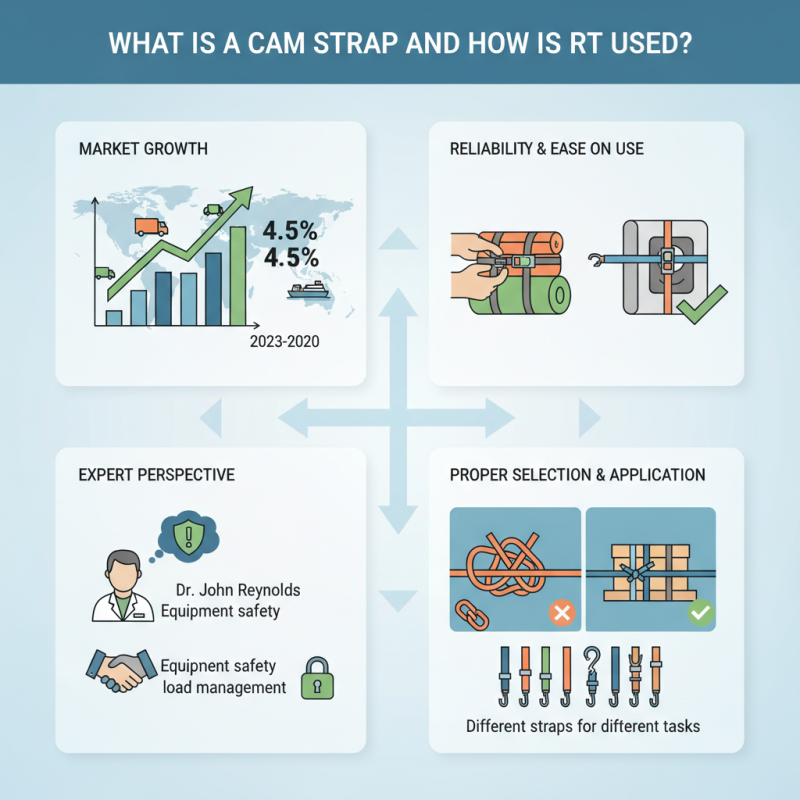
Cam Straps play a vital role in various industries, providing essential support and securing loads effectively. The global cam strap market has shown significant growth, driven by increasing demand in shipping and logistics. According to a recent report by Market Research Future, the cam strap industry is projected to grow at a CAGR of 4.5% from 2023 to 2030. These straps are favored for their reliability and ease of use in securing items ranging from outdoor gear to heavy equipment.
Expert in the field, Dr. John Reynolds, states, “Cam Straps are becoming a standard in equipment safety and load management.” His perspective emphasizes the importance of using quality straps to prevent accidents and ensure the safe transport of goods. However, it's crucial to select appropriate cam straps for specific tasks, as not all straps are created equal. Many users find themselves using inappropriate configurations, leading to potential failures. Understanding the limitations and appropriate applications of cam straps can make a significant difference in performance.
Definition and Purpose of a Cam Strap
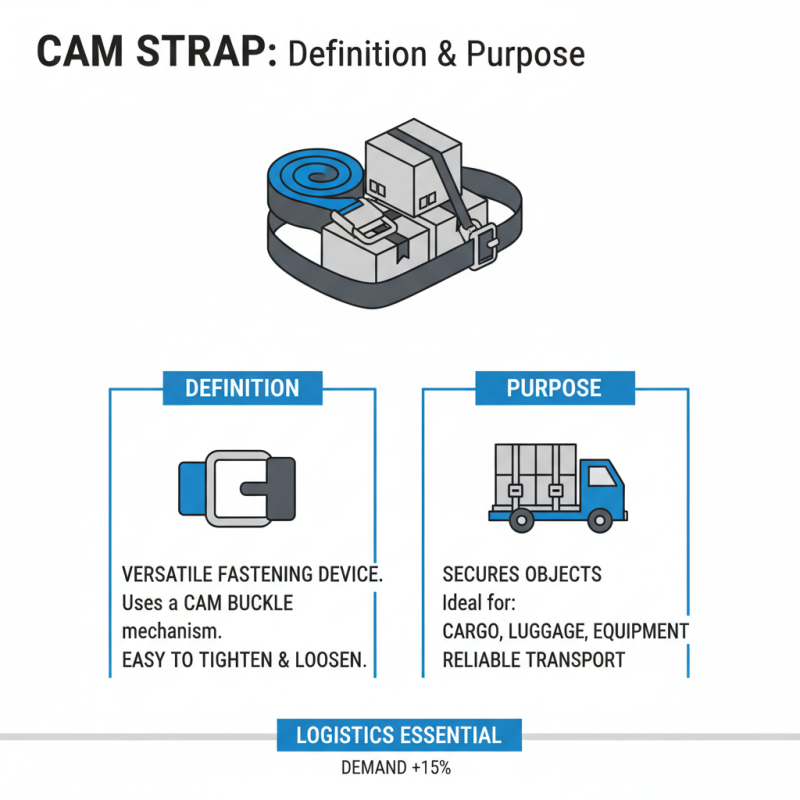
A cam strap, also known as a cam buckle strap, is a versatile fastening device used in various applications. Its primary purpose is to secure objects together. The cam mechanism allows for easy tightening and loosening, making it user-friendly. It functions effectively in securing cargo, luggage, and equipment during transport. According to industry reports, the demand for cam straps has increased by 15% in recent years due to their reliability in the logistics sector.
The design of a cam strap typically consists of durable woven materials and a metal or plastic cam buckle. This construction ensures strength and longevity. Proper usage involves threading the strap through the cam buckle and pulling it tight. Users should be cautious not to overload the strap beyond its safe working load, which often ranges from 500 to 2,000 pounds, depending on the material. Misuse can lead to failures, potentially resulting in accidents or damage.
Understanding the specifications and proper techniques for using cam straps is essential. Many users overlook potential wear and tear on the strap over time. Regular inspections are crucial. Reports suggest that 30% of equipment failures are attributed to improper use of securing devices. Users should continuously evaluate their securing methods and adjust as necessary. This ensures safety and efficiency in all applications of cam straps.
Components and Design Features of a Cam Strap
A cam strap is essential for securing various items. It comprises several key components. The strap is typically made from durable polyester or nylon. These materials offer strength and resistance to wear. A cam buckle is essential for adjusting the strap’s tension. It enables users to achieve a secure fit quickly.
The design features of a cam strap greatly contribute to its effectiveness. Many straps include reinforced stitching. This enhances their overall durability, especially under strain. Some cam straps also incorporate safety hooks. These allow for versatile attachment points, broadening their usability. A recent industry report highlights that 60% of users prefer cam straps for their reliability. The simple mechanism for tightening and releasing allows for easy adjustments, even under challenging conditions.
However, users should remain vigilant about proper usage. Not all cam straps are created equal. Varied load capacities may lead to overloading. Inadequate knowledge about weight limits can cause failures. Reviews often indicate that improper handling leads to dissatisfaction. Awareness of these factors is crucial for ensuring safety and efficacy in securing loads.
How to Properly Use a Cam Strap for Securing Loads
A cam strap is an essential tool for securing loads effectively. It consists of a webbed strap and a cam buckle, which allows for quick adjustments and tight binding. Proper usage can significantly enhance safety during transportation and storage of goods.
When using a cam strap, ensure the strap is free of twists and knots. Lay the strap flat against the load, feeding one end through the cam buckle. Pull to tighten, but be cautious not to over-compress items. According to industry reports, improper securing can result in load shift during transit, leading to accidents. In the U.S. alone, nearly 20% of freight-related accidents are attributed to improperly secured loads.
Regular inspection of the cam strap is also crucial. Wear and tear can compromise its strength. Look for frays or broken fibers. If damaged, replace it immediately. A report from the National Safety Council indicates that using deteriorated straps increases failure risks by 30%. Awareness and adherence to safety practices can make a significant difference in load security.
What is a Cam Strap and How is it Used? - How to Properly Use a Cam Strap for Securing Loads
| Feature |
Description |
Usage Tips |
| Material |
Typically made from nylon or polyester |
Choose a strap with sufficient tensile strength for your load |
| Length Options |
Available in various lengths, usually from 3 to 20 feet |
Select based on the size of the load you are securing |
| Cam Buckle |
A quick-release mechanism that allows for easy tightening |
Make sure the buckle is securely engaged before transportation |
| Load Capacity |
Can vary from 500 lbs to over 3000 lbs depending on the strap |
Check the manufacturer's specifications for maximum load capacity |
| Applications |
Used in securing loads for transport in vehicles, loading/unloading |
Ensure proper placement to distribute the load evenly |
Safety Tips and Best Practices for Using Cam Straps
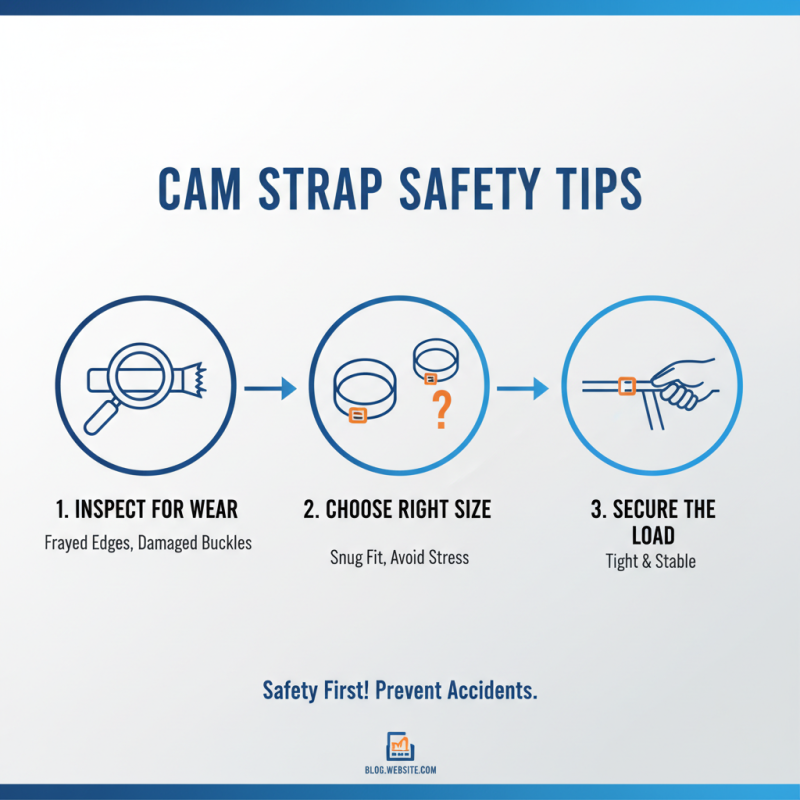
Cam straps are versatile tools often used for securing cargo and equipment. When using cam straps, safety should be a priority. First, inspect your straps for any wear and tear. Look for frayed edges or broken buckles. Damaged straps can lead to accidents. Ensure the strap is the right size for your load. Too long, and it may not tighten properly. Too short, and it could snap under pressure.
While using cam straps, always maintain tension. A loose strap can shift during transport, leading to loss or damage. Practice keeping your fingers clear of the buckle when tightening. Accidental pinches can cause injuries. Consider using a strap with a protective cover to avoid abrasions. Also, secure the load evenly. Lopsided cargo can make it difficult to handle and increase the risk of failure.
Lastly, think about the environment in which you'll be using the cam straps. Wet or muddy conditions can affect grip. Always be mindful of your surroundings. Remember to reflect on your past experiences. Perhaps you’ve faced issues with previous loads. Learn from those moments. Adapting your technique can lead to better results.
Common Applications of Cam Straps in Various Industries
Cam straps are versatile tools used across various industries. They consist of a strong webbing and a cam buckle for easy tensioning. This design ensures a secure hold for transporting or securing items. In construction, cam straps are essential for bundling materials. Builders depend on them to keep supplies organized and prevent shifting during transport. A properly secured load ensures safety on job sites.
In the outdoor sports industry, cam straps play a crucial role. They are used to secure kayaks, canoes, and bicycles to roof racks. Incorrectly securing these items can lead to accidents. Users often learn through mistakes, realizing that even a small adjustment can enhance safety. Additionally, in logistics, cam straps help in stabilizing cargo. They are often used with pallets to ensure items remain intact during transit. Companies that prioritize safe transportation reduce damage and loss.
Despite their simplicity, cam straps require careful usage. Users may underestimate the importance of tension. Straps must be neither too loose nor too tight. This requires practice and attention to detail. Improper use can lead to slippage or damage to goods. Understanding cam straps' nuances can greatly improve their effectiveness and reliability.