China Best Polyester Webbing for Global Buyers Needs?
In recent years, the demand for high-quality polyester webbing has surged globally. This versatile material finds applications in various industries, from outdoor gear to automotive. Its strength, durability, and resistance to wear make it an ideal choice for consumers seeking reliable products.
China, a leader in manufacturing polyester webbing, offers numerous options for global buyers. The vast range of textures, colors, and widths can meet the diverse needs of industries and consumers alike. However, navigating this market can be challenging. Buyers must consider factors such as quality assurance and supplier reliability.
While many suppliers boast superior products, not all live up to their claims. It is crucial for buyers to conduct thorough research. Understanding the differences in production techniques can also make a significant impact. Buyers should reflect on their choices and seek out trustworthy partners in China’s polyester webbing market.
The Importance of Polyester Webbing in Global Markets
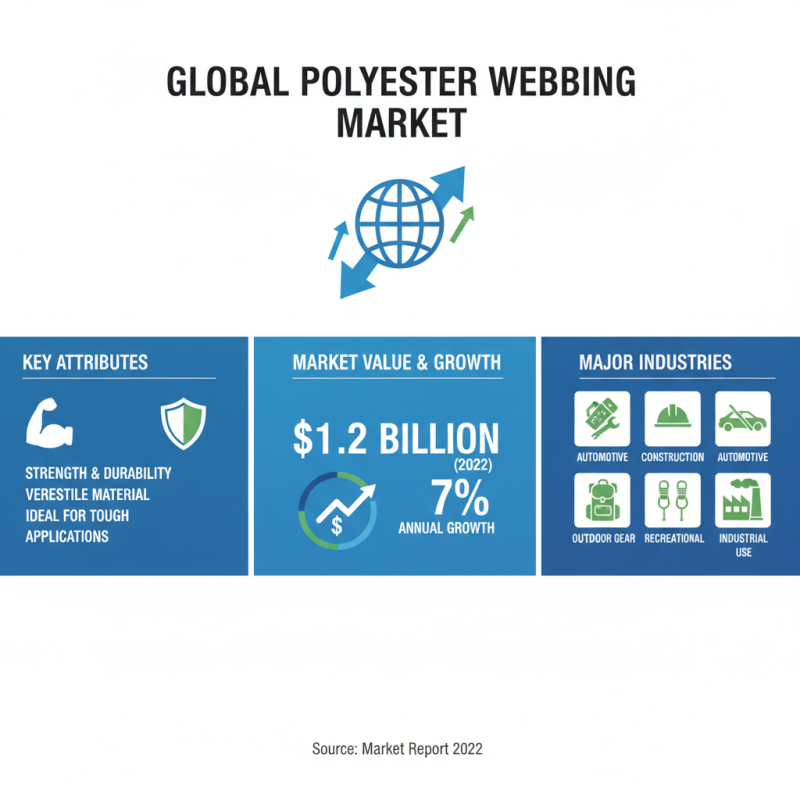
Polyester webbing plays a crucial role in various industries on a global scale. Its strength and durability make it an ideal material for applications ranging from outdoor gear to industrial scenarios. According to a recent market report, the global polyester webbing market reached a value of $1.2 billion in 2022, reflecting a growth rate of 7% annually. This growth underscores the increasing demand for reliable materials in sectors such as automotive, construction, and recreational activities.
The versatility of polyester webbing is noteworthy. It can withstand heavy loads and resist environmental factors, making it suitable for both indoor and outdoor use. For instance, a study from the International Textile Manufacturers Federation highlighted that 60% of polyester webbing products are used in safety harnesses and climbing gear. These applications demonstrate the material's importance in ensuring safety and reliability. However, there are concerns about quality control and consistency in manufacturing processes. Not every producer meets the high standards required for safety-critical applications, which can lead to doubts among buyers.
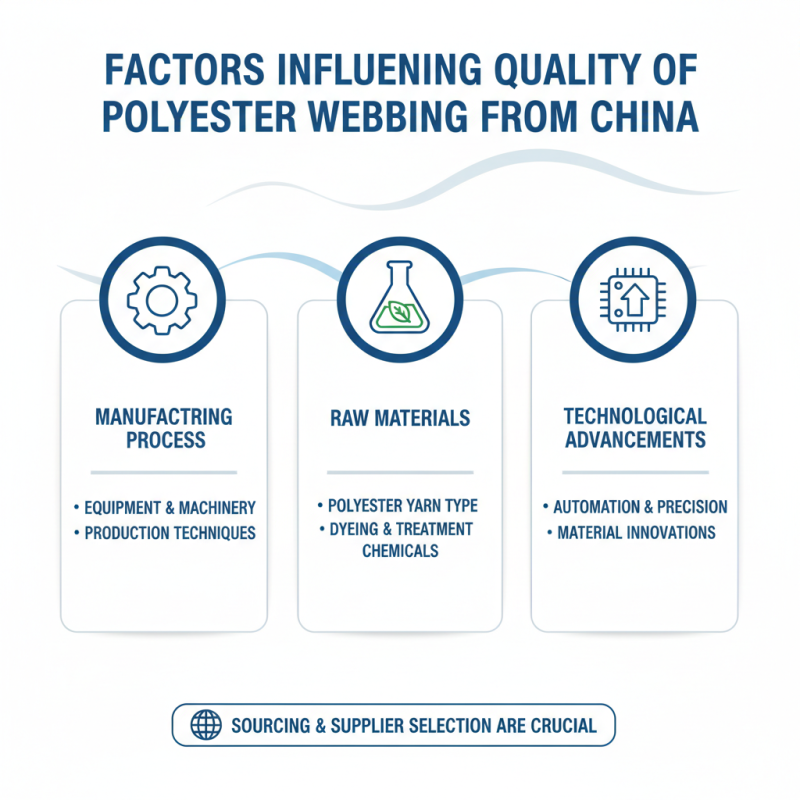
Different suppliers around the globe often face challenges in meeting international standards. The lack of uniformity may lead to varying performance levels. Buyers should consider the source and production methods when selecting polyester webbing. Engaging with manufacturers who adhere to strict quality certifications can help mitigate risks. Awareness of these factors is essential for making informed decisions in today's competitive market.
Key Characteristics of High-Quality Polyester Webbing
When considering the global demand for high-quality polyester webbing, several key characteristics stand out. The tensile strength of polyester webbing is paramount. Reports indicate that it can withstand loads up to 7000 pounds, making it ideal for a variety of applications. This strength often allows it to be used in heavy-duty industries, further enhancing its desirability among buyers.
Another important characteristic is resistance to environmental factors. High-quality polyester webbing is UV resistant. This ensures that it does not degrade quickly under sunlight exposure. Studies suggest that webbing exposed to sunlight can lose up to 50% of its breaking strength within the first year if untreated. Furthermore, moisture resistance is critical. Polyester does not absorb water, which means it retains its strength even in wet conditions. This property is essential for outdoor applications.
Lastly, colorfastness is an often-overlooked aspect. Quality webbing maintains vibrant colors despite repeated washing or sunlight exposure. However, not all manufacturers achieve this level of durability. Some products may fade quickly, which poses a concern for buyers. Prospective users should closely evaluate the specifications to ensure they are investing in reliable and long-lasting webbing.
Key Characteristics of High-Quality Polyester Webbing
Major Applications of Polyester Webbing in Various Industries
Polyester webbing has become a crucial component in various industries due to its durability and versatility. This material is commonly used in the manufacturing of safety harnesses. Its strength allows for secure support in fall protection systems. Similarly, polyester webbing is essential in the outdoor gear industry. Items like tents and backpacks benefit from its resistance to mold and UV light.
Another significant application is in transportation. Many cargo straps utilize polyester webbing for secure load management. The webbing's ability to withstand harsh weather conditions makes it ideal for this purpose. However, some users may overlook the importance of selecting the right width and thickness. This can lead to potential failures during transport.
In the marine industry, polyester webbing is frequently used for rigging and sail ties. Its resistance to saltwater and the sun enhances its utility in maritime settings. Nonetheless, the importance of regular inspections is often neglected. Failing to check for wear and tear can result in accidents at sea. Reflecting on these aspects encourages better practices and enhances safety measures across all applications of polyester webbing.
Choosing the Right Supplier for Polyester Webbing in Global Trade
When selecting a supplier for polyester webbing, consider their expertise. Knowledgeable suppliers understand material properties and applications. They can provide advice tailored to your needs. Quality control is another essential factor. A reputable supplier should have clear processes to ensure consistency.
Investigate the supplier's certifications and manufacturing practices. This transparency builds trust. Look for samples before placing a large order. Testing these samples allows you to assess quality firsthand. Communication is crucial as well. A reliable supplier should be responsive and willing to address your concerns.
Global trade has its challenges. Shipping costs and lead times can impact your supply chain. Ensure your chosen partner can navigate these complexities. Effective logistics management can prevent delays. Reflect on previous experiences with suppliers. Learn from past mistakes to make better decisions this time. Careful selection and ongoing evaluation are vital.