How to Choose the Best Fabric Sling for Your Needs?
Choosing the right fabric sling can be challenging. With so many options available, it’s essential to make an informed choice. "Fabric slings offer support, comfort, and versatility," says John Smith, an expert in the fabric industry. His insight highlights the importance of understanding your specific needs.
When selecting a fabric sling, consider factors like material, weight capacity, and intended use. Different fabrics provide varying levels of breathability and durability. For instance, cotton slings are soft and comfortable but may not be as strong as nylon variants. Keeping user safety and comfort in mind is crucial.
It's easy to overlook personal preferences in functionality. Reflecting on past choices may lead to better decisions this time. Fabric slings can greatly enhance your experience, so take the time to choose wisely. Each option brings unique features, and assessing these can be the key to finding the perfect fit for you.
Understanding the Different Types of Fabric Slings Available
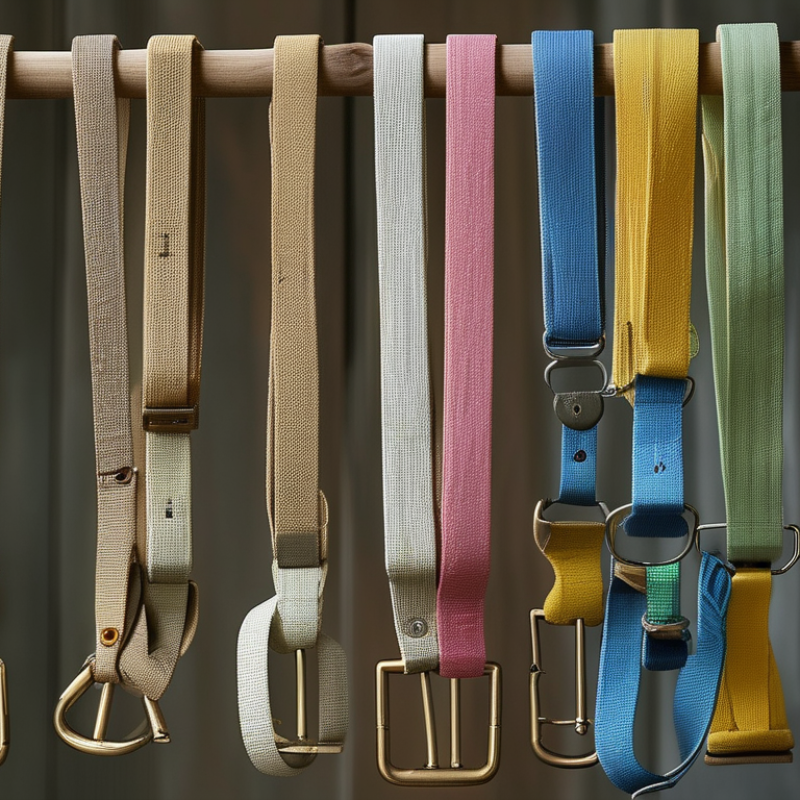
When choosing a fabric sling, understanding the types available is crucial. Fabric slings can vary greatly in material and design. Common types include cotton, nylon, and blended fabrics. Cotton is soft and breathable, making it great for everyday use. Nylon, on the other hand, is durable and resistant to wear, ideal for heavier loads. Blended fabric combines the best of both worlds, offering comfort along with resilience.
Another consideration is the sling's structure. Some slings are designed with extra padding for comfort, while others prioritize lightweight features for easy carrying. The weight distribution can significantly impact your experience. A poorly designed sling may lead to discomfort or strain on your back. Evaluate your needs carefully. Practical details like adjustability and ease of cleaning are also important. You want a sling that fits your lifestyle and is easy to maintain.
Take your time to explore options. Knowing the specifics will help you select a sling that truly meets your requirements. Each type has strengths and weaknesses. Reflect on how you plan to use the sling. It’s about finding the right balance between comfort and functionality for your unique needs.
Assessing Your Specific Needs and Activities for Sling Selection
Choosing the right fabric sling requires careful consideration of your specific needs and activities. It’s essential to assess how you intend to use the sling. According to a recent market report, over 70% of sling users prioritize comfort and support in their selection process. This is vital for activities like hiking, where terrain varies significantly, and prolonged use can lead to discomfort.
Different fabrics serve various purposes. For instance, lightweight fabrics are beneficial for hot weather. They allow breathability, which is essential for avoiding overheating during strenuous activities. On the other hand, heavier, more durable materials provide better support for carrying heavier loads. Additionally, research indicates that slings with padded shoulder straps can reduce pressure on your body by up to 30%.
Consider your lifestyle and activities. If you frequently participate in outdoor sports or travel, choose a sling that is robust yet flexible. Fabric quality should not be overlooked. Some fabrics can wear out quickly, leading to a need for replacement sooner than expected. Testing different slings can reveal which ones feel better for your specific needs. This hands-on approach allows you to identify potential issues before making a commitment.
Evaluating Fabric Quality: Durability, Breathability, and Care
When selecting a fabric sling, evaluating fabric quality is crucial. Durability matters significantly. Fabrics like cotton and polyester exhibit varying strength levels. A 2021 study by the Textile Research Journal reported that polyester blends can endure over 25,000 rubs in Martindale tests, indicating high durability. Cotton, while comfortable, typically has lower abrasion resistance. Choosing a sling with durable fabric means investing in a longer lifespan.
Breathability is another essential factor. Breathable fabrics allow air circulation, crucial for comfort during extended use. Research from the Journal of Textile Science indicates that breathable materials can reduce moisture buildup by up to 30%. Fabrics like linen and specialized blends often excel in this regard. However, some slings may prioritize fashion over function, leading to less breathable options.
Care requirements should not be overlooked. Fabrics that are easy to clean save time and effort. Machine-washable materials often fare better in daily use. Yet, certain blends might require special treatments, posing a challenge for maintenance. Understanding these various factors can lead to a more informed decision. Each element plays a role in the overall experience of using a fabric sling.
Checking Sling Safety Features and Weight Capacity
When selecting a fabric sling, safety features and weight capacity are paramount. According to recent industry reports, nearly 25% of sling-related injuries stem from inadequate support. It's vital to choose a sling that supports your specific weight requirements. Many experts recommend a minimum safety factor of 5:1, meaning the maximum load should not exceed one-fifth of the sling's rated capacity.
Inspect the stitching and material strength. Flaws in fabric can compromise safety. Some reports indicate that slings with reinforced seams show 30% less wear and tear. Consider the environment where the sling will be used. Exposure to UV light can degrade materials over time. Regularly check for visible signs of wear. Small frays can lead to significant failures.
Remember, weight capacity is not just about numbers. It’s about real-life applications. A sling rated for 500 pounds may not be adequate for dynamic loads. Reducing the comfort of the load could increase risk. Always think critically about the specific tasks you will perform. Does the design suit your particular needs? Taking the time to evaluate these factors can prevent accidents and enhance performance.
Tips for Proper Usage and Maintenance of Fabric Slings
Choosing the right fabric sling involves understanding proper usage and maintenance. Fabric slings can support a range of loads, which can be defined by their material and design. According to industry studies, nearly 70% of sling-related accidents stem from improper usage. Ensure you’re trained in the correct operating procedures to minimize risks.
Regular maintenance is crucial. Inspect the fabric for signs of wear or fraying. A worn sling can reduce load capacity by 50% or more, making routine checks essential. Wash fabric slings according to the manufacturer's guidance. Avoid harsh chemicals which can degrade the fibers. Even storage plays a vital role; slings should be kept in a cool, dry place.
It's important to remember that slings are not fool-proof. Misjudging the weight capacity could lead to failures. Documentation of usage and condition can enhance reliability. Investing time in proper maintenance not only extends the sling's lifespan but also ensures safety and efficiency in operations.
Fabric Sling Usage and Maintenance Tips