Why Choose Polyester Webbing for Your Outdoor and Industrial Needs
In the world of outdoor and industrial applications, the choice of materials can greatly influence both performance and safety. Polyester webbing has emerged as a top choice for a variety of uses due to its outstanding strength and durability. As noted by industry expert Dr. Emily Harrison, a leading authority in textile applications, "Polyester webbing combines resilience with versatility, making it ideal for everything from camping gear to industrial straps."
This robust material withstands harsh environmental conditions, resists moisture, and offers high abrasion resistance, making it suitable for both outdoor enthusiasts and industrial professionals. The inherent properties of polyester webbing not only enhance its durability but also ensure a reliable and secure application in numerous contexts, be it securing loads, crafting gear, or creating safety harnesses.
As the demand for high-performance materials grows, understanding why polyester webbing is favored in both outdoor and industrial arenas is essential. Its lightweight yet strong characteristics empower users to undertake demanding tasks without compromising on safety or reliability. With its increasing prevalence across various applications, polyester webbing stands out as a fundamental component in modern textile solutions.
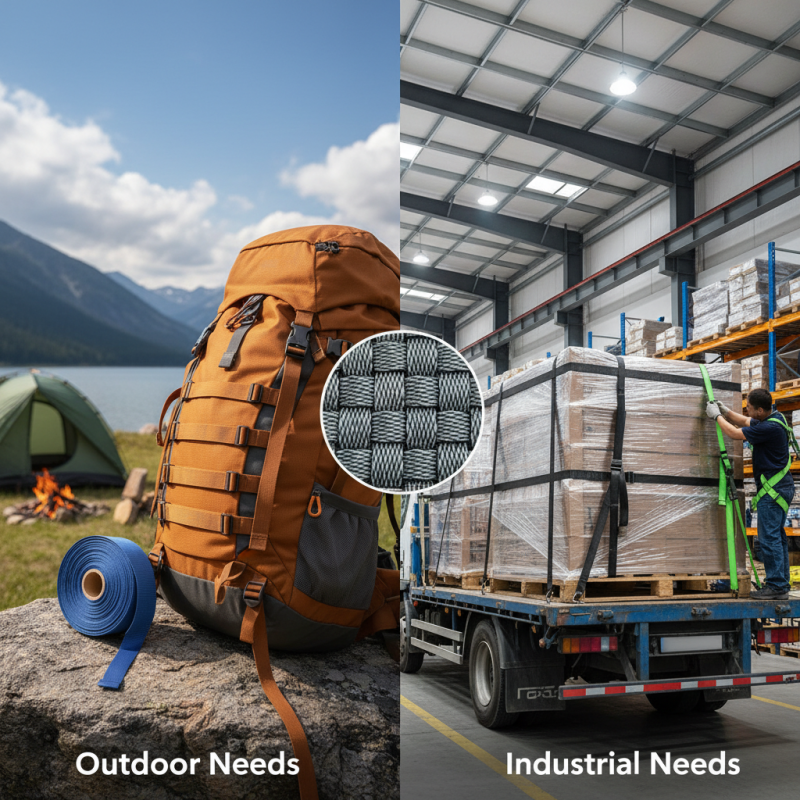
Why Polyester Webbing is Essential for Outdoor Activities and Industrial Use
Polyester webbing is a versatile material that is indispensable for both outdoor activities and industrial applications. Its high tensile strength makes it ideal for use in situations where durability and reliability are paramount. Whether it’s for securing cargo, creating safety harnesses, or building durable outdoor gear, polyester webbing provides the resilience needed to withstand harsh conditions. Its resistance to UV rays and moisture further enhances its longevity, making it a preferred choice for outdoor enthusiasts who require gear that can endure extreme weather and wear.
In addition to its performance characteristics, polyester webbing is lightweight and easy to handle, which is crucial in industrial environments where efficiency is key. It can be easily cut and sewn, allowing for customization to meet specific needs. This adaptability makes it widely used in various applications, from climbing and boating to manufacturing and transportation. The combination of strength, versatility, and the ability to perform in diverse conditions makes polyester webbing an essential material that meets the demands of both leisure and industrial sectors effectively.
Key Properties of Polyester Webbing: Strength, Durability, and Versatility
Polyester webbing is a vital material known for its impressive strength, making it an ideal choice for a variety of outdoor and industrial applications. The high tensile strength of polyester fibers allows this webbing to withstand heavy loads without breaking or stretching significantly. This characteristic is crucial for industries that require reliable equipment for securing cargo, lifting materials, or creating safety harnesses. With its ability to bear weight effectively, polyester webbing enhances the safety and efficiency of various operations, ensuring that both workers and equipment remain secure.
Durability is another key property of polyester webbing. It is resistant to abrasion, UV rays, and moisture, which means it can withstand harsh environmental conditions without degrading. This durability extends the lifespan of the webbing, making it a cost-effective solution for outdoor settings, including hiking, boating, and industrial transportation.
Additionally, the versatility of polyester webbing allows it to be easily manufactured in various widths, colors, and patterns, catering to specific needs and preferences. Whether for recreational use or demanding industrial tasks, polyester webbing stands out as a robust and adaptable choice.
Comparison of Polyester Webbing to Alternatives: Cost-Effectiveness and Performance
When evaluating materials for outdoor and industrial applications, polyester webbing stands out for its unique balance of cost-effectiveness and performance. According to recent industry reports, polyester webbing boasts a tensile strength that often exceeds 6,500 pounds per inch, making it a reliable choice for heavy-duty applications. This durability translates into longevity, which becomes crucial for industries that rely on consistent performance over extended periods.
In comparison to alternatives like nylon or polypropylene, polyester webbing retains its strength better when exposed to UV rays and moisture, leading to decreased replacement costs and downtime.
Moreover, the economic advantages of polyester webbing are significant. A report from the Technical Textiles Association indicates that the average cost per linear foot of polyester webbing is around 10-20% lower than competing materials, particularly nylon. This affordability, coupled with its superior resistance to abrasion and environmental degradation, positions polyester as an optimal choice for both outdoor gear and industrial uses. Companies leveraging polyester webbing for their products not only save on material costs but also enhance product reliability, thus improving overall operational efficiency.
Industry Applications of Polyester Webbing: From Climbing Gear to Cargo Straps
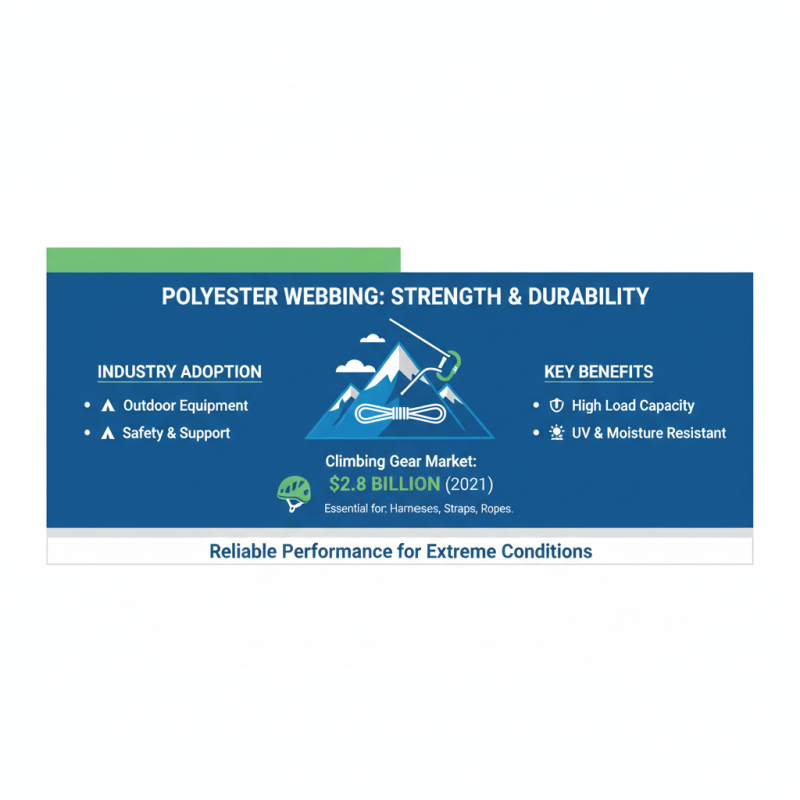
Polyester webbing has gained significant traction across various industries due to its remarkable strength and durability. The outdoor equipment sector particularly benefits from this robust material, as polyester webbing is essential for climbing gear, harnesses, and safety straps. For instance, the climbing gear market alone was valued at approximately $2.8 billion in 2021, with polyester webbing comprising a considerable segment due to its ability to withstand high loads while providing resistance to UV rays and moisture. This inherent durability ensures that climbers can rely on their gear in the most demanding conditions, making polyester a preferred choice for professionals and enthusiasts alike.
In addition to climbing gear, polyester webbing serves crucial roles in the transportation and logistics sectors, specifically in cargo straps and securing loads. Reports indicate that the global cargo securing market is projected to reach $6.5 billion by 2025, driven by the need for reliable and efficient load management solutions. Polyester webbing is favored in cargo straps because it combines high tensile strength with minimal stretch, ensuring that transported goods remain stable and secure throughout transit. Its ability to resist abrasions and environmental degradation further solidifies polyester webbing’s position in various industrial applications, where safety and reliability are paramount.
Environmental Considerations: Recyclability and Sustainability of Polyester Webbing
Polyester webbing is increasingly favored in outdoor and industrial applications, not only for its strength and durability but also for its environmental benefits. As sustainable practices become crucial in various industries, the recyclability of polyester webbing plays a significant role. Made from synthetic fibers, polyester can be reclaimed and reused, ensuring that products at the end of their life cycle don't contribute to landfill waste. This property highlights polyester webbing as a responsible choice for those looking to minimize their environmental impact.
When selecting polyester webbing for projects, consider its versatile nature. Tips for maximizing its usage include ensuring proper care to extend its lifespan, and opting for webbing made from recycled materials. These options support a sustainable approach while maintaining the high performance needed for demanding outdoor and industrial activities. Furthermore, you can educate teams on best practices for disposal and recycling of polyester webbing, making a proactive effort towards sustainability.
Investing in polyester webbing not only meets practical requirements but also aligns with eco-friendly initiatives. By selecting products that are recyclable, businesses can play an active part in reducing their carbon footprint. This step is essential in promoting a culture of sustainability within the community and the workplace, demonstrating that efficiency and environmental responsibility can go hand in hand.