Why Choose Ratchet Straps for Secure Load Tie Downs?
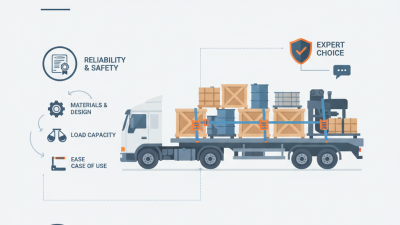
In the world of cargo transport, securing loads is critical. Ratchet straps have emerged as a preferred choice for many professionals in the industry. A recent report by the Freight Management Association indicated that over 80% of cargo-related incidents are due to improper load securement. This statistic underscores the importance of choosing the right tools for safe transportation.
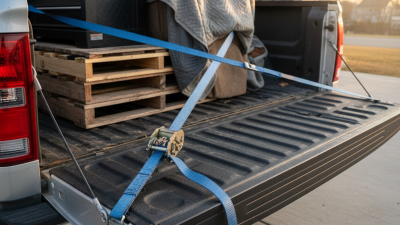
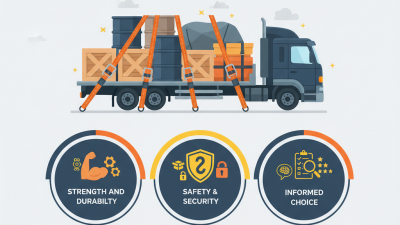
Ratchet straps provide an exceptional level of security. They can handle significant tension and offer better reliability than traditional tie-down methods. According to industry studies, these straps can prevent damage to both cargo and vehicles. The ease of use contributes to their popularity, yet mishandling can lead to accidents. It's crucial to ensure that they are properly tightened and attached.
Despite their advantages, some users may underestimate the importance of regular inspection. A survey revealed that nearly 30% of respondents had never checked their ratchet straps for wear. This oversight can lead to serious safety issues. Thus, awareness and education about ratchet strap usage are essential in promoting safer practices in cargo transport.
Understanding Ratchet Straps: Definition and Basic Components
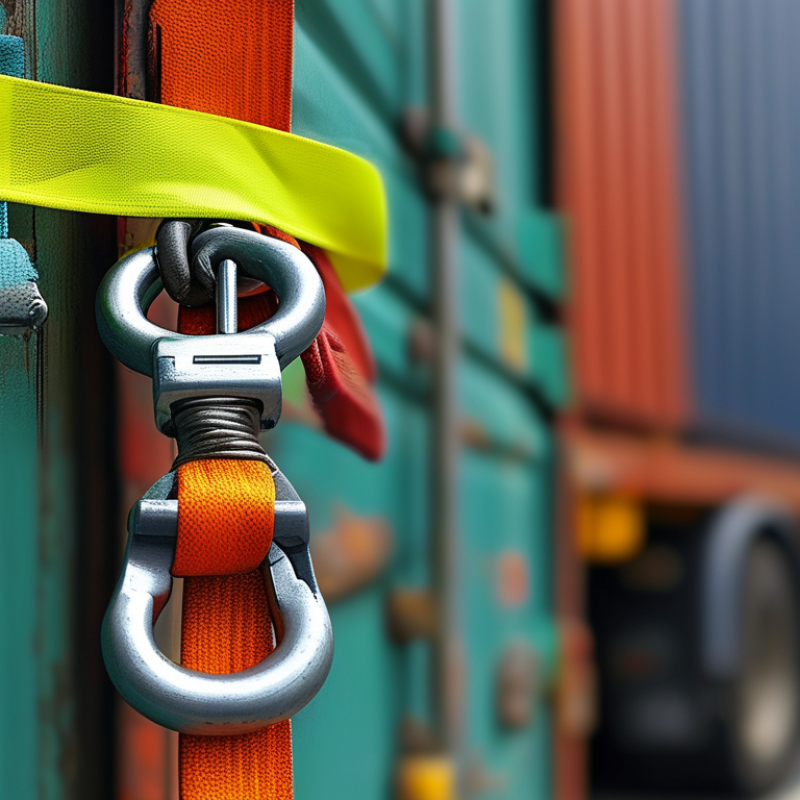
Ratchet straps are essential tools for secure load tie-downs. Understanding their definition and components is crucial for effective use. A ratchet strap consists of a long webbing, a ratchet mechanism, and hooks. The webbing is made from durable materials, designed to withstand tension. The ratchet mechanism enables tight securing of the load, which reduces the risk of slippage during transport. Hooks attach the strap to anchor points, ensuring stability.
When using ratchet straps, it's important to check the condition of each component. Inspect the webbing for frays or cuts. A damaged strap can compromise safety. The ratchet mechanism should move smoothly. If it feels stuck, it may need lubrication or replacement. Secure the hooks properly to avoid accidental release during transport.
Tips: Always use the appropriate strap length for your load. Too long or too short can lead to ineffective securing. Avoid exceeding the weight limit to prevent strap failure. Finally, knowledge about correct installation is key. Misalignment can lead to dangerous situations on the road.
Benefits of Using Ratchet Straps Over Other Tie Down Methods
When it comes to securing loads, ratchet straps offer numerous advantages over traditional tie down methods. Their design allows for greater tension and control, which is crucial for preventing load shifts during transport. Unlike rope or bungee cords, ratchet straps can achieve a much tighter hold. This is especially important for heavy items, where even a slight movement can lead to accidents.
Moreover, ratchet straps are resilient and versatile. They can handle varied weight capacities, making them suitable for both light and heavy loads. The durable material often withstands weather changes and wear, ensuring long-term reliability. In contrast, other methods may wear out or slip over time, leading to potential safety hazards.
It’s important to note that while ratchet straps have many benefits, improper use can lead to failures. For example, over-tightening can damage the load or the strap itself. Users should also familiarize themselves with their specific load limits and maintenance practices. Awareness of these factors contributes to effective and safe securing of loads, a common challenge for many individuals and businesses alike.
How to Properly Use Ratchet Straps for Load Securing
Using ratchet straps effectively is essential for secure load securing. Start by choosing the right type of strap. Consider the weight and size of your load. A strap that is too weak may fail, leading to unsafe conditions. Ensure the working load limit of the strap matches or exceeds your needs.
Next, inspect the straps before each use. Look for fraying or damage. A worn strap may break under tension. When securing a load, position the strap correctly. Loop it around the load and fasten it securely. Ratcheting down should be firm but not overly tight. An overly tight strap may damage the cargo.
Proper storage of ratchet straps can prolong their life. Store them in a dry place, away from direct sunlight. Avoid letting them sit in damp conditions. Regular maintenance can prevent issues. This attention to detail ensures reliable and safe use of ratchet straps during transport.
Why Choose Ratchet Straps for Secure Load Tie Downs? - How to Properly Use Ratchet Straps for Load Securing
| Dimension |
Weight Capacity |
Length |
Material |
Usage Tips |
| 1 inch |
1,000 lbs |
10 feet |
Polyester |
Ensure even distribution of load. |
| 2 inch |
3,300 lbs |
20 feet |
Polyester |
Inspect straps for wear before use. |
| 3 inch |
5,000 lbs |
30 feet |
Polyester |
Avoid over-tightening to prevent damage. |
| 1.5 inch |
2,200 lbs |
15 feet |
Polyester |
Use protective pads for sharp edges. |
Tips for Maintaining and Inspecting Ratchet Straps
When using ratchet straps, regular maintenance and inspection are essential. These straps must remain in top condition to ensure safety during transport. Start by visually checking for any signs of wear or damage. Look for frayed edges, cuts, or broken components. A small cut can quickly lead to failure under load. Taking this seriously can prevent potential accidents.
Cleaning your ratchet straps is also crucial. Dirt and debris can weaken the material over time. Use mild soap and warm water for cleaning. After washing, allow them to dry completely. Avoid exposing the straps to moisture for extended periods. This will prevent mold growth and degradation of the fibers.
Make inspections a routine task. There should be guidelines on how often to check them based on usage. Every few months may be ideal if you use them frequently. Consider keeping a checklist to track inspections. This may not seem necessary, but it can save time and avoid dangerous situations in the long run. Neglecting these steps can lead to unforeseen issues, so developing a proactive approach is vital.
Why Choose Ratchet Straps for Secure Load Tie Downs?
This chart illustrates the importance ratings of various factors when choosing ratchet straps for secure load tie downs. Each factor is rated on a scale from 1 to 10, providing insight into the features that matter most in ensuring safety and effectiveness during transportation.
Common Applications of Ratchet Straps in Various Industries
Ratchet straps are widely used across various industries due to their secure load management.
In the transportation sector, they play a crucial role in securing cargo during transit. Trucks and trailers often utilize these straps for hauling heavy loads, reducing the risk of shifting or damage.
Workers rely on the tension of ratchet straps for peace of mind while driving.
Construction sites also benefit from ratchet straps. They are essential for securing materials and equipment.
Large machinery and supplies must remain stable, especially in windy or high-traffic areas.
Workers frequently reassess strap tension to ensure safety. This consideration can prevent accidents that could result from loose loads.
In the moving industry, ratchet straps assist in securing fragile items.
They provide necessary support for furniture and appliances.
However, there can be a learning curve in using them correctly. Misusing straps may lead to damaged belongings.
Regular training on proper techniques is recommended to avoid mishaps.
These details highlight their importance, but user experience varies. Overall, awareness and practice ensure effective use.