Why Choose Polyester Slings for Your Heavy Lifting Needs?
In the realm of heavy lifting, the choice of equipment can significantly impact both safety and efficiency.
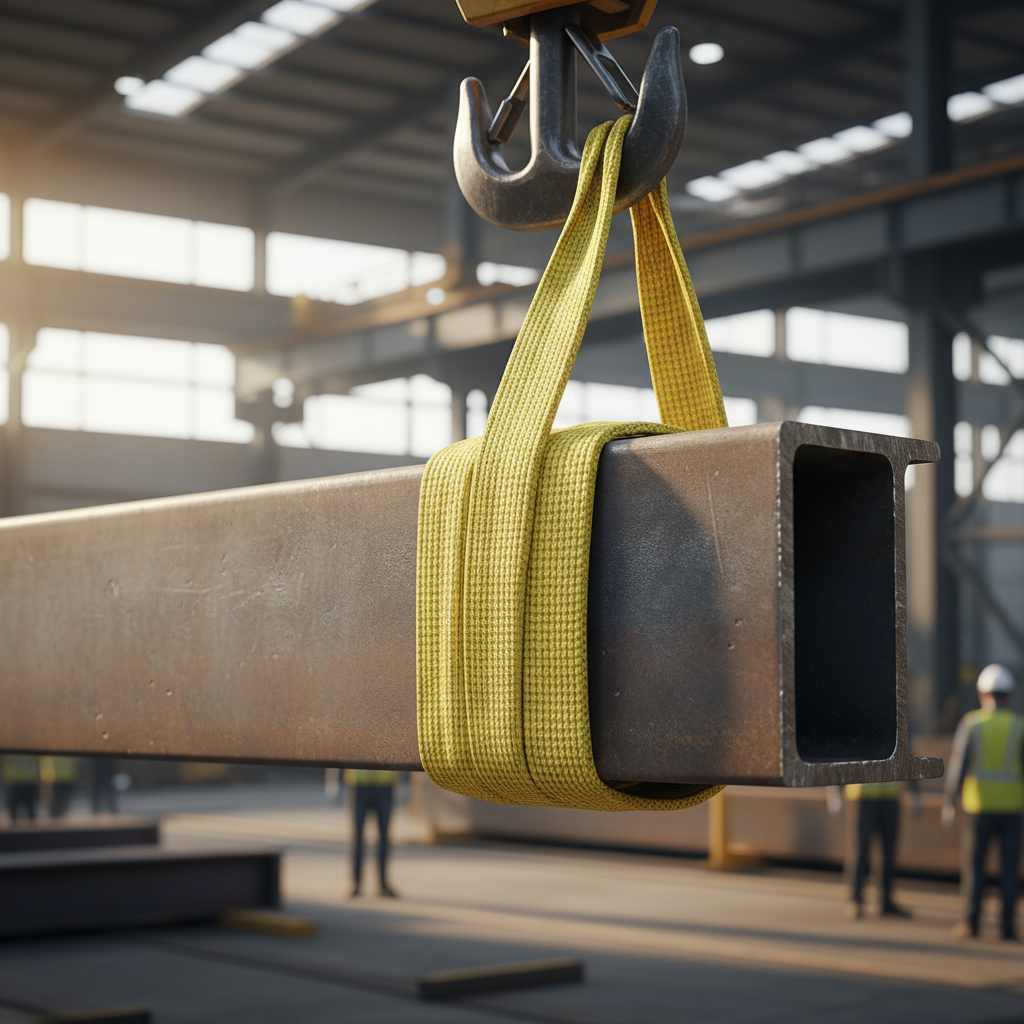 Polyester slings have emerged as a popular choice among industry professionals for their remarkable strength, versatility, and durability. As noted by industry expert John Smith, a leading authority in lifting equipment,
“Polyester slings provide a unique blend of flexibility and high tensile strength, making them an ideal solution for various heavy lifting tasks.”
This statement underscores the advantages of polyester slings in ensuring reliable performance under demanding conditions.
Polyester slings have emerged as a popular choice among industry professionals for their remarkable strength, versatility, and durability. As noted by industry expert John Smith, a leading authority in lifting equipment,
“Polyester slings provide a unique blend of flexibility and high tensile strength, making them an ideal solution for various heavy lifting tasks.”
This statement underscores the advantages of polyester slings in ensuring reliable performance under demanding conditions.
With the increasing need for safe and effective lifting solutions, understanding the benefits of polyester slings becomes critical.
These slings are designed to distribute loads evenly and reduce the risk of damage to the materials being lifted.
Additionally, their lightweight construction facilitates easier handling and reduces the strain on operators.
As businesses prioritize safety and efficiency in their operations, selecting polyester slings for heavy lifting needs proves to be a prudent choice that enhances productivity while safeguarding personnel and equipment alike.
Benefits of Polyester Slings for Heavy Lifting Applications
Polyester slings have emerged as a preferred choice for heavy lifting applications due to their unique combination of strength, flexibility, and lightweight properties. One of the primary benefits of using polyester slings is their resistance to abrasion and UV degradation, making them ideal for both onshore and offshore environments. This durability ensures that they can withstand the rigors of heavy lifting tasks without compromising safety or performance.
Moreover, the recent introduction of 100% recyclable polyester slings highlights the evolving landscape of lifting solutions designed with environmental sustainability in mind. These innovative slings not only maintain the high safety and performance standards required in heavy lifting but also address the growing demand for eco-friendly products in various industries, including renewable energy sectors. The adoption of such recyclable materials shows a commitment to minimizing environmental impact while providing reliable heavy lifting solutions.
Key Factors to Consider When Selecting Polyester Slings
When selecting polyester slings for your heavy lifting needs, several key factors should be considered to ensure safety and efficiency. Polyester slings are known for their lightweight nature and high strength-to-weight ratio. According to the Occupational Safety and Health Administration (OSHA), properly rated slings can safely lift loads up to six times their working load limit (WLL), making them an excellent choice for various applications. Additionally, their resistance to ultraviolet light and chemicals enhances their longevity, which is crucial in maintaining operational efficiency.
Tips for selecting the right polyester sling include considering the environment in which the sling will be used. If exposure to chemicals or extreme temperatures is expected, look for slings that offer superior resistance. Also, ensure that the sling's WLL matches or exceeds the expected load to prevent accidents. Regular inspections for wear and tear will help ensure ongoing safety and reliability in usage.
Another factor to keep in mind is the type of lifting application. Different configurations, such as endless or eye-and-eye slings, may be more suitable depending on the lifting method employed. According to industry standards, using the correct type not only improves safety but can also optimize lifting performance, leading to increased productivity on the job site.
Why Choose Polyester Slings for Your Heavy Lifting Needs? - Key Factors to Consider When Selecting Polyester Slings
| Factor |
Description |
Advantages |
| Weight Capacity |
Polyester slings can typically lift weights ranging from 1 ton to over 100 tons, depending on the thickness and weave. |
High versatility for various lifting tasks. |
| Abrasion Resistance |
Polyester fibers are resistant to abrasion, making slings durable against rough surfaces. |
Longer lifespan and cost-effective for repeated use. |
| UV Resistance |
Polyester is less susceptible to damage from UV rays compared to other materials like nylon. |
Ideal for outdoor use and extended exposure to sunlight. |
| Weight-to-Strength Ratio |
Polyester slings are lightweight but provide substantial load-bearing capacity. |
Easier handling and reduced labor fatigue. |
| Flexibility |
Polyester slings can easily conform to various shapes and sizes, ensuring a secure grip on diverse loads. |
Improved safety during lifting operations. |
| Chemical Resistance |
Polyester is neutral to many chemicals, making it suitable for diverse industrial applications. |
Versatile for use in various working environments. |
Comparative Analysis: Polyester Slings vs. Other Lifting Materials
When it comes to heavy lifting, choosing the right sling is crucial for safety and efficiency.
Polyester slings have gained popularity due to their unique properties that set them apart from other materials such as nylon, chain, and wire rope.
Polyester offers a strong yet lightweight option, allowing for easier handling and reduced fatigue among workers.
Additionally, polyester slings are resistant to moisture, UV rays, and various chemicals, making them suitable for a wide range of environments where durability is essential.
In contrast, nylon slings are known for their elasticity and ability to absorb shock loads, which can be beneficial in certain lifting scenarios.
However, this elasticity can also lead to elongation under heavy loads, potentially compromising safety.
Chain slings, while incredibly strong, are heavier, can be more cumbersome to handle, and pose a greater risk of damage to load surfaces.
Wire rope slings are robust and resistant to abrasion but typically lack the flexibility needed for certain applications.
In summary, while each lifting material has its advantages, polyester slings offer a balanced combination of strength, weight, and versatility that makes them an excellent choice for heavy lifting needs.
Maintenance Tips for Prolonging the Life of Polyester Slings
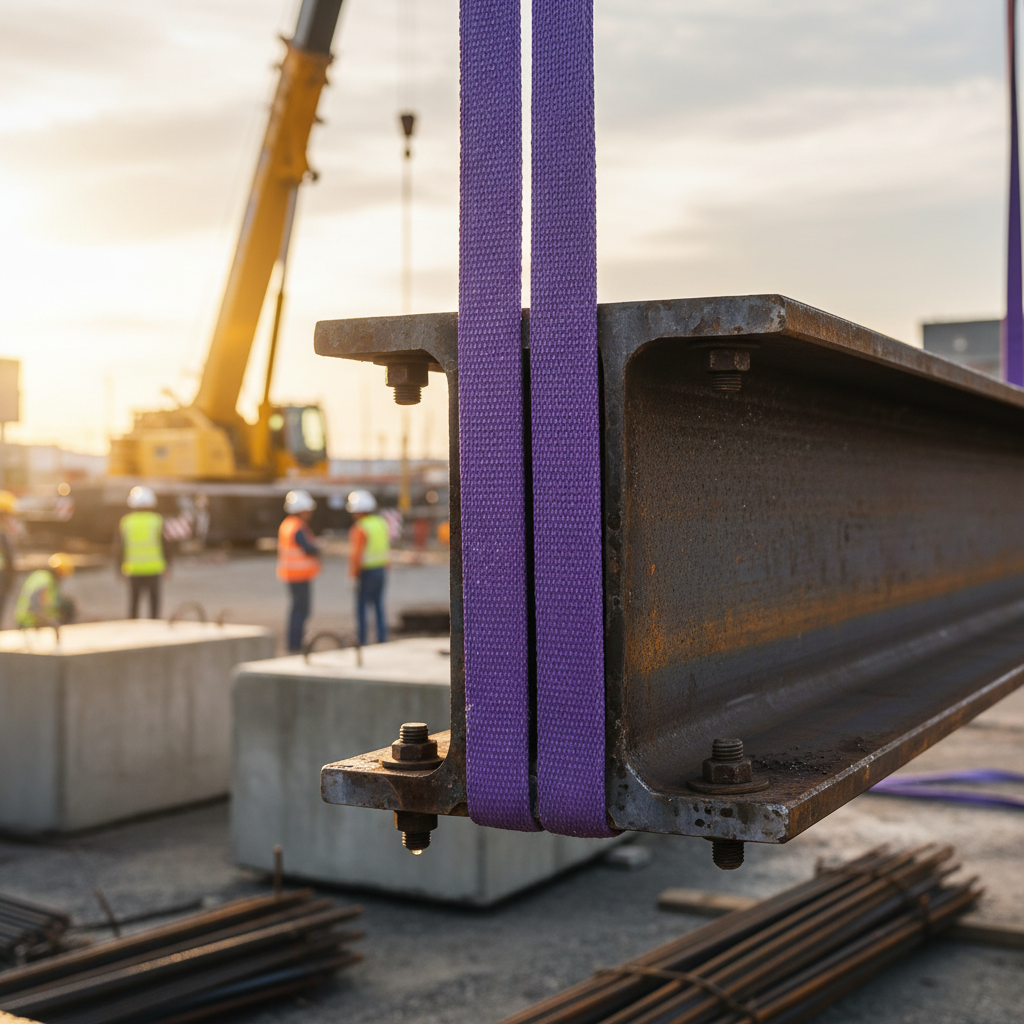 Polyester slings are an excellent choice for heavy lifting due to their strength and lightweight properties. However, to ensure these slings maintain their effectiveness and longevity, proper maintenance is essential. Regular cleaning is crucial, as dirt and debris can wear down the fabric over time. It’s recommended to wash slings in a mild soap solution and air dry them away from direct sunlight to prevent degradation of the material.
Storing polyester slings correctly also plays a vital role in their lifespan. Slings should be rolled or folded neatly and placed in a dry, cool area away from extreme temperatures. Additionally, performing routine inspections for frays, cuts, or any signs of wear can help identify potential risks before they compromise safety during lifting operations. By following these maintenance tips, users can extend the life of their polyester slings and ensure they continue to meet their heavy lifting needs effectively.
Safety Practices for Using Polyester Slings in Lifting Operations
When using polyester slings for heavy lifting operations, adhering to strict safety practices is crucial.
Polyester slings are known for their strength and lightweight characteristics, making them a popular choice in various lifting applications.
However, recent incidents in heavy lifting operations highlight the need for diligence in safety measures.
For instance, the decommissioning of oil fields has been halted due to injuries and safety concerns, reminding us that the risks associated with lifting operations must never be underestimated.
Tips for Safety When Using Polyester Slings:
- Always inspect slings before use to ensure they are in good condition, free of cuts, wear, and other damage.
- Ensure that the weight of the load does not exceed the sling's rated capacity, taking into account the lift angle to avoid excessive strain on the slings.
Additionally, proper training for all personnel involved in lifting operations is essential.
Workers must understand the correct methods for rigging and handling loads to minimize the risk of accidents.
Ensuring clear communication and planning during lifting can create a safer work environment and help prevent potential injuries related to lifting activities.