How to Choose the Best Cam Straps for Your Outdoor Gear Needs
When it comes to outdoor activities, having reliable gear is essential for a successful adventure. One often overlooked but crucial component of outdoor gear is cam straps. These versatile straps play a vital role in securing equipment, whether you're loading up your kayak for a weekend trip, strapping down bikes to a roof rack, or organizing camping gear. Choosing the best cam straps can significantly enhance your outdoor experience by ensuring safety, stability, and convenience.
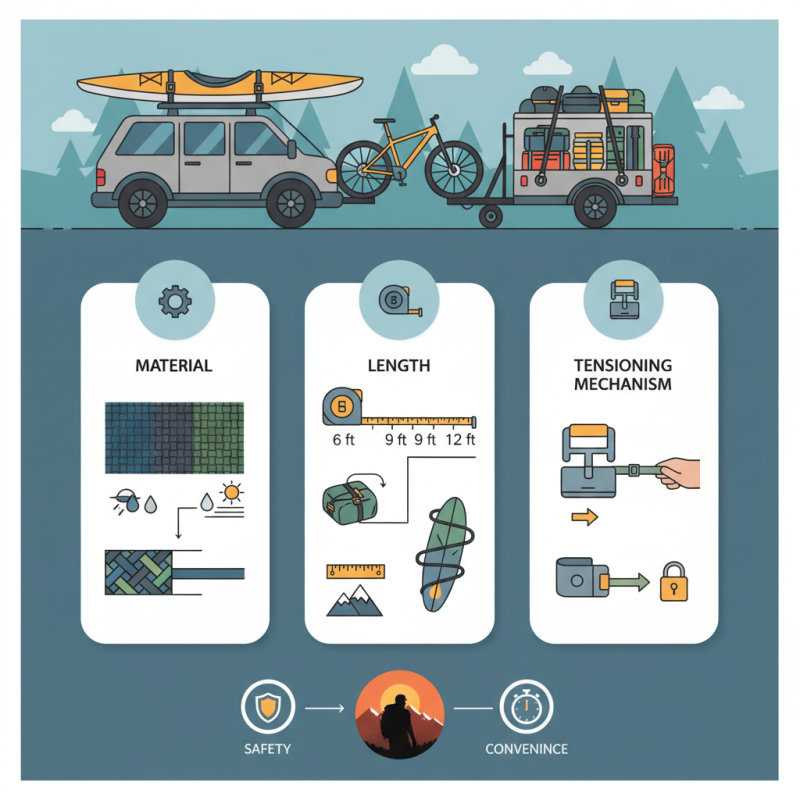
A well-selected cam strap not only provides the necessary strength to hold your items but also offers ease of use, quick adjustments, and durability in various environmental conditions. With a myriad of options available on the market, it can be daunting to determine which cam straps will best meet your specific outdoor gear needs. Factors such as material, length, and tensioning mechanisms should all be considered to ensure that you make the right choice.
In this guide, we will explore the essential aspects of cam straps that outdoor enthusiasts should factor into their decision-making process. By understanding their features and strengths, you can confidently select the cam straps that will support your gear, enabling you to focus on enjoying your outdoor adventures to the fullest.
Understanding Cam Straps: Purpose and Benefits
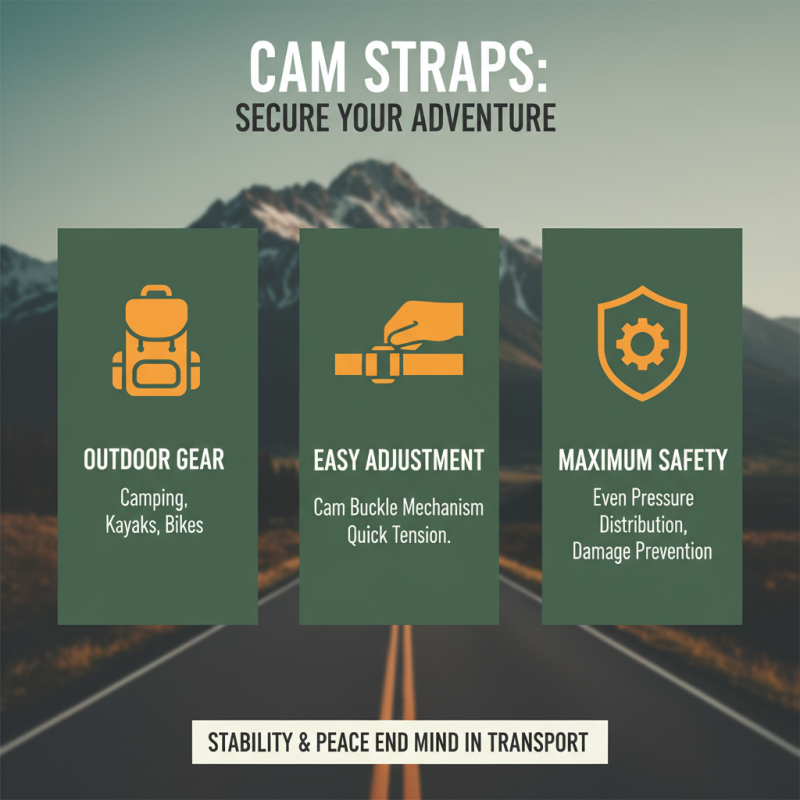
Cam straps are essential tools for securing outdoor gear, offering a practical solution for maintaining stability and safety during transport. These straps utilize a cam buckle mechanism, which allows users to easily adjust the tension and secure items with minimal effort. The benefits of cam straps extend beyond just holding gear in place; they are designed to distribute pressure evenly, reducing the risk of damage to your equipment. Whether you're embarking on a camping trip or transporting kayaks, understanding the purpose and advantages of cam straps can help ensure your gear remains safe and intact.
Tips: When selecting cam straps, consider the material and strength rating to match your specific needs. For lighter gear, nylon straps can provide flexibility and strength, while heavier loads may necessitate polyester straps for their added durability. Furthermore, examine the length of the straps you require. Longer straps offer versatility in securing various sizes of gear, but be cautious to avoid unnecessary excess that could become tangled.
Additionally, pay attention to the width of the strap, as wider straps can distribute weight more effectively and decrease the chances of slippage. A good cam strap should also have a protective coating to prevent wear and tear from environmental exposure. By keeping these considerations in mind, you can choose cam straps that not only meet but exceed your outdoor gear requirements.
Types of Cam Straps: Choosing the Right Style for Your Needs
When selecting cam straps for your outdoor adventures, it is crucial to understand the different types available and how they align with your specific needs. One common type is the polyester cam strap, known for its durability and resistance to UV rays. This style is particularly suitable for securing gear in various weather conditions, making it an excellent choice for camping, hiking, or kayaking. Additionally, these straps often come with high load capacities, ensuring your equipment stays safely in place.
Another option is the rubberized cam strap, which features a soft, non-slip surface. This design is perfect for securing delicate or easily scratched items, as it minimizes the risk of damage while providing a strong hold. Rubberized straps also excel in situations where moisture is a concern, as their grip tends to improve when wet, making them ideal for outdoor use. Lastly, adjustable cam straps offer versatility, allowing you to tailor the length and tension according to the specific size and shape of your gear. By understanding these various styles, you can make an informed choice that enhances your outdoor experience.
Key Features to Consider When Selecting Cam Straps
When selecting cam straps for your outdoor gear needs, several key features should be taken into account to ensure durability and usability. First, consider the material. High-quality cam straps are typically made from heavy-duty polyester or nylon, which provides strength without adding excessive weight. According to a report by the Outdoor Industry Association, proper gear selection can enhance safety and efficiency in outdoor activities, with well-constructed straps contributing significantly to the reliability of securing equipment.
Another crucial aspect is the cam buckle’s design. Look for a buckle that is easy to operate yet provides a secure grip. A study published in the Journal of Outdoor Recreation and Tourism indicates that users prefer cam straps that allow for quick adjustments while maintaining a strong hold under tension. This is essential for activities like camping, where gear might need to be adjusted frequently.
Tips: Always pay attention to the weight capacity of the cam straps. For instance, straps rated for at least 1,000 lbs are often recommended for more extensive outdoor equipment. Additionally, consider the length of the straps; longer lengths provide more versatility but may also be bulkier. Finally, ensure they come with weather-resistant properties to withstand outdoor conditions, which enhances their longevity.
How to Properly Use and Adjust Cam Straps for Safety
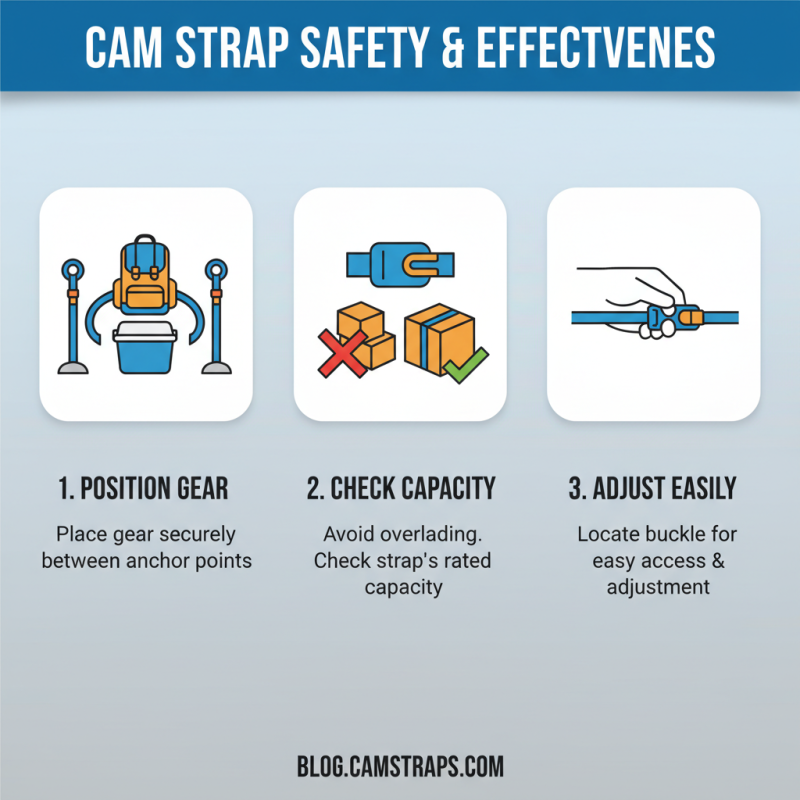
When using cam straps, proper adjustments are key to ensuring safety and effectiveness. Begin by placing your gear securely between the two points where you will attach the straps. Avoid overloading the straps beyond their rated capacity to reduce the risk of damage or failure. Position the cam buckle at a convenient location for easy access, allowing you to tighten or loosen the strap comfortably without needing to reach awkwardly.
To adjust the cam strap, pull on the free end to create tension. Ensure that the strap is flat and free of twists. Once you achieve the desired tightness, engage the cam buckle by flipping it down, which locks the strap in place. After securing the strap, give it a gentle tug to confirm that it is firmly locked, yet check that it does not compromise the integrity of your gear. Regular checks during transport will help maintain tension and ensure safety, preventing any unexpected shifts or movements of your load.
Maintenance Tips for Longevity of Your Cam Straps
When it comes to outdoor gear, cam straps play a crucial role in securely fastening equipment. However, ensuring their longevity requires proper maintenance. A report by the Outdoor Industry Association reveals that well-maintained gear can extend its life by up to 50%. Regular cleaning is essential; dirt and debris can weaken the fabric and reduce the strap's integrity. Utilizing a soft brush and mild soap followed by thorough air drying can help keep your straps in top shape. Avoid using harsh chemicals or excessive heat, as these can degrade the material over time.
Another critical aspect of strap maintenance is proper storage. According to data from the American Society for Testing and Materials, UV exposure can significantly weaken cam straps, leading to catastrophic failures. Therefore, storing your straps in a cool, dry place shielded from direct sunlight is vital. Additionally, periodically inspecting straps for fraying, wear, or damage ensures any issues are addressed before they compromise safety during your outdoor adventures. By incorporating these maintenance practices, users can maximize the durability and performance of their cam straps for years to come.
Cam Strap Durability Analysis