How to Choose the Best Cam Straps for Your Needs?
Choosing the right cam straps can significantly impact your outdoor experiences. With numerous options on the market, knowing what matters is crucial. Cam straps are designed to secure loads while being easy to adjust. They are commonly used in activities like camping, kayaking, or securing items in vehicles.
Selecting the best cam straps involves understanding your specific needs. Factors such as length, width, and material can influence performance. A strap that works well for one purpose may not be suitable for another. Reviewing product specifications and seeking expert opinions can aid in making an informed choice. Remember, the right cam straps ensure safety and prevent equipment loss.
Think about your past experiences with cam straps. Did you face issues with strength or durability? Reflect on what you learned from previous purchases. This approach can help you avoid similar mistakes in the future and enhance your outdoor adventures.

Understanding Cam Straps: Definition and Functionality
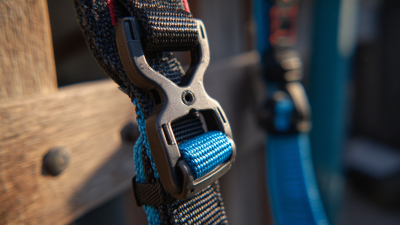
Cam straps are essential tools for securing loads during transport. Understanding their functionality is crucial for anyone involved in outdoor activities or logistics. These straps feature a cam buckle, allowing for easy adjustments and strong tension. Users can secure items with minimal effort. The materials used often include durable polyester, providing both strength and resistance to wear.
When selecting cam straps, consider their weight capacity and length. It's vital to match the right strap to your load size. A strap that is too short may not secure items adequately, while one that is excessively long can lead to tangling and wasted space. Reflect on past experiences. Were there instances where a strap failed? Documenting these situations can enhance your future selections.
Many people overlook the importance of strap maintenance. After use, inspecting straps for frays, tears, or corrosion ensures safety in subsequent uses. Addressing wear promptly can prevent potential disasters. A reliable cam strap can serve you well, but only if you invest time into understanding and maintaining it properly.
Identifying Different Types of Cam Straps and Their Uses
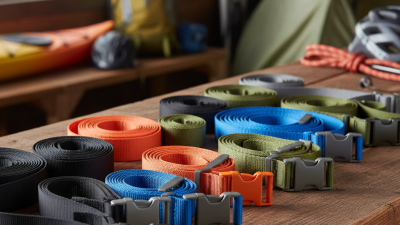
Cam straps come in various types, each designed for specific uses. The most common types include standard cam straps, ratchet straps, and heavy-duty options. Standard cam straps are ideal for securing lighter loads, like camping gear. They are easy to handle and quick to use. Ratchet straps offer more tension and are suitable for heavier items, making them popular for transporting goods. Heavy-duty cam straps excel in strength, often used in industrial settings.
When choosing a cam strap, consider the material and design. Many cam straps feature nylon or polyester, providing durability and resistance to wear. The buckle design is also crucial; a reliable buckle ensures secure fastening. Users often overlook these details, leading to safety issues. Researching safety ratings and weight limits can help avoid these pitfalls.
It’s important to reflect on your specific needs. Are you using the straps for recreational purposes, or do you require them for more intense applications? Identifying the right type depends on the nature of your projects. This decision can affect your operational efficiency and safety, emphasizing the importance of careful consideration.
Factors to Consider When Choosing Cam Straps for Your Needs
Choosing the right cam straps can significantly impact your projects. Different needs require different features. One important factor is the strap material. Strong nylon or polyester offers durability against wear and tear. Consider the load capacity as well. Straps designed for heavy weights will perform better and keep your cargo secure.
Pay attention to the length of the straps. A longer strap may seem convenient, but it can be cumbersome. Straps that are too short may not wrap around your cargo properly. Always measure the items you plan to secure. A precise fit minimizes slipping and ensures safety during transport.
Evaluate the buckle design as well. Cam buckles provide an easy way to adjust tension. However, some users find them tricky to operate. It’s wise to practice using new straps before an important task. Using straps incorrectly can lead to damaging your cargo. Take time to learn the best methods for securing items effectively.
How to Choose the Best Cam Straps for Your Needs?
This chart illustrates key factors to consider when selecting cam straps, including weight capacity, length, width, durability, and price. These dimensions help assess their suitability for specific needs.
Assessing Strength, Durability, and Material of Cam Straps
When selecting cam straps, assessing their strength, durability, and material is crucial. The strength of a cam strap is often determined by its breaking strength, measured in kilonewtons (kN). A report by the National Institute of Standards and Technology notes that high-performance cam straps should have a minimum breaking strength of 25 kN for safe use in various applications. Straps used in heavy-duty situations, like climbing or hauling, should be even stronger, often exceeding 30 kN.
Durability is tied to the materials used for the straps. Polyester is a common choice, providing excellent resistance to UV rays and abrasion. In fact, studies have shown that polyester straps can maintain up to 90% of their original strength even after prolonged exposure to sunlight. However, nylon offers better elasticity and is often favored in applications where stretch is beneficial. It's important to evaluate the intended use to choose the most suitable material.
Finally, another often overlooked factor is the stitching quality. The stitching must be robust enough to withstand the forces applied during use. Poor stitching can compromise the entire strap's integrity, leading to failure in critical moments. A well-constructed cam strap might show signs of wear, but it’s essential to regularly inspect for frays to ensure safety. Evaluating these aspects will guide you to the best cam straps tailored to your needs.
Tips for Proper Usage and Maintenance of Cam Straps
Cam straps are essential for securing loads during transportation. To maintain their effectiveness, proper usage and maintenance are crucial. A recent industry report indicates that improper handling can lead to a 30% increase in equipment damage claims. Thus, understanding how to use and care for cam straps is vital.
When using cam straps, ensure they are threaded properly through the cam buckle. An incorrect setup may reduce the strap's load-bearing capacity. Regularly inspect your straps for fraying or wear. Studies show that worn straps can lose up to 50% of their strength. Replace damaged straps immediately to prevent failures during use. Store them in a dry, cool place to avoid degradation.
Cleaning cam straps is simpler than you might think. Use mild soap and warm water to remove dirt and debris. Avoid harsh chemicals, as these can weaken the fabric. After cleaning, air dry them completely. It’s tempting to skip maintenance, but neglect can lead to unforeseen issues. A proactive approach enhances their longevity and safety.
How to Choose the Best Cam Straps for Your Needs? - Tips for Proper Usage and Maintenance of Cam Straps
| Feature |
Description |
Tips for Usage |
Maintenance |
| Material |
Commonly made from polyester or nylon for durability |
Choose a material that suits your load and environment |
Store in a cool, dry place to prevent degradation |
| Width |
Available in various widths (1" to 3") |
Wider straps distribute weight more evenly |
Inspect regularly for wear and fraying |
| Length |
Typically ranges from 6' to 30' |
Consider the size of the items being secured |
Clean dirt off straps after use to prevent damage |
| Buckling Mechanism |
Cam buckle or side-release options |
Test the buckling mechanism before use |
Lubricate buckles if necessary for smooth operation |
| Weight Capacity |
Varies by design, typically from 300 lbs to over 1000 lbs |
Always check the weight rating before use |
Avoid exceeding the rated limit to prevent breakage |