How to Choose the Best Synthetic Sling for Your Needs?
Choosing the right synthetic sling is crucial for lifting applications. The global synthetic sling market is projected to grow significantly, reaching USD 1.2 billion by 2025. This increase highlights the importance of selecting a sling that meets specific needs. Synthetic slings are favored for their lightweight properties and versatility.
It is essential to consider factors like load capacity, environment, and usage conditions. For instance, polyester and nylon slings each have unique strengths. Polyester is known for its low stretch and UV resistance, while nylon offers superior shock absorption. However, not all slings are created equal. Users often overlook the importance of proper maintenance and inspection routines.
An effective choice can enhance safety and efficiency. Yet, with so many options available, making the right decision can be overwhelming. Understanding the characteristics of synthetic slings can prevent costly mistakes. When selecting a sling, reflect on your specific requirements and operational demands.
Understanding the Different Types of Synthetic Slings Available
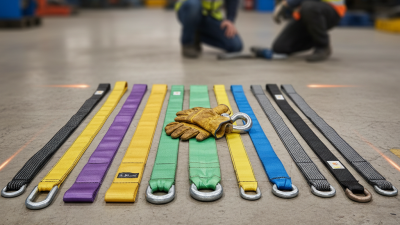
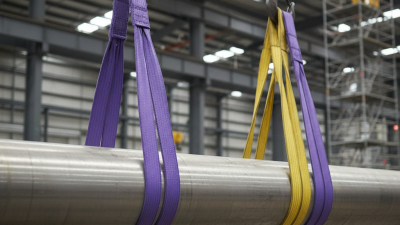
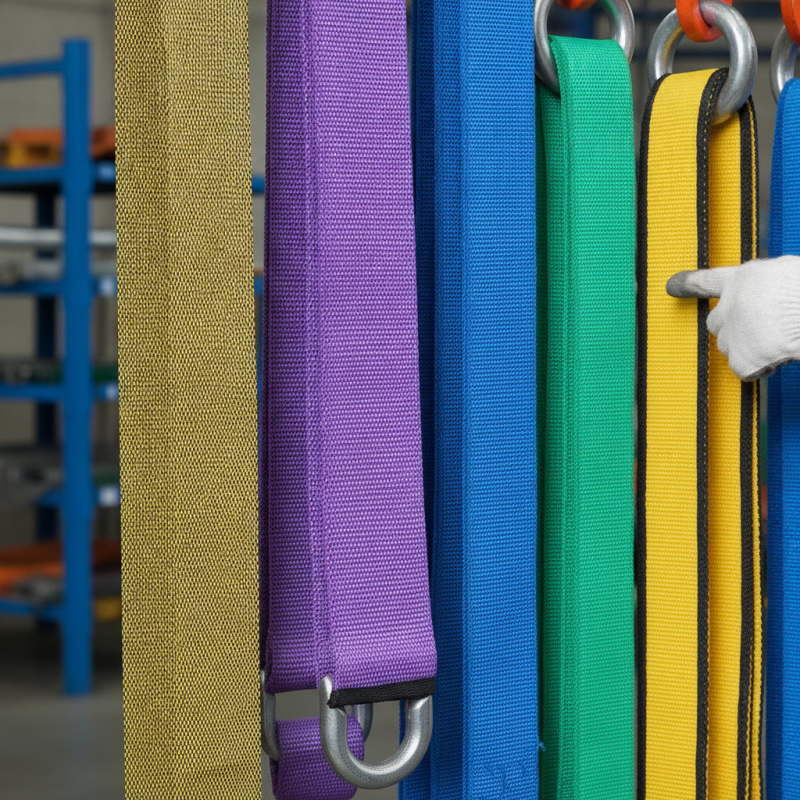
When selecting a synthetic sling, it’s crucial to understand the different types available. Synthetic slings are categorized mainly into nylon and polyester options. Each type exhibits distinct properties, making them suitable for varying applications. For instance, nylon slings boast higher stretch capabilities, which can be beneficial for shock absorption during lifting. In contrast, polyester slings have minimal stretch, offering more stability under load.
The choice of material affects not only performance but also safety. According to industry data, synthetic slings account for nearly 80% of all lifting equipment used in construction. They are well-regarded for their lightweight and ease of use. However, users should be wary of environmental factors. UV exposure can degrade nylon slings, while polyester slings are generally more resistant to sunlight.
Load capacity is another critical factor. Experts recommend evaluating the load limit and ensuring it exceeds the heaviest expected load by at least 10%. Moreover, the wear and tear of slings should be regularly assessed. In a recent report, nearly 15% of sling failures were attributed to inadequate maintenance. Understanding these nuances can guide you in choosing the appropriate synthetic sling, tailored to your specific needs.
Evaluating Load Capacities and Weight Limitations for Synthetic Slings
When evaluating synthetic slings, understanding load capacities and weight limitations is crucial. These factors heavily influence the choice of sling for any lifting task. Each synthetic sling has a specified weight limit, often indicated in pounds or kilograms. This limit is the maximum safe load the sling can carry without risking failure. Exceeding this limit can lead to dangerous outcomes, including sling damage or accidents.
To choose the right synthetic sling, the intended use should be assessed. Consider the type of materials being lifted and the conditions of the job site. Factors like temperature, exposure to chemicals, and lifting angles are important to keep in mind. A sling may perform differently under various conditions, providing a performance limit that needs reflection. Comparing load capacities for different sling types can help in understanding which one meets your specific needs.
Numerous factors contribute to the complexity of selecting the appropriate sling. Experience plays a significant role in understanding these dynamics. It’s vital to consult manufacturer guidelines and seek expert advice when necessary. Relying on past experiences and best practices can be beneficial, but errors can still occur. Evaluate regularly and adjust your choices based on any new insights. This ongoing process of reflection helps ensure safety and reliability in lifting operations.
Assessing Material Durability and Weather Resistance in Sling Selection
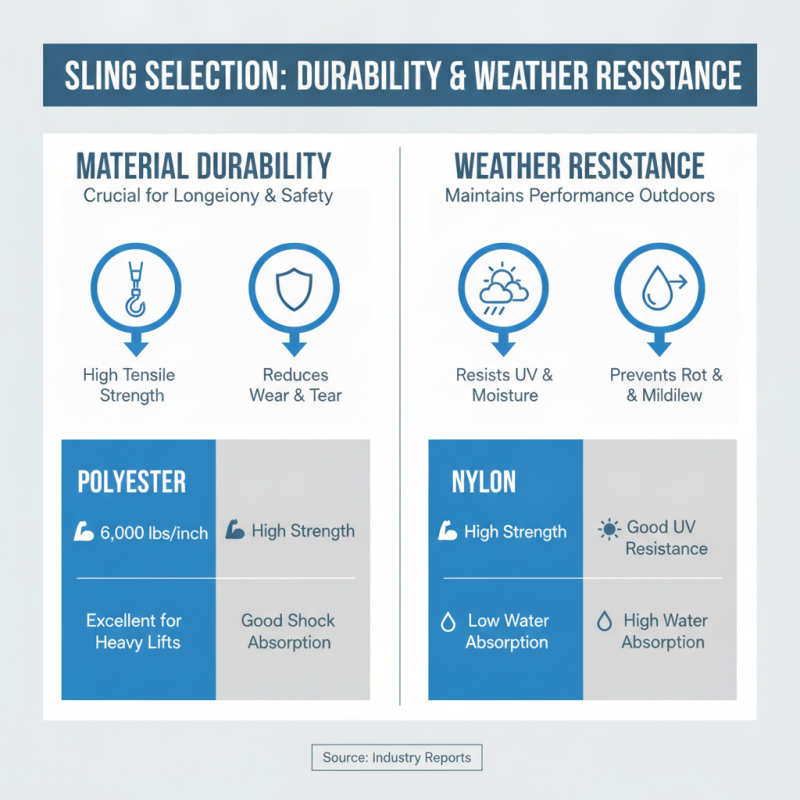
When selecting a synthetic sling, material durability and weather resistance are crucial factors. These characteristics influence not only the sling’s longevity but also its safety during use. According to industry reports, synthetic slings made from materials like polyester and nylon demonstrate high tensile strength. Polyester, for example, can have a tensile strength of around 6,000 pounds per inch, making it suitable for heavy lifting tasks.
However, it is essential to consider their performance under different weather conditions. Some materials may degrade when exposed to UV rays. A study by the Industrial Fabrics Association International indicates that polyester slings lose approximately 10% of their tensile strength after one year of continuous UV exposure. This data emphasizes the importance of checking for UV resistance when choosing slings for outdoor use.
Additionally, moisture absorption can impact slings as well. Nylon slings, while strong, can absorb moisture, which may weaken their structural integrity over time. This is a significant concern in environments with high humidity. Assessing the specific application and environmental conditions is vital. Reflecting on the material capabilities can guide you in making a safer, more reliable choice for your needs.
Identifying Safety Ratings and Industry Standards for Synthetic Slings
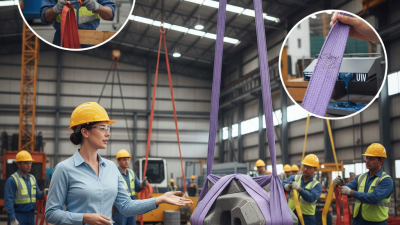
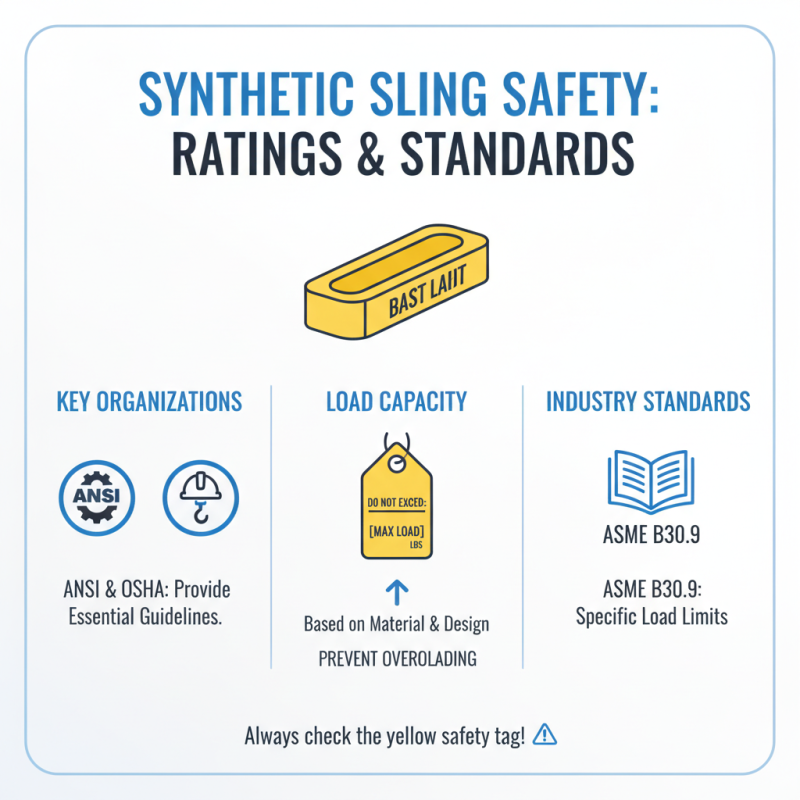
When choosing synthetic slings, understanding safety ratings is crucial. The American National Standards Institute (ANSI) and the Occupational Safety and Health Administration (OSHA) provide essential guidelines. Slings must comply with specific load capacities based on material and design, emphasized in ASME B30.9 standards. Many slings have a yellow safety tag specifying their load limit, which helps prevent overloading.
Safety factors, typically between 5:1 and 7:1, indicate how much weight the sling can support compared to its breaking strength. In practical terms, a sling rated for 5,000 pounds must withstand at least 25,000 pounds before breaking. This added margin accounts for dynamic loading and wear over time. Regular inspections are essential.
Consider the environment where the sling will be used. UV exposure and chemicals can degrade materials. Some slings may show wear or damage without visible signs. Therefore, referencing the manufacturer’s guidelines for inspection intervals is vital. Understanding these details can prevent potential accidents and ensure safe lifting practices.
Comparing Cost-Effectiveness and Manufacturer Reputation in Sling Choices
When selecting a synthetic sling,
it's essential to evaluate cost-effectiveness alongside the
manufacturer's reputation. A sling that seems budget-friendly
might not be durable or safe. Sometimes, cheaper materials
compromise strength. Safety features should never be overlooked even if they increase costs.
Manufacturer reputation plays a significant role in your choice. Brands
with positive feedback often invest in quality control and innovation. Checking reviews can reveal
valuable insights. Some may find a popular brand less reliable than a lesser-known one.
Analyzing user experiences can steer you towards the right decision.
Balancing cost and reputation requires careful consideration. Always ask questions when unsure.
A sling's lifespan can justify a higher initial investment. Value lies in both safety and efficiency.
Remember, quality slings ultimately enhance productivity and minimize risks.