Why Choose the Right Lifting Sling for Your Needs?
When it comes to lifting heavy loads safely, the choice of a Lifting Sling is critical. According to the Occupational Safety and Health Administration (OSHA), improper sling selection can lead to serious accidents. In fact, over 60% of lifting-related injuries stem from equipment failure or improper usage. Selecting the right Lifting Sling minimizes these risks.
Different slings serve various purposes. For instance, polyester slings are flexible and resistant to abrasion, while chain slings provide superior strength and durability. Yet, many users overlook the specific requirements of their tasks. This oversight can lead to inadequate performance and increased safety risks.
Choosing a Lifting Sling involves more than just picking the strongest option. It requires understanding load dynamics, sling types, and proper inspection protocols. Many operators underestimate the importance of regular inspections, which are necessary for ensuring safety and reliability. The right Lifting Sling can enhance efficiency and reduce accidents, but careful attention must be paid to each detail.
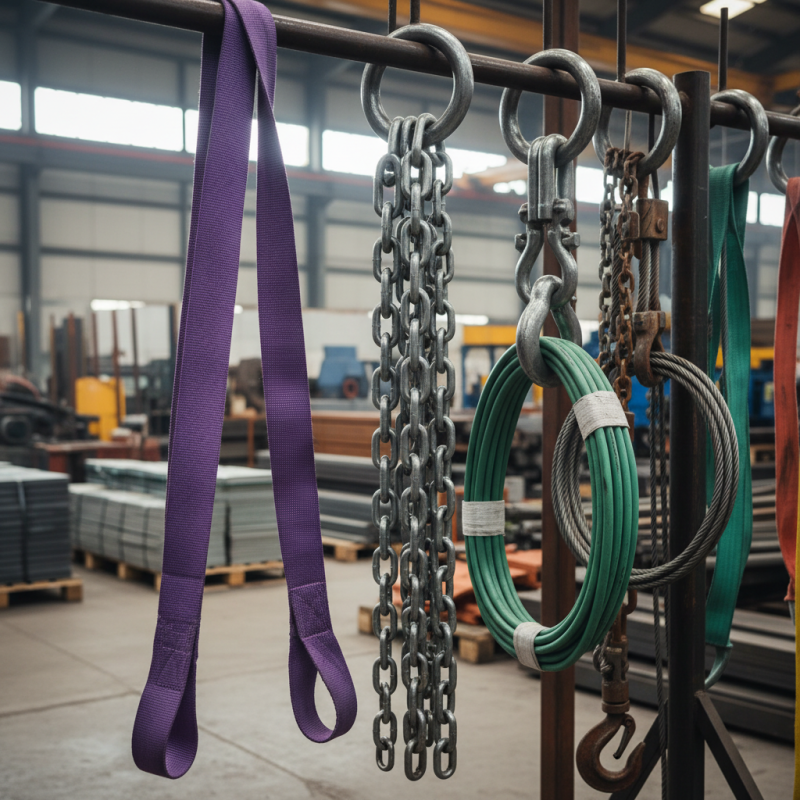
Factors to Consider When Selecting a Lifting Sling
Selecting the right lifting sling can be critical for safety and efficiency. Understanding the specific factors involved in this choice is essential. One important aspect is load capacity. Knowing the weight and shape of the objects to be lifted helps prevent accidents. A sling with insufficient capacity can lead to failures and injuries. Consider the material as well. Synthetic fibers might be lightweight and flexible, but they could also wear out more easily compared to metal slings.
Environmental conditions play a role, too. Will the sling be used outdoors or in wet conditions? Certain materials can degrade in sunlight or moisture. Think about the lifting method as well. Some slings are better suited for vertical lifts, while others work well for horizontal pulls. Selecting a sling requires attention to detail and a willingness to ask questions.
Regrettably, many overlook these factors in their haste. They assume that any sling will do the job, only to find out later that their choice was inefficient. It's worth reflecting on past experiences to avoid similar mistakes. Take your time to research and analyze your options. A well-informed decision today ensures better safety tomorrow.
Why Choose the Right Lifting Sling for Your Needs? - Factors to Consider When Selecting a Lifting Sling
| Factor |
Description |
Importance Level |
| Load Capacity |
The weight the sling can safely lift without risk of failure. |
High |
| Material Type |
The material that the sling is made from, affecting durability and flexibility. |
Medium |
| Sling Length |
The length of the sling, influencing the range of motion during lifting. |
Medium |
| Width |
The width of the sling, which affects load distribution and stability. |
Medium |
| Safety Factor |
A measure of how much the sling can lift beyond its rated capacity. |
High |
| Environmental Considerations |
Conditions such as temperature and moisture that may affect sling performance. |
Medium |
| Type of Load |
The shape and stability of the object being lifted, influencing sling selection. |
High |
| Cost |
Budget considerations that may affect the choice of sling type. |
Low |
Types of Lifting Slings and Their Applications
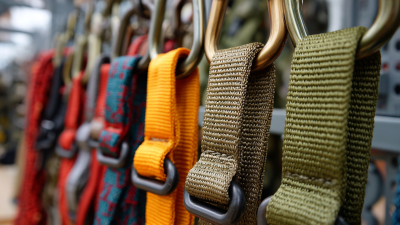
Lifting slings come in various types, each designed for specific applications. Choosing the right one is crucial. Common types include nylon, polyester, and metal slings.
Nylon slings are durable and resistant to abrasion. They are ideal for heavy lifting in construction.
Polyester slings, on the other hand, are lightweight and flexible. They work well for delicate or precise loads.
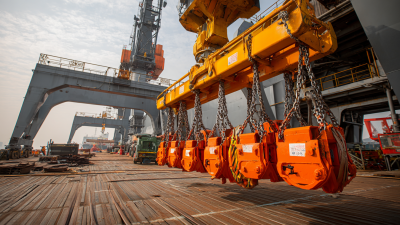
Metal slings, such as chains, are used for heavy industrial applications. They support enormous weights and provide high reliability.
When selecting a sling, consider the load type and weight. Ensure the sling's capacity exceeds the load requirement. Pay attention to environmental factors like temperature and chemicals.
Proper inspection of slings is vital before each use. Look for wear, fraying, or damage. Always prioritize safety.
Tips: Always read the manufacturer's guidelines. They offer valuable insights into the sling's capabilities. Keep slings clean and dry to maintain their integrity.
Regular training on sling usage can enhance safety and effectiveness. Remember, even slight imperfections in slings can lead to significant safety risks.
Understanding Load Capacity and Safety Ratings
Choosing the correct lifting sling is crucial, especially concerning load capacity and safety ratings. Understanding these factors can help prevent accidents. Load capacity refers to the maximum weight a sling can handle. Exceeding this limit can lead to failure. It's vital to assess the weight of the load plus any dynamic forces during lifting.
Safety ratings offer guidance on slings' reliability. These ratings are determined through rigorous testing. They reflect how the sling performs under stress. A sling with a higher safety rating typically indicates more confidence in its performance. However, users often overlook factors like wear and tear. Regular inspection is necessary, and even minor damage can compromise safety.
Users must also consider environmental conditions. Exposure to harsh elements can weaken certain materials. Not all slings perform equally in varying temperatures or exposure to chemicals. Reflecting on these factors is essential. A well-informed decision ensures safety and efficiency during lifting tasks. Always prioritize understanding load capacity and safety ratings when choosing a lifting sling.
Material Choices for Lifting Slings and Their Benefits
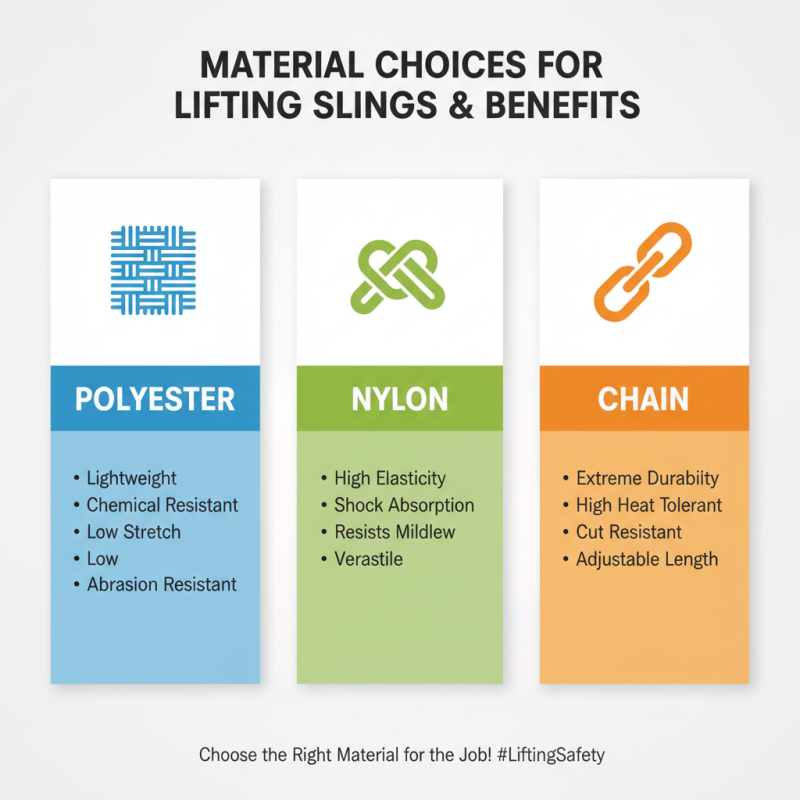
When selecting a lifting sling, the material plays a crucial role. Different materials offer unique benefits tailored to specific tasks. Common lifting sling materials include polyester, nylon, and chain. Each material has its strengths and weaknesses. Understanding these can help you make informed choices.
Polyester slings are popular for their lightweight and versatility. They resist abrasion and UV rays, making them suitable for outdoor use. However, they can degrade when exposed to certain chemicals. Nylon slings are known for their elasticity and shock absorption. They are ideal for heavy loads but may be more sensitive to UV exposure. Chains provide durability and strength but can be heavy and difficult to handle.
**Tip:** Always inspect slings before use. Look for wear or damage. This step can prevent accidents.
Consider the environment where the sling will be used. Moisture, heat, and chemicals can impact the performance of materials. Make sure the chosen material aligns with your specific lifting needs and conditions. Choose carefully to ensure safety and efficiency.
**Tip:** Research and ask for opinions. Engaging with professionals can provide insights about materials and their applications.
Maintenance Tips for Ensuring Sling Longevity and Safety
Maintaining lifting slings is crucial for safety and longevity. A regular inspection schedule can help identify wear and tear. Check for frays, cuts, or discoloration. If you notice any signs of damage, remove the sling from use immediately. Small issues can lead to significant failures.
Proper storage is equally important. Keep slings in a clean, dry area away from harsh elements. Avoid placing heavy objects on top. This prevents unnecessary pressure that can weaken the material over time. Consider labeling storage areas to ensure easy access and accountability.
Outdoor conditions can be particularly challenging. Prolonged exposure to UV rays may degrade slings. If slings are used in these conditions, inspect them more frequently. Clean them regularly with mild soap and water. Rinse thoroughly to remove any residue. Wrong cleaning methods may cause more harm than good. Taking these steps fosters reliability in lifting operations.