How to Choose the Right Nylon Sling for Your Needs?
Choosing the right Nylon Sling requires careful consideration. These tools are versatile and can be used in various applications. From lifting heavy loads to securing equipment, a Nylon Sling can be invaluable. However, not all slings are created equal. Understanding their features and specifications is crucial.
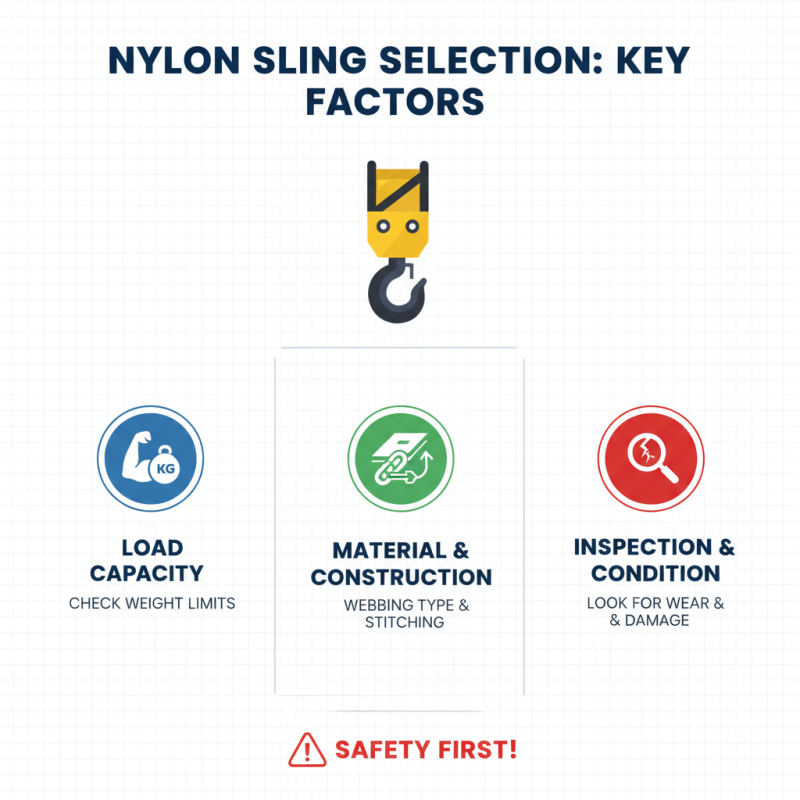
One must assess the weight capacity and the environment where the sling will be used. Durability and resistance to abrasion are key factors. It's important to consider the type of cargo and the lifting method. You may find that a specific Nylon Sling won’t meet your requirements, leading to setbacks.
Additionally, safety should never be overlooked. A poorly chosen Nylon Sling can compromise safety. Always prioritize your needs and conditions. Reflecting on these aspects will guide you in making an informed decision. Take your time to evaluate options before making a choice.
Understanding the Different Types of Nylon Slings Available
Nylon slings are versatile tools widely used in lifting and securing loads. Choosing the right nylon sling depends on your specific requirements. Different types of slings are designed for various applications. Knowing these types can enhance your efficiency and safety.
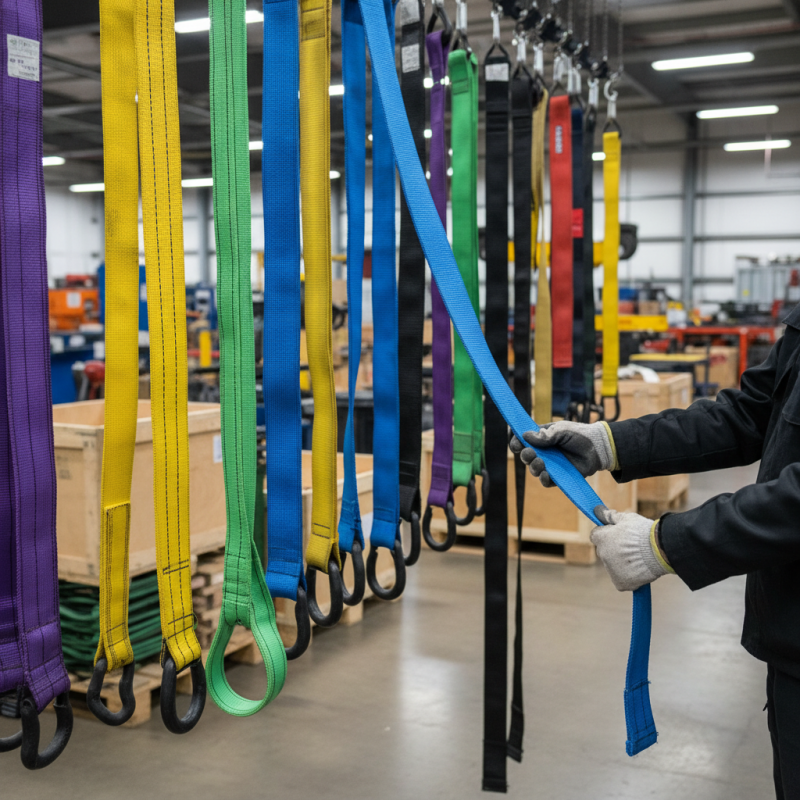
One common type is the flat nylon sling. These slings are durable and provide excellent load distribution. They are suitable for lifting heavy equipment or materials. Loop-style slings are another option. Their design allows for easy handling and flexibility. They are perfect for lifting from multiple angles. You might also encounter round slings. These slings excel in lifting irregularly shaped loads due to their ability to stretch.
It's essential to assess your load’s weight and environmental factors. Some slings may not perform well in extreme temperatures or wet conditions. Consider the lifting configuration as well. Not every sling works for every situation. If uncertain, consulting a professional could save time and prevent accidents. The diverse options available can be overwhelming. Reflecting on your needs can guide you to an informed choice, ensuring safety and effectiveness in your tasks.
Assessing Load Capacity and Safety Ratings for Nylon Slings
Choosing the right nylon sling involves understanding load capacity and safety ratings. Nylon slings are popular for their strength and flexibility. When selecting a sling, knowing its load capacity is non-negotiable. Most nylon slings have a working load limit (WLL) specified by manufacturers. For instance, a commonly used nylon sling can handle a WLL ranging from 1,000 to over 10,000 pounds.
Safety ratings are equally crucial. They often include a design factor, which reflects the sling’s ability to handle maximum stress. A standard safety factor for lifting slings is often 5:1, meaning a sling rated for 1,000 pounds should support up to 5,000 pounds before failure. It’s essential to verify these ratings through reliable sources. Misuse or overloading can lead to catastrophic failures.
Visual inspections and wear assessments are necessary. Slings can show signs of wear or damage after repeated use. Threads may fray, leading to a reduction in integrity. Operators should regularly evaluate slings for deformations. Documentation on load capacity and safety standards should be easily accessible for reference. Relying purely on manufacturer guidelines could be misleading. Each lifting scenario is unique and requires careful assessment.
How to Choose the Right Nylon Sling for Your Needs?
| Sling Type |
Load Capacity (lbs) |
Safety Factor |
Length (ft) |
Color Code |
| Flat Sling |
6000 |
5:1 |
8 |
Green |
| Round Sling |
5000 |
7:1 |
10 |
Blue |
| Web Sling |
4000 |
6:1 |
12 |
Red |
| High-Performance Sling |
7000 |
8:1 |
15 |
Yellow |
| Heavy Duty Sling |
8000 |
10:1 |
20 |
Orange |
Evaluating the Length and Width Requirements for Your Application
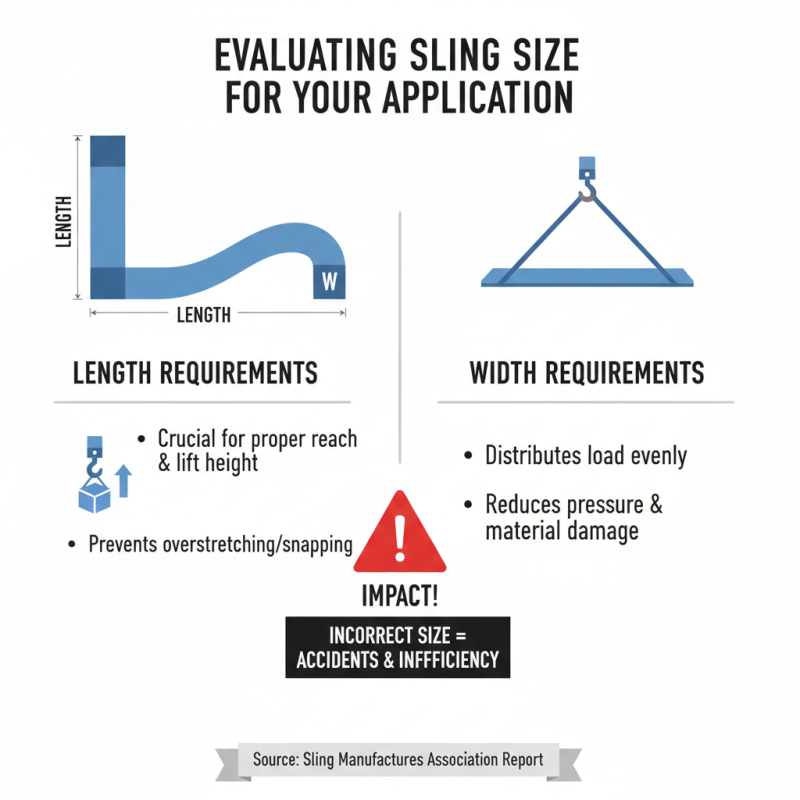
When selecting a nylon sling, understanding length and width requirements is crucial. Many users underestimate the impact of these dimensions on their application. A report by the Sling Manufacturers Association states that using incorrect sling sizes can lead to accidents and operational inefficiencies.
Length directly affects the reach and versatility of the sling. Opting for a sling that is too short may hinder your ability to lift heavy loads safely. Conversely, a sling that is excessively long can create unnecessary slack, increasing the risk of slippage. According to industry data, 30% of lifting incidents are attributed to improper sling length. This statistic underscores the importance of careful consideration in your selection.
Width also plays a vital role in the sling's load-bearing capacity. A wider sling distributes weight more evenly, reducing wear and tear. A narrow sling, while appealing for its low profile, may not offer sufficient strength for heavier loads. A recent study indicates that slings with a width-to-length ratio of 1:24 generally provide optimal performance. Users must acknowledge that there is no one-size-fits-all solution; each task may require tailored specifications. Evaluating your application's specific needs is essential to ensure safety and efficiency.
Maintenance and Care Tips for Ensuring Nylon Sling Longevity
When it comes to nylon slings, proper maintenance is key to prolonging their lifespan. Regular inspections should be part of your routine. Look for any signs of wear, fraying, or discoloration. These flaws can compromise strength. If you notice any damage, it’s best to replace the sling before using it again.
Tips: Store slings in a cool, dry place. Keep them away from direct sunlight. Excessive heat and moisture can cause deterioration. Cleaning should be gentle. Use mild soap and warm water. Avoid harsh chemicals, as they can degrade the nylon fibers. After cleaning, allow the sling to air dry completely.
To maintain optimal performance, always know the weight limits of your sling. Overloading can result in failure, leading to accidents. Pay attention to how you use the sling. Avoid dragging it across rough surfaces. This can create hidden abrasions that weaken it. Being mindful and proactive will ensure your nylon sling serves you well for years.
How to Choose the Right Nylon Sling for Your Needs
This chart illustrates key performance metrics to consider when selecting the right nylon sling, including weight capacity, durability, flexibility, and cost. Each metric plays a critical role in the longevity and effectiveness of the sling for your needs.