How to Choose Ratchet Straps in 2026?
Choosing Ratchet Straps in 2026 requires more than comparing prices, colors, or handle designs. A reliable choice begins with the cargo, vehicle, anchor points, and expected road conditions. A motorcycle, timber bundle, and boxed appliance create different securing challenges. Each application needs a suitable working load limit, webbing width, hook style, and strap length. Breaking strength is not the same as working load limit. That difference matters.
Real-world use also exposes details that product pages often overlook. Inspect the stitching near the hooks, the ratchet teeth, and every section that may touch sharp edges. Look for clean, tightly woven webbing without cuts, melted fibers, severe fading, or chemical damage. A comfortable handle helps, but it cannot compensate for weak hardware. Weather resistance matters too, especially when straps remain exposed to rain, dust, heat, or freezing conditions.
Small mistakes can become expensive.
This guide examines how to compare Ratchet Straps with practical judgment and current industry expectations. It considers load ratings, materials, hook compatibility, release mechanisms, storage, and inspection routines. It also questions common buying habits, including choosing the cheapest set or trusting impressive packaging. No strap remains dependable forever. Even a well-made product can fail after misuse, poor positioning, or repeated abrasion. Check the manufacturer’s instructions and the actual cargo setup before every trip. A careful selection process is not dramatic, but it can prevent shifting loads, damaged equipment, and avoidable roadside problems.
What Are Ratchet Straps and How Do They Work?
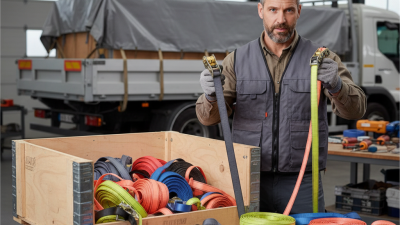
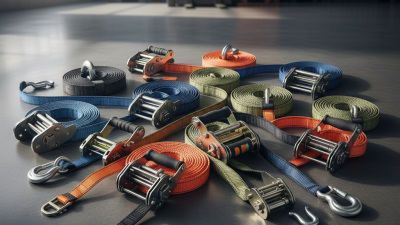
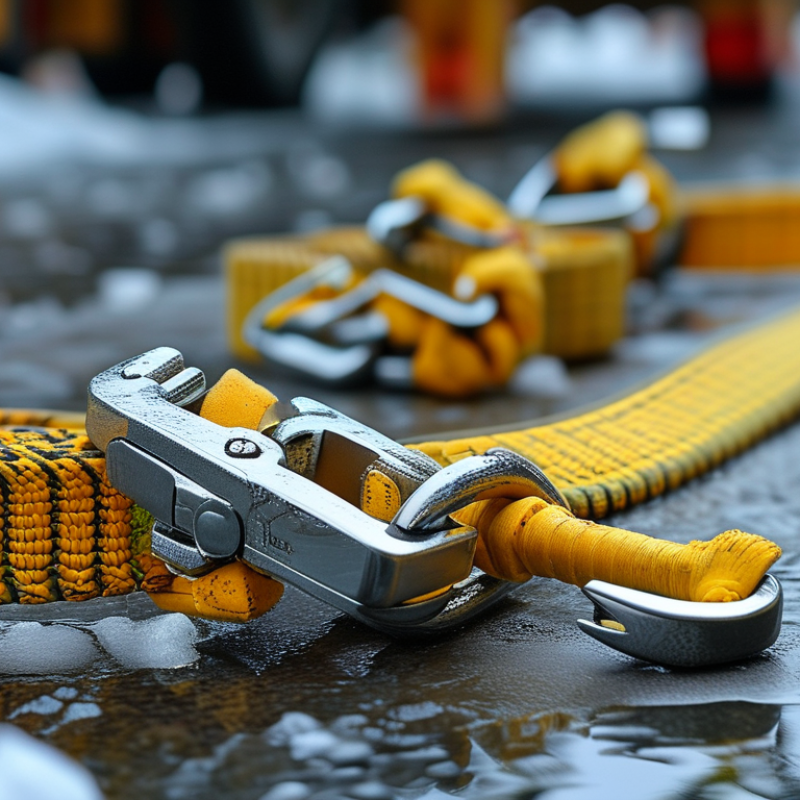
Ratchet straps are webbing-based tensioning tools used to hold cargo firmly during transport. A typical strap has polyester webbing, a ratchet handle, and end fittings such as hooks or loops. The ratchet does not lift the load. It winds the webbing around a spindle and creates controlled tension.
The mechanism is straightforward. Feed the loose webbing through the spindle, then move the handle back and forth. Each movement tightens the strap through small gear teeth. Closing the handle locks the spindle in place. To release it, open the handle fully and pull the release lever. It is simple. Still, rushed handling can leave the webbing twisted or trapped.
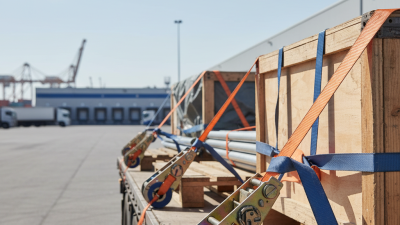
When choosing ratchet straps in 2026, check the working load limit, webbing width, length, and fitting design. The working load limit should match the cargo weight and the restraint arrangement, not just the strap’s breaking strength. Inspect stitching, cuts, heat damage, and bent hooks before every use. In practical loading checks, people often focus on the handle and overlook the strap edges. I made that mistake once. A strap can look strong while hidden abrasion weakens it. Keep the webbing flat, protect it from sharp corners, and avoid extending the handle with tools. Different cargo shapes may need different anchor points, so selection should follow the actual load, not convenience.
Which Strap Materials, Lengths, and Widths Are Best?
How to Choose Ratchet Straps in 2026?
The best ratchet strap starts with the cargo, not the color or handle design. Polyester webbing suits most trailers because it stretches less and resists sunlight, moisture, and abrasion. Nylon feels softer and can absorb shock, but it stretches more under tension. That movement may loosen your load during a long drive. Always compare the working load limit with the cargo weight. Never rely on breaking strength alone. The label matters.
Choose a strap length that reaches both anchor points without excessive loose webbing. For motorcycles, compact equipment, and small furniture, 2 to 4 meters often works well. Larger machinery may need 6 meters or more. Too much length creates coils that can drag, snag, or flap in wind. Too short is worse. It may force an unsafe angle.
Width affects handling and capacity. A 25 mm strap is convenient for lighter cargo and tight spaces. A 50 mm strap usually offers greater capacity and a stronger ratchet assembly. Check the complete system, including hooks, stitching, and anchor points. One weak part limits everything. I once selected a strap by width alone, and that was careless. The hooks did not fit the trailer rails properly. Measure first. Inspect cuts, melted fibers, rusty hardware, and damaged stitching before every use. Replace questionable straps, even when the damage looks minor. Lasanble
How to Inspect, Use, and Replace Ratchet Straps Safely
Choosing ratchet straps in 2026 starts with the load, not the color or handle shape. Check the strap’s rated capacity, length, webbing width, and end fittings. FMCSA guidance requires the aggregate working load limit to equal at least 50% of the cargo’s weight. Use the rating printed on the label, not a seller’s rounded claim. The Commercial Vehicle Safety Alliance’s 2024 International Roadcheck results placed cargo securement among leading out-of-service categories, representing 7.7% of recorded violations. That figure deserves attention.
Before every trip, run the webbing through your fingers. Look for cuts, melted fibers, pulled stitching, chemical stains, knots, or faded labels. Inspect hooks and the ratchet barrel for cracks, distortion, rust, or a jammed release. Webbing should lie flat. Never twist it around a sharp edge. Add edge protection where contact could abrade the fibers. Thread the strap correctly, then tighten until the load is stable. Do not use extra force as a substitute for capacity. After a short drive, stop and recheck tension. Small shifts matter.
Remove a strap from service after severe abrasion, heat damage, unknown overload, or missing identification. WSTDA tie-down guidance treats damaged webbing and hardware as rejection reasons, even when the strap still feels strong. That is easy to ignore. I have seen clean-looking straps hide cuts beside the stitching. Store them dry, shaded, and away from battery acid, solvents, and sharp tools. Replacement can feel wasteful. A failed tie-down costs more.