How to Choose the Right Webbing Sling for Your Needs?
Choosing the right webbing sling can significantly impact safety and efficiency in lifting tasks. Webbing slings come in various materials, sizes, and designs to accommodate different loads and conditions. Understanding your specific needs is crucial for making an informed choice.
When selecting a webbing sling, consider the load type, weight, and environment. Different jobs may require specific characteristics, such as durability or flexibility. This complexity can be overwhelming at times. Mistakes may occur if you underestimate the weight or choose the wrong material for your application.
Expertise in this area is valuable. It's essential to consult with professionals or refer to credible sources when uncertain. Users often overlook potential hazards associated with improper usage. Reflecting on your experiences and asking questions can lead to better decisions. Ultimately, the right webbing sling enhances not just safety but also productivity.

Understanding Webbing Slings: Types and Materials
Webbing slings are essential tools in various industries. Their versatility and strength make them prime choices for lifting and securing loads. Understanding their types and materials is crucial in selecting the right one for your needs.
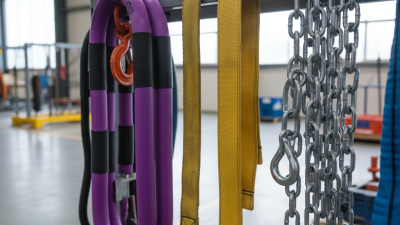
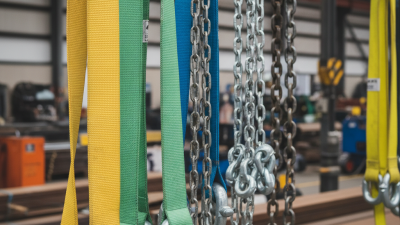
There are several types of webbing slings. Flat slings are often used for general purposes. They provide excellent strength-to-weight ratios, making them efficient for lifting heavy objects. Round slings are designed for more delicate tasks. They distribute load pressure evenly, reducing the risk of damage. Each type serves specific scenarios, and knowing these distinctions can improve safety and efficiency at work.
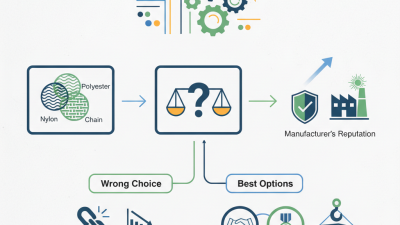
Materials also play a vital role. Polyester and nylon are the most common, with distinct characteristics. Polyester slings have low stretch and excellent UV resistance. They are preferred in outdoor environments. Nylon slings, on the other hand, offer higher elasticity. This can be advantageous when lifting dynamic loads. A 2022 report indicated that the global webbing sling market is projected to grow by 5.2% annually, emphasizing the increasing reliance on these lifting solutions. Choosing the right materials ensures not just safety but also compliance with industry standards.
How to Choose the Right Webbing Sling for Your Needs?
| Type of Webbing Sling |
Material |
Weight Capacity (tons) |
Common Uses |
Color Code |
| Flat Sling |
Polyester |
1 - 12 tons |
Construction, lifting |
Blue |
| Round Sling |
Nylon |
1 - 20 tons |
Rigging, heavy lifting |
Red |
| Synthetic Sling |
Polyester/Nylon Blend |
3 - 15 tons |
Marine, industrial |
Green |
| Webbing Strap |
Polyester |
1 - 5 tons |
Towing, securing |
Yellow |
Assessing Load Capacity and Safety Factors
When selecting a webbing sling, considering load capacity is crucial. Each sling type has a specified maximum load it can safely carry. Using a sling that exceeds its load limit is dangerous. This can lead to catastrophic failures, posing risks to both workers and equipment. Always check the manufacturer's guidelines to determine suitable loads.
Safety factors should never be overlooked. These factors account for unpredictable conditions, such as wear or environmental issues. A common safety factor is 5:1, meaning the sling should withstand five times its intended load. This extra margin can save lives. Yet, evaluating the appropriate safety factor can sometimes be challenging. Variables such as sling condition, load shape, and sling orientation must be considered for accurate assessments.
In practice, it’s essential to regularly inspect slings for wear and tear. A frayed or damaged sling can compromise safety, even if it meets initial specifications. Workers should be trained to recognize potential issues that can lead to failure. Engaging in ongoing education about proper use and inspection of slings can foster a culture of safety. Addressing uncertainties in sling selection can lead to more informed decisions.
Determining Sling Length and Width for Your Application
Choosing the right length and width for your webbing sling is crucial. The dimensions directly impact load capacity and safety. Start by measuring the weight of the load you intend to lift. This number helps you to select a sling with adequate strength. For example, a heavier load might need a thicker sling. Width also matters; wider slings distribute weight better, reducing wear and tear on both the sling and the load.
Consider the lift points as well. The distance between them affects the required length of the sling. If the lift points are too far apart, you’ll need a longer sling. However, using a sling that is too long can cause the load to sway dangerously. It's a balance. A good practice is to account for additional length that may be needed due to angles in your lift. A slight miscalculation can lead to unsafe lifting conditions.
Reflect on previous experiences if you've used webbing slings before. Mistakes like choosing a length that was too short can lead to frustration. Meanwhile, a sling that was too wide can even feel unwieldy. Each application is unique. Make adjustments based on what you learned. Evaluate the dimensions based on real-world usage. A thorough understanding ensures that you select the best webbing sling for your specific task.
Evaluating Environmental Conditions and Usage Scenarios
When selecting a webbing sling, it's crucial to evaluate the environmental conditions in which it will be used. Each environment presents unique challenges, such as temperature extremes, moisture levels, and potential exposure to chemicals. For instance, a recent industry report indicated that slings exposed to high heat can lose up to 15% of their strength. So, if you're working in high-temperature settings, consider materials designed for such environments.
Usage scenarios also play a vital role in your choice. If the sling will be used for lifting or securing heavy loads, the risk of abrasion becomes a concern. According to the Global Association of Risk Professionals, the majority of sling-related accidents stem from improper selection based on usage. In rugged conditions where sharp edges are present, opting for a protected or coated sling can provide added durability.
It's essential to assess your needs based on actual workload scenarios. Not all slings perform well under every condition. Evaluate how often you will use the sling and the nature of the loads involved. More frequent use may necessitate a more robust option. Always remember to consult your operational guidelines and safety certifications while making this decision.
Maintenance and Inspection Practices for Webbing Slings
Webbing slings are essential in various lifting applications. However, regular maintenance and inspection are crucial to ensure safety and longevity. According to industry standards, over 70% of sling incidents stem from improper inspection or maintenance practices. Inspecting slings at least once a month is advised. Focus on wear and tear, fraying, and color fading. Even minor signs can indicate potential failure.
Proper storage can significantly enhance the lifespan of webbing slings. Extreme temperatures, moisture, and direct sunlight can degrade the materials. A recent report noted that slings stored in optimal conditions saw a 30% lower failure rate compared to those improperly stored. Additionally, using protective sleeves can help mitigate damage during use. It’s important to reflect on current practices. Are slings being inspected and stored correctly? Recognizing gaps in these processes can prevent serious accidents.
Training employees on inspection techniques is another key factor. Data shows that facilities providing proper training reduce incident rates by up to 40%. Encourage workers to document inspections meticulously. This practice not only promotes accountability but also helps in identifying trends. Regular training refreshers can reinforce the significance of maintaining webbing slings. Assess current protocols and make necessary adjustments for a safer work environment.