Top 10 Essential Tips for Choosing the Best Cam Straps for Your Needs
Choosing the right cam straps is an essential aspect for anyone looking to secure items effectively during transportation or storage. Whether you are an outdoor enthusiast, a hobbyist working on projects, or simply someone wanting to keep their belongings organized, selecting the best cam straps can greatly enhance your experience. This guide presents the top ten essential tips for choosing cam straps that cater to your specific needs, ensuring that you make an informed decision.
Understanding the various features and functionalities of cam straps is crucial for selecting the right type. From the material they are made of, to the length and width, each factor can significantly impact their performance. Additionally, considering the weight capacity and the intended use can help in narrowing down your options. In a world filled with diverse choices, having a clear insight into what makes cam straps effective will empower you to choose wisely, ensuring the safety and security of your cargo.
Join us as we explore these vital considerations, helping you navigate through the sea of options to find the perfect cam straps tailored to your needs, ensuring peace of mind whether you’re on an adventure or managing day-to-day tasks.
Understanding the Different Types of Cam Straps Available
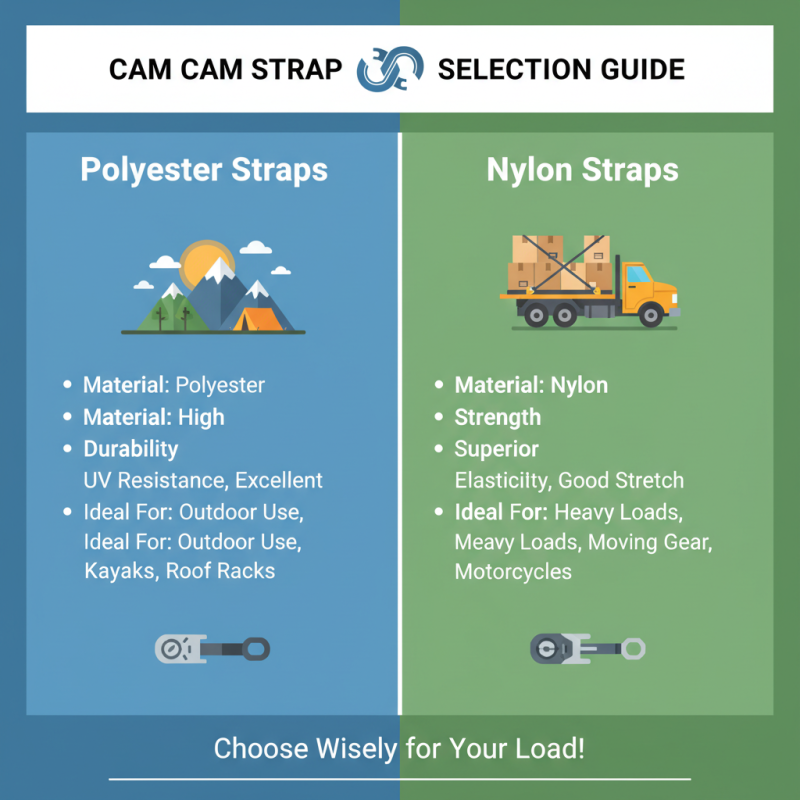
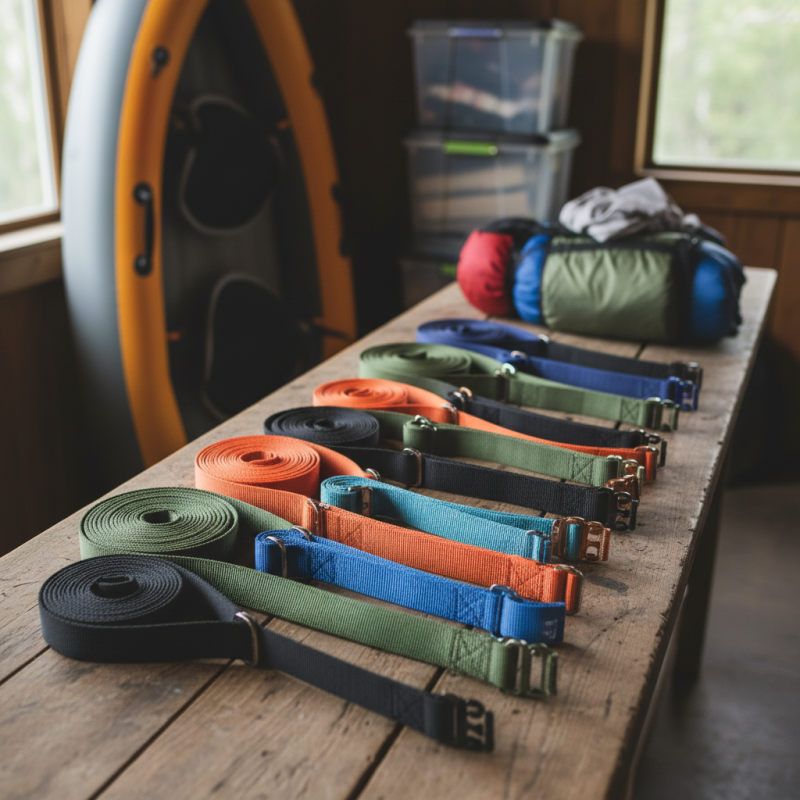
When it comes to selecting the right cam straps, understanding the various types available is crucial to making an informed choice. Cam straps typically come in different materials, lengths, and strengths to suit a wide range of applications. For instance, polyester straps are popular due to their durability and resistance to UV rays, making them ideal for outdoor use. Alternatively, nylon straps are known for their elasticity and strength, which provide excellent performance when securing heavier loads.
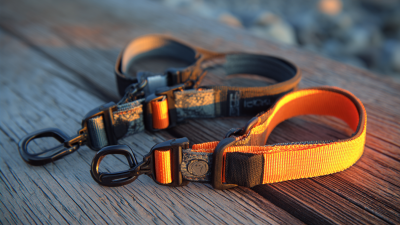
Moreover, cam straps also vary in width and design features. Wider straps distribute pressure more evenly, reducing the risk of damage to the cargo, while narrower straps can be more convenient for lighter applications. Some cam straps might come with additional features such as quick-release buckles or padded grips, enhancing usability and comfort during use. It's important to assess the specific requirements of your task—such as load weight, weather conditions, and frequency of use—to choose the most suitable type of cam strap for your needs. Understanding these variations can significantly impact the functionality and effectiveness of your securing solutions.
Evaluating the Load Capacity and Strength Requirements
When selecting cam straps, one of the most crucial aspects to consider is the load capacity and strength requirements. Knowing the intended use of the straps will help you evaluate how much weight they need to bear safely. For instance, if you're securing lightweight gear for a weekend camping trip, a strap with a lower load capacity may suffice. However, for heavier loads, such as hauling equipment for shipping or outdoor activities, it’s essential to choose straps that can handle significantly more weight than what you plan to transport.
In addition to load capacity, assessing the material and construction of the cam straps is vital for ensuring they meet your strength requirements. High-quality materials, such as polyester or nylon, offer durability and resistance to wear and tear. Look for straps that feature reinforced stitching and robust cam locks, as these elements contribute to the overall strength and longevity of the straps. Before making a purchase, always check the manufacturer's specifications for the maximum load capacity, and consider conducting tests with lighter loads first to ascertain their performance under stress, ensuring your safety and reliability during use.
Assessing the Material and Durability for Outdoor Use
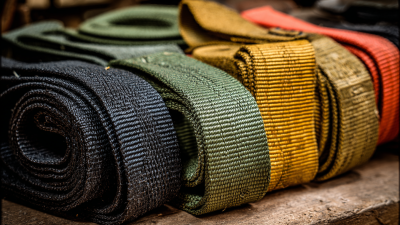
When selecting cam straps for outdoor activities, the material and durability are paramount considerations. Outdoor environments can be harsh, exposing gear to elements like UV rays, moisture, and extreme temperatures. Therefore, straps made from robust materials such as high-quality nylon or polyester are often preferred, as they provide superior strength and resistance to wear and tear. Additionally, look for straps that feature a reinforced stitching technique, which enhances their longevity and ability to handle heavy loads without fraying or breaking.
Moreover, it is vital to consider the weather resistance of the materials used in cam straps. Straps that are coated with UV-resistant treatments can prevent degradation from sun exposure, while water-resistant or quick-drying fabrics are essential for maintaining functionality in rainy or humid conditions. Opting for lighter materials that still provide high tensile strength can play a significant role in making your outdoor endeavors more convenient, especially when weight is a concern. By prioritizing these factors, you can ensure that your cam straps will perform reliably in any outdoor setting, providing peace of mind during your adventures.
Top 10 Essential Tips for Choosing the Best Cam Straps for Your Needs - Assessing the Material and Durability for Outdoor Use
| Tip No. |
Essential Tip |
Material Consideration |
Durability Rating |
| 1 |
Check Weight Capacity |
Polyester |
High |
| 2 |
Look for UV Resistance |
Nylon |
Moderate |
| 3 |
Consider Length Options |
Polypropylene |
Moderate |
| 4 |
Assess Buckle Strength |
Aluminum |
High |
| 5 |
Choose Quality Stitching |
Nylon Thread |
High |
| 6 |
Evaluate Stretch Resistance |
Cotton Blend |
Low |
| 7 |
Check for Tensioning Features |
Polyester |
Moderate |
| 8 |
Inspect for Abrasion Resistance |
Nylon |
High |
| 9 |
Determine Compatibility with Gear |
Polypropylene |
Moderate |
| 10 |
Read User Reviews |
Mixed Materials |
Varies |
Determining the Appropriate Length and Width for Your Needs
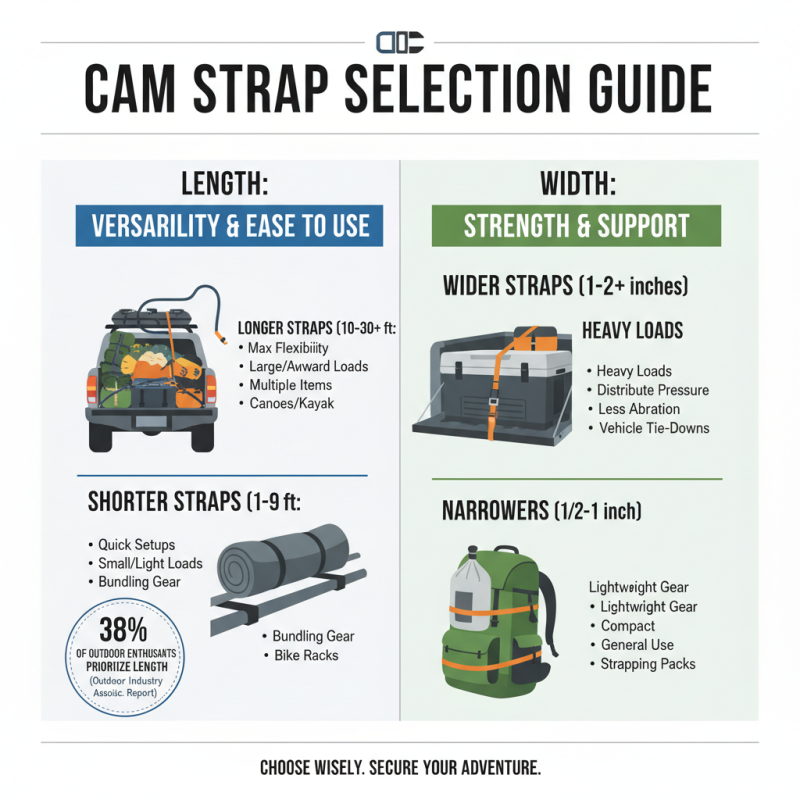
When choosing cam straps, determining the appropriate length and width is crucial to ensure they effectively meet your needs. The length of cam straps commonly ranges from 1 to 30 feet, catering to various applications, from securing lightweight gear to heavy luggage. According to a report by the Outdoor Industry Association, approximately 38% of outdoor enthusiasts prioritize strap length when selecting their gear, as it impacts both versatility and ease of use. A longer strap allows for greater flexibility in tying down different sizes and shapes of loads, while shorter lengths can provide faster setups for quick tasks.
Width is another important consideration in strap selection. Typically, cam straps range from 0.5 inches to 2 inches in width. A wider strap distributes the load more evenly across surfaces, reducing the risk of damage to fragile items or surfaces. Moreover, studies indicate that wider straps can handle heavier loads with less chance of slippage or breakage, thus increasing safety during transport. The American National Standards Institute (ANSI) recommends choosing a strap width based on the intended load and use case, emphasizing that for heavier applications, wider and more robust straps can significantly enhance performance and reliability. Understanding these factors ensures you select the most appropriate cam straps for your specific needs.
Identifying Features and Add-ons for Enhanced Functionality
When selecting cam straps, it’s crucial to focus on the features and add-ons that enhance their functionality. For instance, the material of the strap plays a significant role in its strength and durability. According to industry reports, nylon straps are favored for their resistance to UV rays and weather conditions, making them ideal for outdoor activities. A breaking strength of at least 1,500 pounds is recommended for versatile use, catering to both light and heavy-duty tasks. Look for cam straps that incorporate reinforced stitching, as this can add to their overall integrity and lifespan.
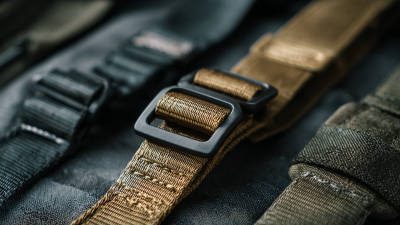
Additional features such as cam buckle design can also affect performance. A cam buckle with an ergonomic grip allows for easier adjustments, which is vital when securing loads in dynamic environments. Moreover, some straps come equipped with reflective stitching, enhancing visibility in low-light situations. This is particularly useful for outdoor enthusiasts who may find themselves in the dark. Reports indicate that products with added safety features, such as protective caps over the buckle, reduce the risk of accidental release during transport, thereby improving user confidence. These enhancements ensure that cam straps not only meet basic demands but also exceed safety and usability standards.
Top 10 Essential Tips for Choosing the Best Cam Straps