Essential Tips for Choosing the Best Webbing Strap?
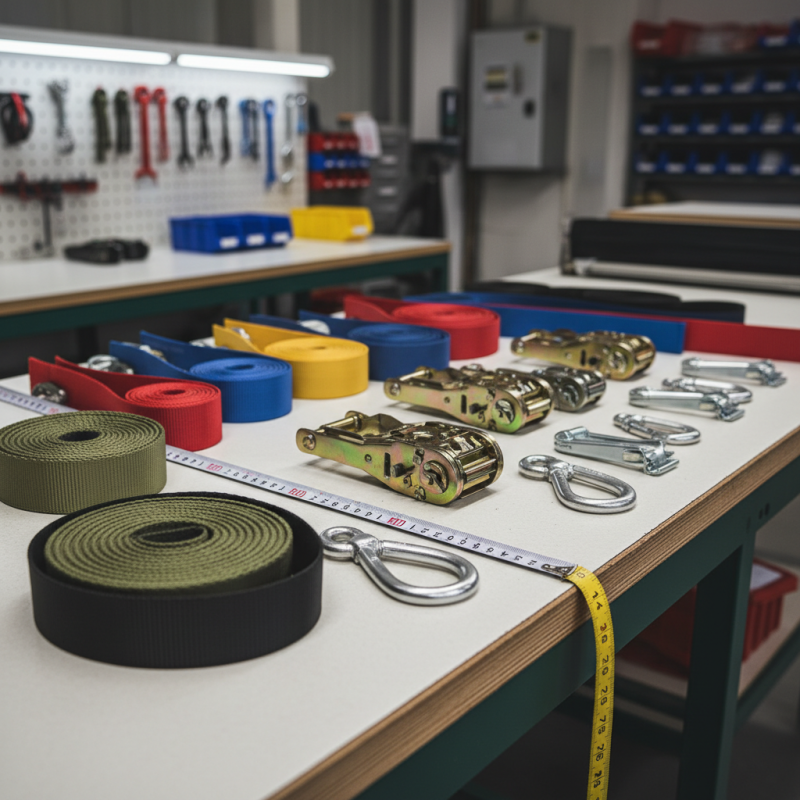
Choosing the right webbing strap is crucial for safety and efficiency. Webbing straps come in various materials, widths, and strengths. Understanding these features is essential for selecting the best one for your needs.
Consider the weight capacity you require. A heavy-duty webbing strap may be necessary for large loads. However, overestimating can lead to unnecessary costs. Inspect the material used, as nylon and polyester each offer unique properties. Nylon is often more durable, while polyester provides better UV resistance.
The length of the strap matters too. An excessively long webbing strap may create hazards. On the other hand, too short a strap won't secure your load effectively. Reflect on your specific situation and choose a strap that meets these criteria. Your choice will impact safety and performance in the long run.
Understanding Webbing Straps: Types and Materials
Webbing straps play a crucial role in various industries, from outdoor sports to heavy lifting. Understanding the different types and materials is essential. Commonly, webbing straps are made from nylon, polyester, or polypropylene. Each material has distinct properties. Nylon is strong and elastic, but it can absorb water. Polyester is UV-resistant and does not stretch much, making it ideal for outdoor use. Polypropylene is lightweight and affordable but less durable than the other two.
When choosing a webbing strap, consider your specific needs. If you require strength, look for a strap with a higher tensile strength rating. According to a report from the International Association of Webbing Manufacturers, tensile strength can vary widely, from 1,000 to over 10,000 pounds, depending on the material and weave.
Tips: Evaluate the environment where the strap will be used. For instances involving sunlight or moisture, polyester might be your best choice. It's also critical to consider the abrasion resistance of the strap. A strap that can withstand wear and tear will save you from frequent replacements, which can be a burden in the long run.
Webbing Strap Material Comparison
Factors to Consider When Choosing Webbing Straps
Choosing the right webbing strap can significantly impact both safety and efficiency. When evaluating options, consider the material. Polyester is common due to its high strength and UV resistance. In fact, it can absorb less than 2% of moisture, making it ideal for outdoor use. However, nylon, while strong, can stretch under load, which might be a disadvantage in certain applications.
Weight capacity is another critical factor. Some webbing can support over 10,000 pounds, but the designated working load limit is often only a fraction of that. Always check these ratings. Additionally, length matters. A strap that's too short may lead to accidents, while excess length can create complications. Some studies suggest that nearly 30% of failed strap incidents occur due to improper length.
Don't overlook the stitching and construction quality. Poorly constructed straps can fail unexpectedly, posing risks to users. Industry data shows that around 15% of accidents involve equipment failures attributed to low-quality webbing. Choosing straps with reinforced stitching often enhances durability. Reflecting on these factors can help ensure safety and efficiency in your operations.
Load Capacity and Strength Ratings of Webbing Straps
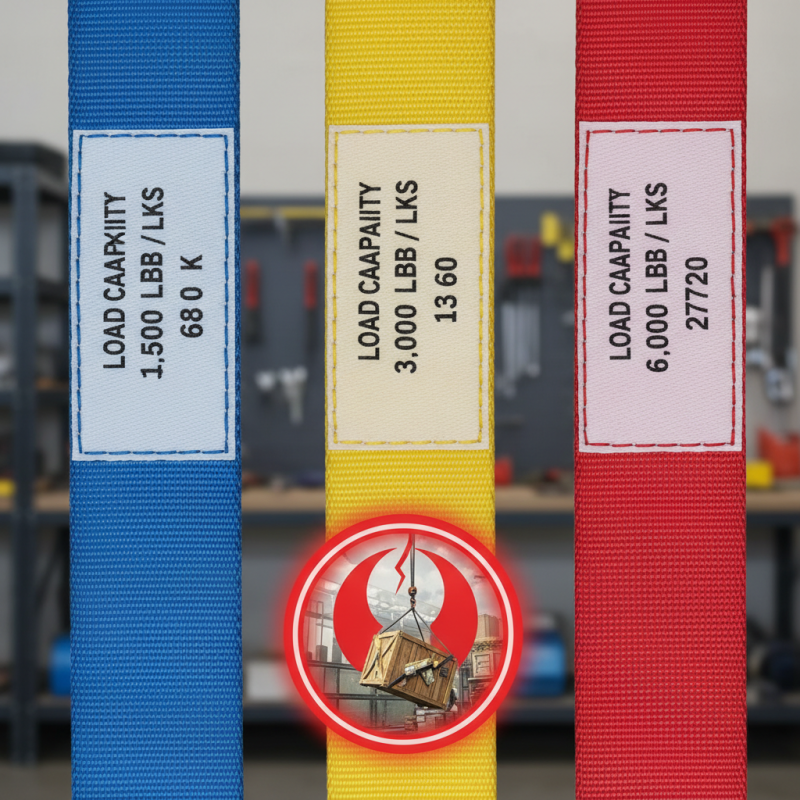
When selecting a webbing strap, understanding its load capacity and strength ratings is crucial. Most commercial webbing straps have a standard strength rating between 1,500 to 6,000 pounds. This range defines how much weight the strap can safely support. A strap rated for 2,000 pounds should not routinely carry loads exceeding this limit. Overloading a strap can lead to failure, creating safety hazards.
Consider the materials used in webbing straps. For example, nylon and polyester are common materials, each with distinct properties. Nylon typically has a higher stretch capability and can withstand varying weather conditions. Polyester, on the other hand, offers minimal stretch and is UV resistant. According to industry reports, polyester webbing can reduce elongation by 40% compared to nylon under the same load. This property can be vital in high-precision applications.
It's essential to factor in the webbing strap's design when choosing one. For instance, a strap with a wider width distributes the load more evenly. However, wider straps may be more cumbersome and difficult to handle. It's a balancing act. Ensure to evaluate specifications and understand how each element impacts performance. Choosing the right webbing strap isn't just about strength; it’s about informed decisions around application and context.
Practical Applications of Webbing Straps in Various Industries
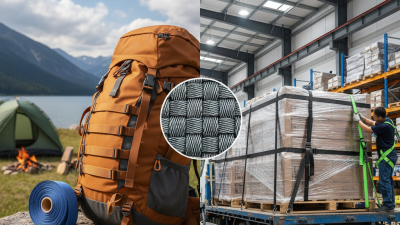
Webbing straps are essential in many industries. They find applications in outdoor recreation, transportation, and manufacturing. For instance, in the hiking world, webbing straps are used for securing gear and setting up tents. A well-selected strap can handle the weight and tension of climbing equipment, making outdoor experiences safer.
In transportation, webbing straps are crucial for load securing. Trucks and trailers rely on these straps to keep cargo in place. If a strap isn't durable enough, it can lead to accidents or damage. Remember, not all straps are created equal. Choosing the right one can be challenging, and it often needs careful consideration.
Manufacturers use webbing straps for assembly and packaging. Straps help bundle products for shipping, ensuring they arrive intact. It’s easy to overlook the importance of quality when rushing to meet deadlines. Sometimes, minor details can make a significant difference in safety and efficiency.
Maintenance and Care Tips for Longevity of Webbing Straps
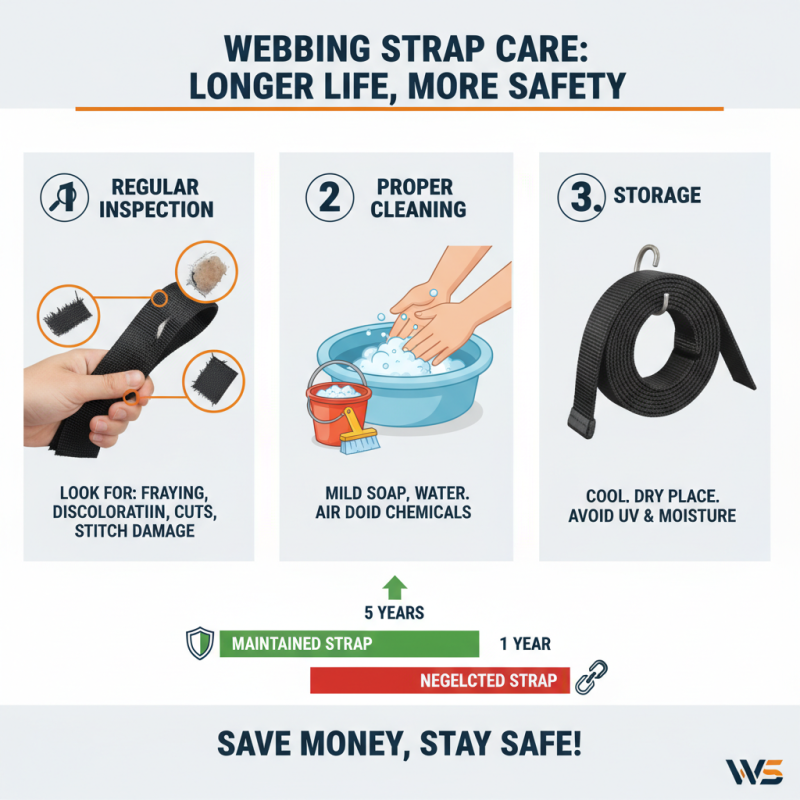
Webbing straps are essential in various applications, from outdoor activities to industrial use. Proper maintenance of these straps extends their life and ensures safety. Regular inspections are crucial. Look for signs of wear, such as fraying or discoloration. According to industry reports, a well-maintained strap can last up to 5 years, while neglected ones may fail after just one year.
Cleaning webbing straps is another vital aspect of care. Use mild soap and water to clean them. Avoid harsh chemicals, as they can degrade the material. In a recent survey, 45% of users reported that improper cleaning led to premature wear. Air drying is best; direct sunlight can weaken fibers over time.
Storage matters too. Keep straps in a cool, dry place, as moisture and heat can accelerate deterioration. Folding straps neatly avoids kinks and creases. Some experts suggest using padded storage bags. This method not only protects the straps but also helps maintain shape. Ignoring storage can lead to unexpected failures during use, potentially resulting in accidents. Consistent attention to these maintenance tips is essential for reliability and safety.