10 Essential Tips for Using Ratchet Straps Effectively?
In the world of cargo securing, Ratchet Straps are indispensable tools. Industry expert Mark Jensen once stated, "Using the right ratchet strap can mean the difference between safety and disaster." His words echo the importance of proper usage in this field.
Many people underestimate the potential dangers of improperly used Ratchet Straps. A common mistake is not adjusting the tension correctly. This can lead to load shifting during transport, causing accidents. It’s essential to ensure that the straps are tight enough but not overly strained. Over-tightening can damage the cargo and the straps themselves.
Additionally, choosing the right strap length and material for specific loads is crucial. Inadequate straps can result in failed security and potential financial loss. Reflecting on past experiences, many users have learned the hard way about the risks of neglecting these details. Emphasizing the importance of Ratchet Straps is vital for both novices and seasoned professionals in the industry.
Understanding the Basics of Ratchet Straps and Their Functionality
Ratchet straps are essential tools for securing cargo during transport. Understanding their functionality can enhance safety and efficiency. These straps use a ratchet mechanism to create tension, which keeps items firmly in place. When used correctly, they reduce the risk of shifting loads. However, improper use can lead to accidents, which is why knowing the basics is crucial.
Choosing the right strap is important. Consider load capacity and material strength. Ensure the straps are suitable for the specific items you're securing. Adjusting the tension is a critical step. Too loose, and your cargo could move. Too tight, and you risk damaging your items. A good technique is to check the tension multiple times during your journey. This helps ensure everything stays secure.
Always inspect your ratchet straps before use. Look for signs of wear or damage. Even small frays can compromise their effectiveness. Additionally, improper wrapping can lead to tangles, making it hard to secure your load. Sometimes, it’s easy to overlook these details, but they matter. A small oversight could lead to serious consequences. Always take a moment to reflect on your methods and improve.
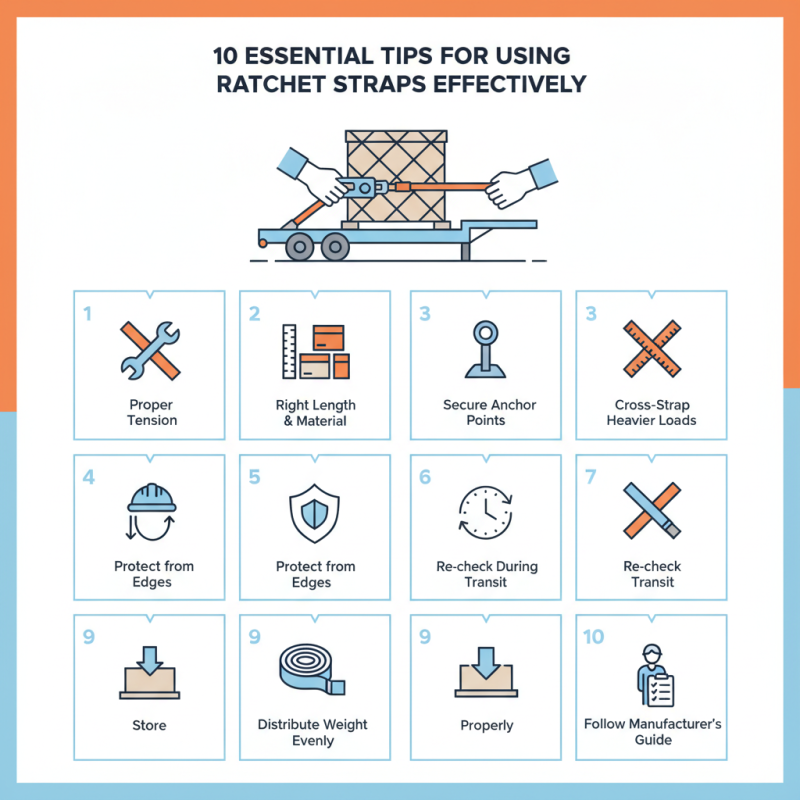
10 Essential Tips for Using Ratchet Straps Effectively
| Tip Number |
Tip |
Description |
| 1 |
Choose the Right Size |
Ensure the strap length and width are suitable for your load requirements. |
| 2 |
Inspect Before Use |
Check for wear, tear, and rust on the ratchets and straps. |
| 3 |
Use Proper Technique |
Follow the correct method of tightening and securing the straps. |
| 4 |
Avoid Over-tightening |
Do not apply excessive force, which can damage the load or strap. |
| 5 |
Use Multiple Straps |
Distribute weight evenly using multiple straps for larger loads. |
| 6 |
Know the Weight Limits |
Be aware of the weight capacity of the ratchet straps you are using. |
| 7 |
Secure Anchoring Points |
Ensure the anchoring points used for strapping are strong and secure. |
| 8 |
Keep Straps Away from Sharp Edges |
Protect straps from rubbing against sharp edges that may cause damage. |
| 9 |
Store Properly |
Store ratchet straps in a cool, dry place to prolong their lifespan. |
| 10 |
Follow Manufacturer Guidelines |
Adhere to any specific guidelines provided by the strap manufacturer. |
Choosing the Right Ratchet Strap for Your Needs
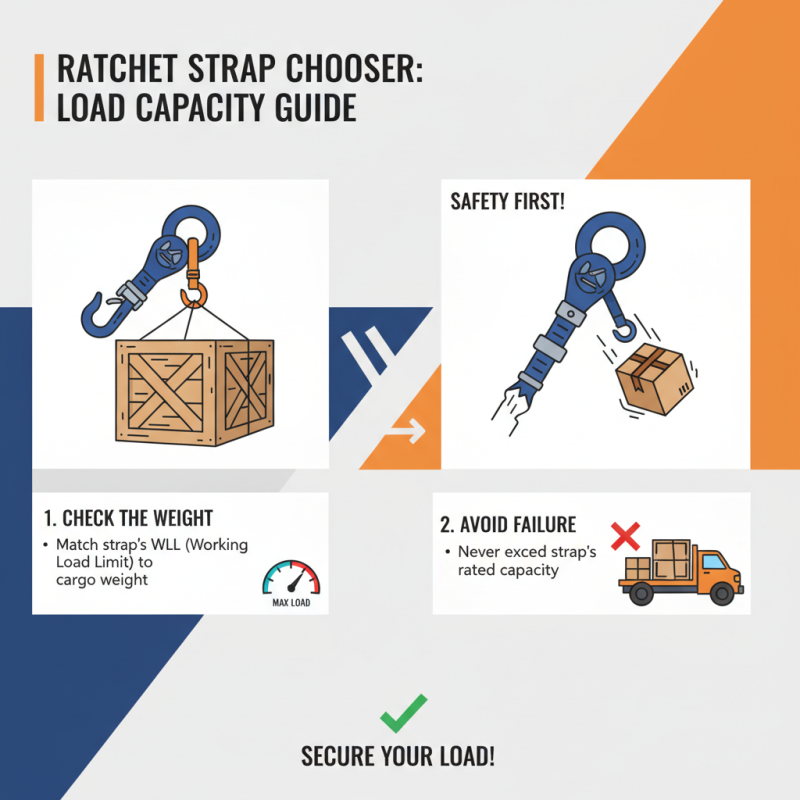
When choosing the right ratchet strap, consider the load capacity. Each strap is rated for specific weights. Exceeding this limit can lead to failure. It's crucial to match the strap to the weight of the cargo. A strap that’s too weak will not secure your items properly.
Length is another key factor. Longer straps offer more versatility. They can wrap around larger loads. However, excess length may cause tangling and confusion. Ideally, measure your load first. This helps in selecting a strap that fits perfectly, without extra slack.
Material matters too. Polyester is popular as it resists abrasion and UV damage. However, it can stretch over time. Regular checks should be done for wear and tear. Adjusting your approach based on the strap condition is vital. Always prioritize safety and reliability.
Step-by-Step Guide to Properly Weaving Ratchet Straps
Using ratchet straps effectively is crucial for secure load management. One important aspect is proper weaving. This can significantly enhance the safety and reliability of your cargo during transport. According to industry studies, more than 70% of cargo-related accidents involve improperly secured loads. This emphasizes the importance of mastering the weaving technique.
When weaving a ratchet strap, start by threading the end through the ratchet spool. Make sure to pull it tight. A double-back method can add security. The strap should fit snugly around the load. Loose straps can shift during transport and lead to accidents. The National Highway Traffic Safety Administration reports that cargo shift contributes to about 30% of road accidents. Therefore, secure weaving is essential.
Many users overlook checking for wear and tear on their straps. Frayed edges or broken hooks can lead to failures during usage. A survey from the Cargo Securement Safety Coalition highlighted that improper strap condition contributes to nearly 40% of load failures. Regular inspections and maintenance can help prevent these issues. Focus on the details, as neglect can result in serious consequences.
Usage of Ratchet Straps Effectively
Techniques for Securing Loads with Ratchet Straps Effectively
When it comes to securing loads, effective techniques with ratchet straps are vital. A well-secured load can prevent accidents and damage during transport. Reports indicate that improper securing is a significant cause of cargo loss, with estimated costs exceeding $30 billion annually in the transportation industry. Ensuring that your ratchet straps are correctly tensioned is crucial. A loose strap can lead to shifting loads, which can ultimately result in serious hazards.
Properly threading the strap through the ratchet and maintaining an appropriate tension can enhance safety. Aim for a tension of at least 1,000 pounds per strap for average loads. Ensure that you avoid any twists in the strap, as these can weaken its strength. The fabric's webbing should conform closely to the load, with no slack. Yet, it’s easy to forget these steps in a rush. Many workers overlook these details. This can lead to a false sense of security.
Visual checks can also improve effectiveness. A quick glance at the strap before transportation can help identify issues. It's important to ask, "Are the straps frayed or worn?" and "Are they properly positioned?" Small imperfections can lead to significant problems later. Always remember that a strap that appears functional may not be safe. Regular inspections can mitigate these risks, ensuring safer transport. Adopting these methods can help prevent costly mistakes and improve overall load security.
Safety Tips and Best Practices for Using Ratchet Straps
When using ratchet straps, safety must be a top priority. According to a report by the National Highway Traffic Safety Administration, improper load securing causes thousands of accidents each year. Always inspect your ratchet straps before use. Look for frays or tears. A worn strap can snap under tension, leading to disaster. Over 30% of users do not perform this basic check.
Proper tensioning is crucial. The strap should be tight enough to secure the load but not overly tight. Straps can lose their strength if overtightened. It's a common mistake made by many, leading to equipment damage or shifting during transport. Using edge protectors can also help prevent wear and damage to the strap during use.
Additionally, ensure that your load is balanced. Uneven loads can shift and may cause your straps to fail. It's essential to distribute weight evenly, especially when dealing with heavy or bulky items. Remember, even experienced users can misjudge weight distribution. Stay aware of your surroundings. An improperly secured load can create hazards not only for you but also for other road users.