2026 How to Choose the Best Nylon Sling for Your Needs?
Choosing the right Nylon Sling is crucial for safety and efficiency in various applications. As industry expert James Becker states, "A quality Nylon Sling can enhance your lifting operations significantly." This insight reflects the importance of understanding the specific needs of your projects.
When selecting a Nylon Sling, consider factors such as load capacity, environment, and usage frequency. Many users overlook the significance of inspecting slings regularly. A visual check can reveal wear and tear that might compromise safety. Over time, slings can degrade, impacting their performance. It's essential to balance strength and flexibility when making your choice.
Not all slings are created equal. Some may not withstand harsh environmental conditions. Additionally, the right sling should fit the lifting equipment you are using. Take time to research different brands and types. Ask questions and seek expert advice if needed. A thorough understanding of your requirements can prevent potential accidents and ensure reliable operation.
Understanding Nylon Slings and Their Applications
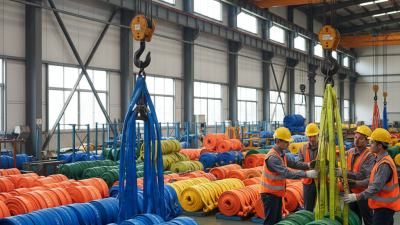
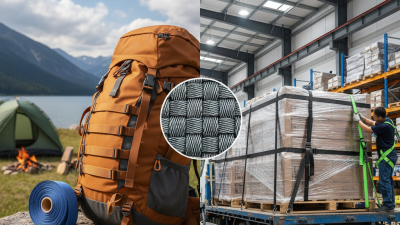
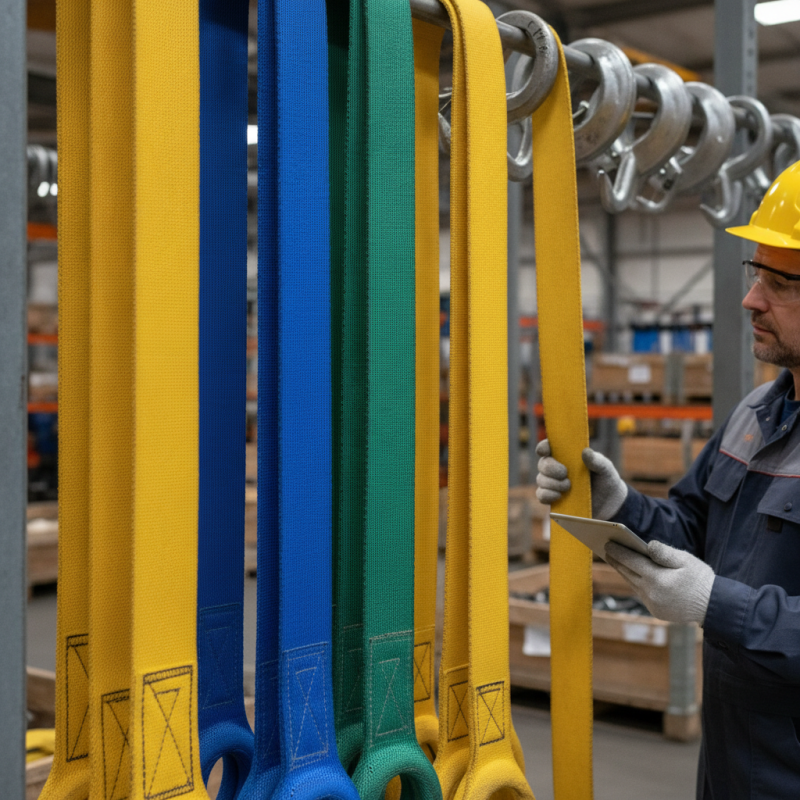
Nylon slings are versatile tools widely used across various applications. These slings are made from strong, synthetic fibers, providing durability and flexibility. They can lift heavy loads with ease, making them essential in construction, warehousing, and transport. They are often chosen for their ability to stretch, which helps absorb shock during lifting.
Understanding how to use nylon slings effectively requires knowledge. Each type of sling comes with specific strengths and weaknesses. Some may wear down faster when exposed to abrasive surfaces. Others may not be suitable for extreme temperatures. It's crucial to evaluate your operations and identify your specific needs. Misuse or inadequate knowledge can lead to accidents, undermining your safety protocols.
Inspecting your nylon sling regularly ensures reliability. Keep an eye out for fraying, cuts, or discoloration. These signs may indicate that it's time for replacement. Despite their ruggedness, nylon slings have limitations. They can degrade over time, especially if not stored properly. Awareness of these factors enhances your decision-making when selecting slings for your projects.
Key Factors to Consider When Choosing a Nylon Sling
When selecting a nylon sling, consider various critical factors. The material's strength is paramount. According to a 2022 report by the Synthetic Sling Association, nylon slings can support loads up to 6,000 pounds for a single strap. This strength makes nylon a preferred choice in many industries.
Next, assess the sling’s width and length. Wider slings distribute weight better, reducing the risk of wear and damage. The length should suit the specific lifting needs. Incorrect sizes can lead to inefficiencies. A study from Lifting Equipment Engineers Association indicates that improper sizing can increase the risk of accidents by around 40%.
Also, look into the maintenance requirements. Nylon slings can absorb moisture, which may weaken them over time. Regular inspections are crucial. Many users overlook this aspect. It's essential to remember that regular care can extend the sling’s life significantly. Keeping these factors in mind ensures you make an informed choice while selecting a nylon sling tailored to your specific lifting needs.
Types of Nylon Slings: Identifying Your Options
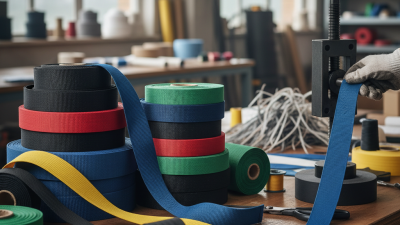
When selecting a nylon sling, understanding the types available is crucial. Nylon slings come in various styles, each designed for specific needs. Flat slings are versatile and lightweight, ideal for general lifting tasks. They can be easily folded to suit different loads. Round slings, on the other hand, provide a constant lifting surface, making them suitable for heavy-duty applications.
Another type is the web sling, which features reinforced stitching. These are perfect for heavy loads that require extra durability. Consider the environment where the sling will be used. Some slings may not perform well in certain weather conditions or with specific chemicals. Always evaluate these factors before making a choice.
It's vital to understand the weight capacity of each sling. Using a sling beyond its limit can lead to dangerous situations. Testing slings after prolonged use also helps ensure their reliability. Remember, a small oversight could result in significant consequences. So, choosing the right type of nylon sling requires careful consideration.
2026 How to Choose the Best Nylon Sling for Your Needs? - Types of Nylon Slings: Identifying Your Options
| Type of Nylon Sling |
Load Capacity |
Common Uses |
Length Options |
Care Instructions |
| Flat Nylon Sling |
1,000 - 12,000 lbs |
Heavy lifting, industrial applications |
2 ft - 20 ft |
Hand wash, hang dry |
| Round Nylon Sling |
1,600 - 45,000 lbs |
Lifting loads with odd shapes |
3 ft - 30 ft |
Machine wash, air dry |
| Webbing Sling |
1,000 - 10,000 lbs |
Construction and rigging tasks |
1 ft - 15 ft |
Spot clean, air dry |
| Synthetic Choker Sling |
3,000 - 12,000 lbs |
Choking applications, versatile lifting |
2 ft - 20 ft |
Spot clean, hang dry |
Assessing Weight Capacity and Safety Ratings
When selecting a nylon sling, weight capacity and safety ratings are crucial. Understanding these aspects can greatly enhance your usage experience. Each nylon sling has a specific load limit. This limit indicates how much weight the sling can safely bear. Exceeding this limit can lead to failures. Always check the manufacturer’s specifications for accurate numbers.
Safety ratings come into play when assessing the reliability of the sling. Different slings undergo various testing procedures. These tests help determine their strength and durability. Look for slings that meet or exceed industry standards. A high safety rating can make a significant difference in critical operations.
While it is essential to prioritize capacity and ratings, it’s equally important to evaluate the working conditions. Factors like temperature, abrasion, and wear can affect performance. Sometimes, users overlook these details. Reflecting on your environment can save you from potential mishaps. Each choice should be an informed decision, ensuring your safety and the effectiveness of your work.
Maintenance and Care Tips for Nylon Slings
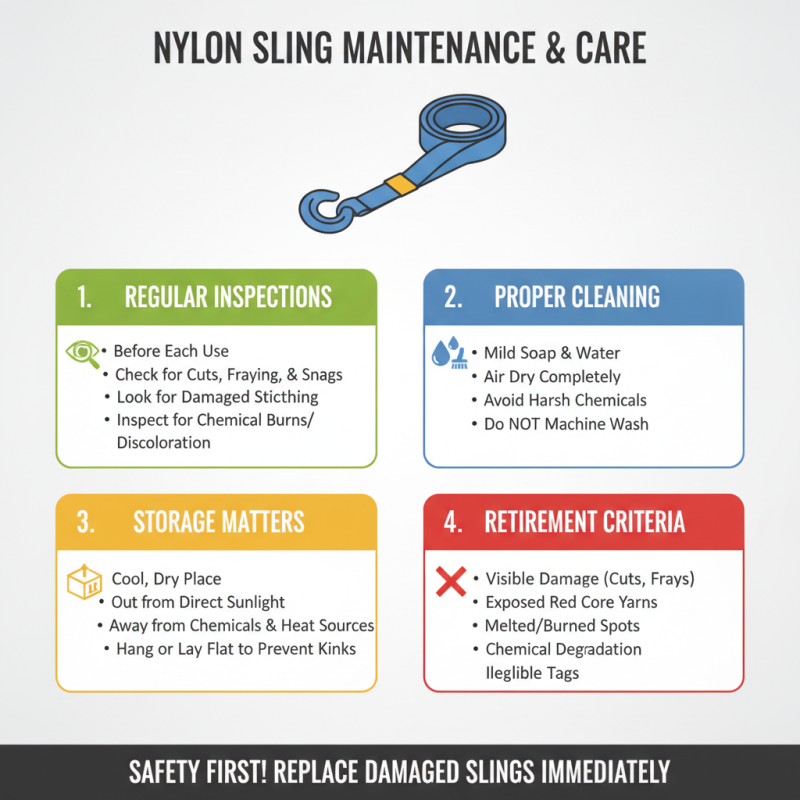
Nylon slings are known for their strength and versatility. However, maintaining these crucial tools is essential for safety and longevity. Regular inspections can prevent accidents. According to industry studies, improper care can reduce sling lifespan by up to 50%.
When cleaning your nylon sling, use mild soap and water. Avoid harsh chemicals that can weaken the fibers. After cleaning, air dry them completely in a shaded area. Excessive heat or direct sunlight can cause degradation. Always inspect for wear and tear before each use. If you notice fraying or discoloration, replace the sling.
Tips for maintaining nylon slings: Store them in a cool, dry place to avoid moisture damage. Keeping them out of direct sunlight extends their usability. Consider routine checks every three months to ensure your equipment meets safety standards. Regular care not only extends the sling's life but ensures reliable performance during critical operations.