Nylon Sling Tips for Choosing the Right One for Your Needs
Choosing the right Nylon Sling is crucial for safety and efficiency. According to industry expert James Holloway, "Selecting the appropriate sling can make all the difference in your lifting operations." With numerous options available, the selection process can feel overwhelming.
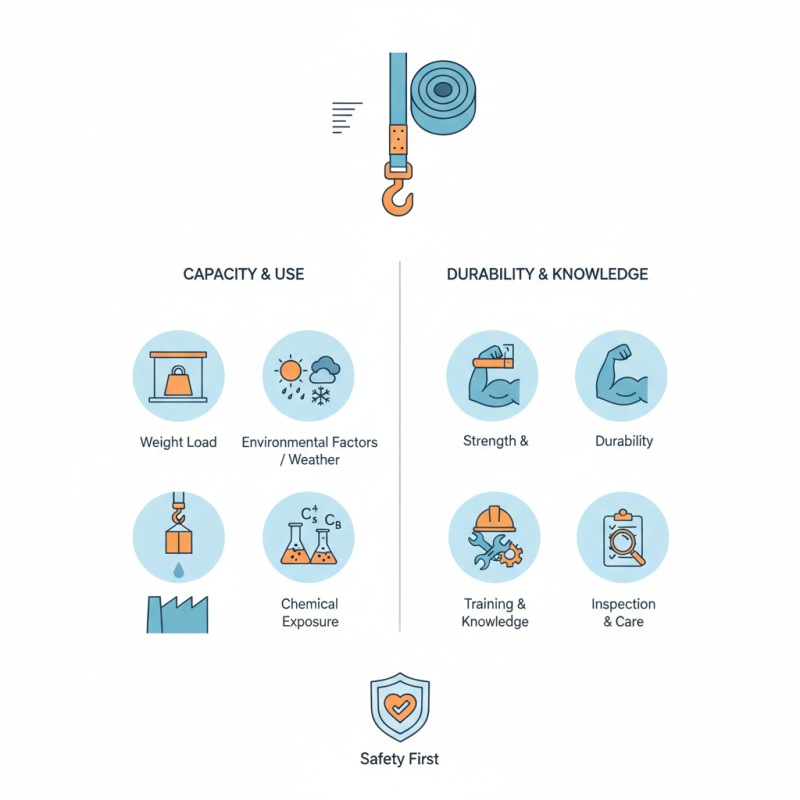
A Nylon Sling must fit specific needs. Consider the weight you intend to lift and the environment in which you'll use it. Factors like weather conditions and chemical exposure matter. Not all slings offer the same durability or strength.
It’s easy to overlook the small details in selection. Misjudging the weight capacity or choosing a sling that lacks proper care can lead to serious issues. Proper training and knowledge are essential. Reflect on your experiences to make the best choice. Your safety depends on it.
Understanding Nylon Sling Types and Their Applications
When selecting a nylon sling, understanding the different types is crucial. There are several categories, including flat, round, and endless slings. Each has unique applications based on material properties and design. For example, flat slings are ideal for heavy loads in rigging, while round slings excel in lifting irregularly shaped items. It's essential to match the sling type with the specific lifting task. According to industry reports, improper sling choice can lead to serious accidents, with a significant percentage of incidents due to equipment failure.
Additionally, checking the working load limit is vital. Most slings display this information clearly, but it’s easy to overlook. A sling that is too weak can snap under pressure. Research indicates that nearly 20% of accidents arise from using inadequate slings. Maintaining a comprehensive understanding of the lifting needs and potential hazards significantly impacts safety.
User education is crucial as well. Many users think all nylon slings are interchangeable, leading to careless choices. Training on the various types and their uses can prevent mishaps. Some might consider this information basic, but statistics show a lack of understanding in the field. Focused education could reduce risks substantially. Keep in mind, choosing the right nylon sling isn’t just about compliance; it’s about safety and efficiency in every lifting operation.
Evaluating Load Capacity and Strength Requirements
Choosing the right nylon sling involves evaluating load capacity and strength. You must know the weight of the items you'll lift. Each sling has a specific working load limit. This limit is critical for safety. Exceeding it can lead to accidents.
Consider the environment where you'll use the sling. Is it exposed to heat or abrasive surfaces? Nylon slings can degrade under certain conditions. This degradation weakens their strength.
Do you know the factors that can affect the sling's performance? From UV damage to chemical exposure, these are worth assessing.
It's also vital to consider your own lifting techniques. Improper use can exceed load limits, even with the right sling. Are you lifting correctly? Misjudging loads can result in failure.
Reflect on your approach to ensure you maximize safety and efficiency. Taking all these factors into account will help you make better decisions.
Assessing Sling Length and Size for Your Specific Needs
When selecting a nylon sling, length and size are crucial factors. A sling that is too short can lead to tension issues. Conversely, a sling that is excessively long may result in unnecessary slack. Industry guidelines suggest that sling length should accommodate your specific application. Misjudging these dimensions can hamper safety and efficiency.
Typically, slings come in various lengths. A common range is between 6 to 30 feet. According to a recent report by the American National Standards Institute (ANSI), correct sizing improves load stability by up to 25%. This statistic highlights the importance of precision. Many users ignore their specific needs, leading to potential risks.
Consider the nature of your tasks. Are you lifting heavy machinery or lighter items? Each scenario demands different sling sizes. A general recommendation is to assess your maximum load weight. Use this information to determine the right sling dimensions. If you're unsure, consult with a safety expert. Oversizing or undersizing your sling can cause accidents. Prioritizing correct measurements is essential for safe operations.
Comparing Material Properties: Nylon vs. Other Sling Materials
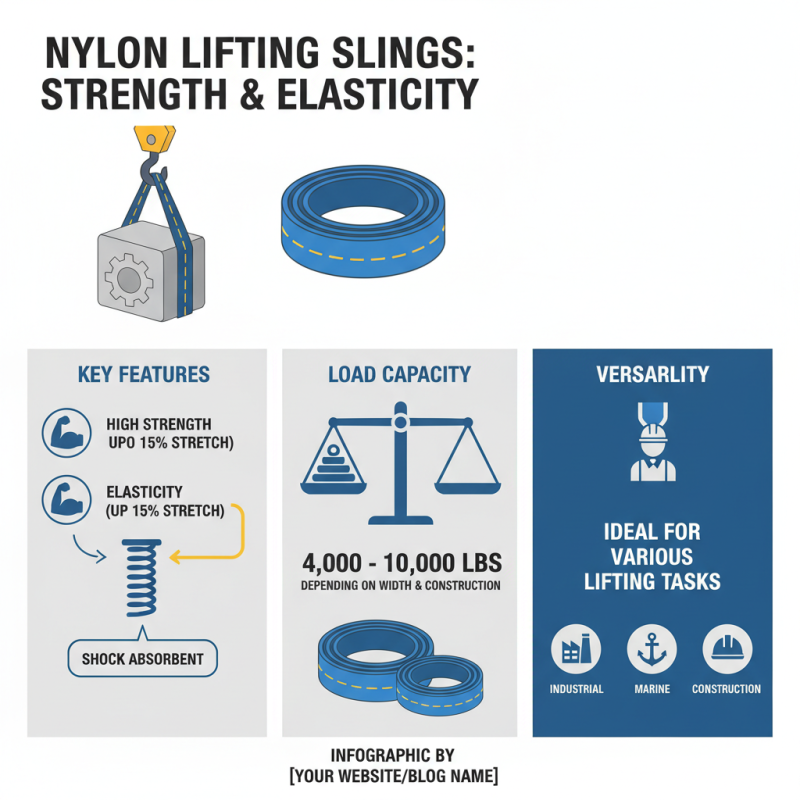
When comparing nylon slings to other materials, several factors emerge. Nylon is renowned for its strength and elasticity. It can stretch up to 15% under load, which helps to absorb shocks. According to industry reports, nylon slings can handle loads between 4,000 to 10,000 pounds, depending on their width and construction. This makes them versatile for various lifting tasks.
However, nylon isn’t always the best choice. Polyester, for example, is less elastic. It provides lower shock absorption but offers superior UV resistance. For prolonged outdoor use, polyester may outshine nylon. Moreover, metallic slings have higher durability but are heavier to handle. Each material has advantages and drawbacks based on weight capacity, environmental factors, and usage frequency.
**Tip:** Consider your lifting environment. If it’s wet or exposed to sunlight, polyester or synthetic options may be better. Weigh the load capacity you need. Don’t forget to check the sling’s wear and tear regularly. Regular inspection can prevent accidents and ensure safety. Understanding the properties of each material is crucial to making a wise choice.
Identifying Safety Standards and Compliance in Sling Selection
When choosing the right nylon sling, safety standards play a crucial role. Each sling must meet specific requirements for load capacity and use. Check for certifications that ensure compliance with safety regulations. Popular standards include those set by recognized industry organizations. Don’t overlook these details; they could save lives or prevent injuries.
Always inspect slings closely before use. Look for signs of wear, fraying, or cuts. These imperfections may seem minor but can lead to failures. It's better to be cautious. However, not everyone takes this seriously, leading to potential risks. Regular training can help workers understand the importance of compliance and inspection.
Consider the environment where the sling will be used. Factors like temperature and exposure to chemicals can affect its performance. Many neglect these conditions, assuming slings are durable. This can create vulnerabilities that often go unnoticed. Reflect on your choices and prioritize safety to protect both equipment and personnel.