What is a Nylon Sling and How is it Used?
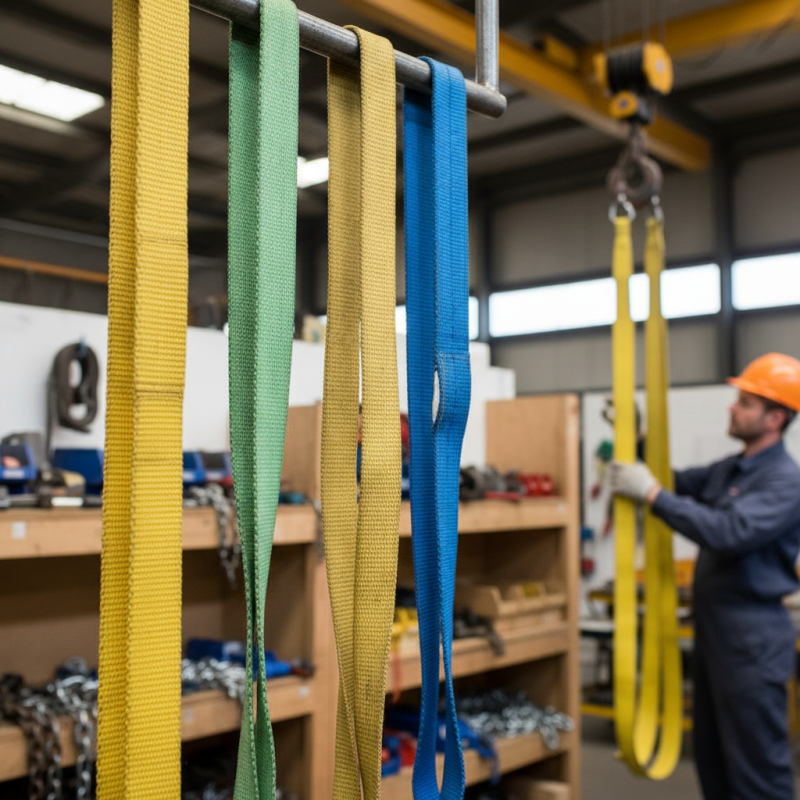
Nylon slings are essential tools in various industries. They are renowned for their strength and versatility. John Smith, a leading expert in rigging, once said, "Nylon slings provide an unmatched balance of durability and flexibility." This balance makes them invaluable for lifting and securing loads.
These slings come in different sizes and configurations, each suited for specific tasks. Their lightweight design allows for easy handling. Yet, improper use can lead to accidents. Many users underestimate their strength limits or forget proper maintenance, which can lead to wear and tear.
Despite their reliability, nylon slings are not without flaws. For example, exposure to chemicals can weaken them. Users must remain vigilant about their slings' condition. Insight from industry professionals like Smith emphasizes the need for regular inspections. These reflections serve as important reminders in the safe use of nylon slings.
What is Nylon and Its Properties?
Nylon is a synthetic polymer known for its unique properties. It is durable, flexible, and resistant to abrasion. Many industries utilize nylon for its strength. This material does not stretch much, making it ideal for various applications. It can withstand extreme temperatures, both hot and cold. Moreover, nylon resists mold and mildew, which adds to its appeal in outdoor gear.
Nylon is often used in textiles, ropes, and slings. Its lightweight nature makes it easy to handle. However, it can be affected by UV exposure over time, leading to degradation. Users should regularly inspect nylon products for wear and tear. While nylon is strong, improper use may lead to failure. It's essential to understand the limits of the material and use it wisely. Failure to do so may result in unexpected accidents or damage. The balance between strength and care is crucial in maximizing nylon's potential.
Nylon Sling Usage and Properties
The chart above illustrates key properties of nylon slings, including their tensile strength, elongation at break, temperature resistance, and weight per meter. These properties make nylon slings highly effective for various lifting and rigging applications.
Definition and Characteristics of Nylon Slings
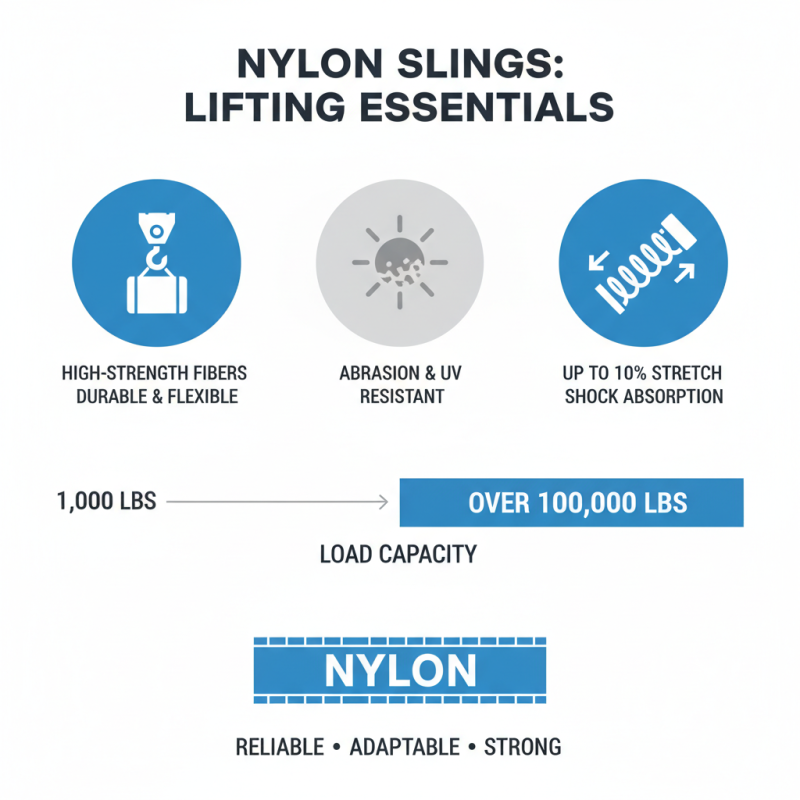
Nylon slings are essential tools in lifting and rigging industries. They are made from high-strength nylon fibers, which provide durability and flexibility. Their unique properties include resistance to abrasion and UV damage, making them suitable for various environments. The load capacity of a nylon sling typically ranges from 1,000 to over 100,000 pounds, depending on its design and width. In contrast to other slings, nylon slings can stretch up to 10% under load, which helps absorb shock during lifting operations.
Tips: Always inspect slings before use. Look for any signs of wear or damage. It's crucial for safety.
Nylon slings also come in various configurations, such as flat webbing or round slings. Each type serves specific tasks. Flat slings have a wider surface area, making them ideal for spreading load stress. Round slings are better for multi-directional lifting. However, selecting the wrong type can lead to potential hazards.
Consider the environment too. Excessive heat or chemicals can weaken nylon slings. Awareness of these factors is vital for safe operations. While nylon slings are robust, they require proper maintenance. They should be stored away from direct sunlight and moisture to prolong their life.
Common Uses of Nylon Slings in Various Industries
Nylon slings are essential tools in various industries, providing reliable lifting and pulling capabilities. They are versatile and strong, making them popular in construction, manufacturing, and logistics. These slings can handle heavy loads with ease, offering both durability and flexibility.
In the construction sector, nylon slings are often used to lift beams and other heavy materials. Their lightweight design allows for quick adjustments. However, ensuring the correct weight capacity is crucial. Overloading a sling might lead to accidents, putting workers at risk.
In logistics, nylon slings can efficiently secure loads during transport. They provide excellent grip and stability. One critical tip here is to inspect slings regularly. Check for fraying or signs of wear. This maintenance step is often overlooked but essential for safety.
In manufacturing, these slings aid in moving machinery during assembly. They can be wrapped and configured in various ways to suit different tasks. Still, users must consider the specific needs of each lift. Not all nylon slings fit every job seamlessly. Matching the sling type to the task is vital for optimal performance.
Benefits of Using Nylon Slings Over Other Materials
Nylon slings have gained popularity in various industries due to their unique benefits. One significant advantage is their exceptional strength-to-weight ratio. According to the Occupational Safety and Health Administration (OSHA), nylon slings can support loads of up to 10 tons while weighing significantly less than polyester alternatives. This makes them an excellent choice for transporting heavy materials with minimal effort.
Moreover, nylon is highly resistant to abrasion. A study by the American Society of Testing and Materials (ASTM) highlights that nylon slings can endure harsh conditions without easily wearing out. This durability makes them a preferred option in both construction and shipping industries. In addition, nylon resists UV exposure better than many other materials, prolonging its lifespan.
However, there are potential drawbacks. Nylon slings can absorb moisture, which may weaken their integrity over time. Users must regularly check for signs of wear or damage. Additionally, nylon's elasticity can lead to stretch under heavy loads, altering the way the load is handled. These factors require careful consideration when choosing slings for specific applications. The balance of benefits and challenges emerges clearly in these assessments.
Proper Care and Maintenance of Nylon Slings
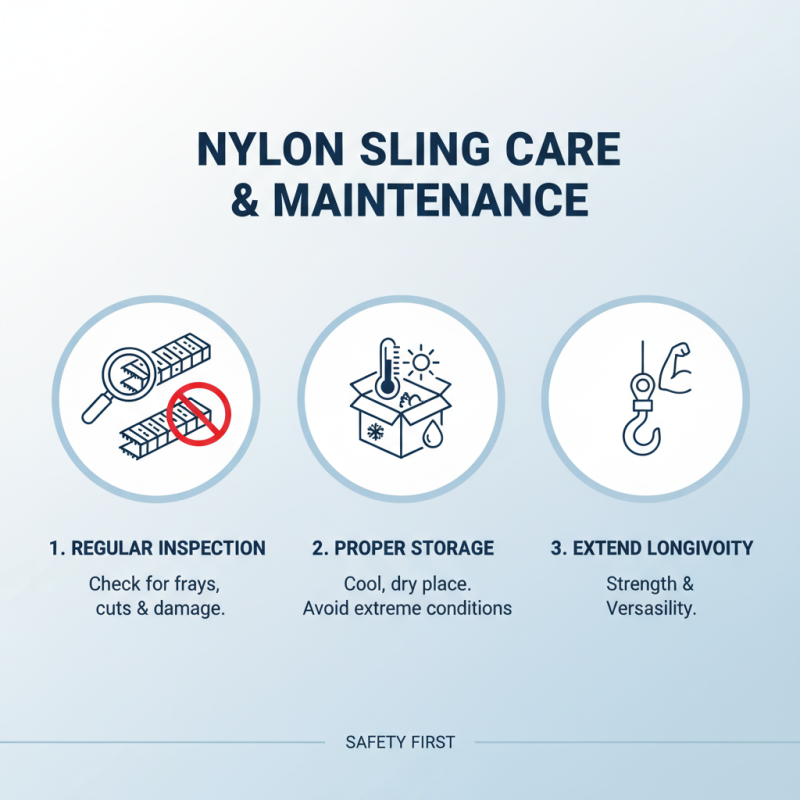
Nylon slings are popular in various industries due to their strength and versatility. However, proper care and maintenance are crucial for ensuring their longevity. Regular inspection is essential. Look for any signs of wear, such as frays or cuts. Even small damages can compromise safety. Store slings in a cool, dry place to avoid exposure to harsh conditions.
Cleaning is another vital aspect. Use mild soap and water to clean dirty slings. Avoid harsh chemicals that can degrade the material. After washing, let the slings dry completely before storing them. This prevents mold and mildew growth, which can be harmful.
Maintaining records of sling usage can also be beneficial. Note when slings were last used and inspected. It’s easy to overlook these details, but they matter. Adopting routine care practices keeps slings in good condition. Neglecting them can lead to unexpected failures. Take the time for proper maintenance; it’s worth the effort.