Top Benefits of Using Polyester Sling for Lifting and Rigging Applications
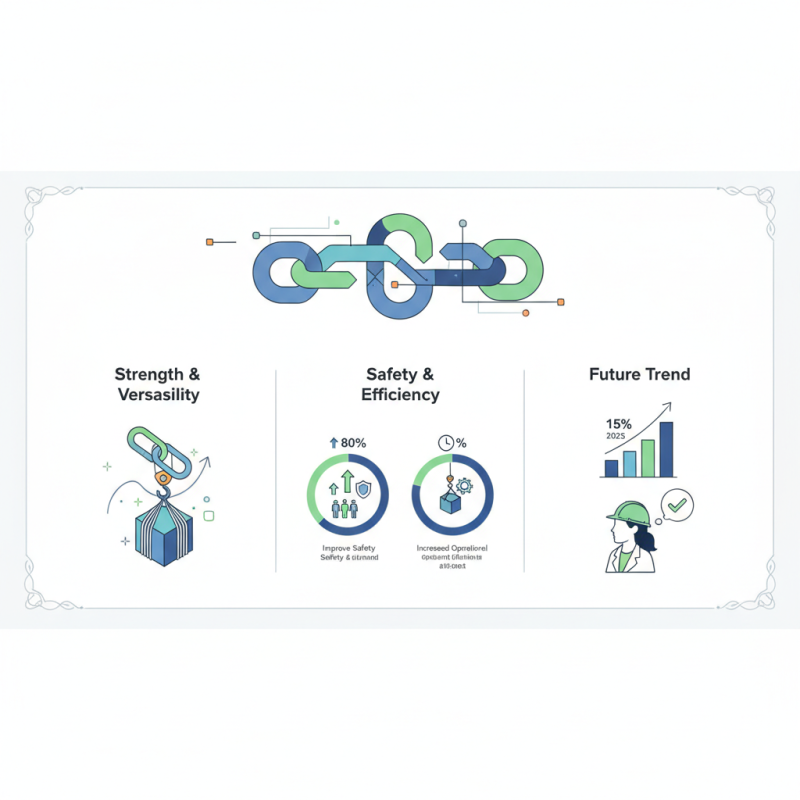
The use of Polyester Sling in lifting and rigging applications has gained significant traction in recent years due to its remarkable strength-to-weight ratio and versatility. According to a recent report by the International Rigging Association, the demand for synthetic slings, specifically Polyester Slings, is projected to increase by 15% annually through 2025, reflecting the growing preference for safe and efficient lifting solutions. Industry expert Dr. Emily Chen, a leading authority on lifting technologies, emphasizes the importance of material choice in rigging applications by stating, “The adoption of polyester slings not only enhances safety but also reduces the risk of load damage and increases operational efficiency.”
Polyester Slings offer numerous advantages over traditional lifting methods, such as chain or wire rope. With their exceptional flexibility and lightweight design, these slings can easily conform to loads of various shapes and sizes, making them ideal for a wide range of applications in construction, manufacturing, and logistics sectors. As reported by a study conducted by the Lifting Equipment Engineers Association, 80% of surveyed professionals noted a marked improvement in safety and handling efficiency upon switching to polyester slings. This trend underscores the significance of innovation in rigging practices, paving the way for enhanced safety measures and more effective load management in diverse working environments.
Benefits of Polyester Sling in Lifting Applications
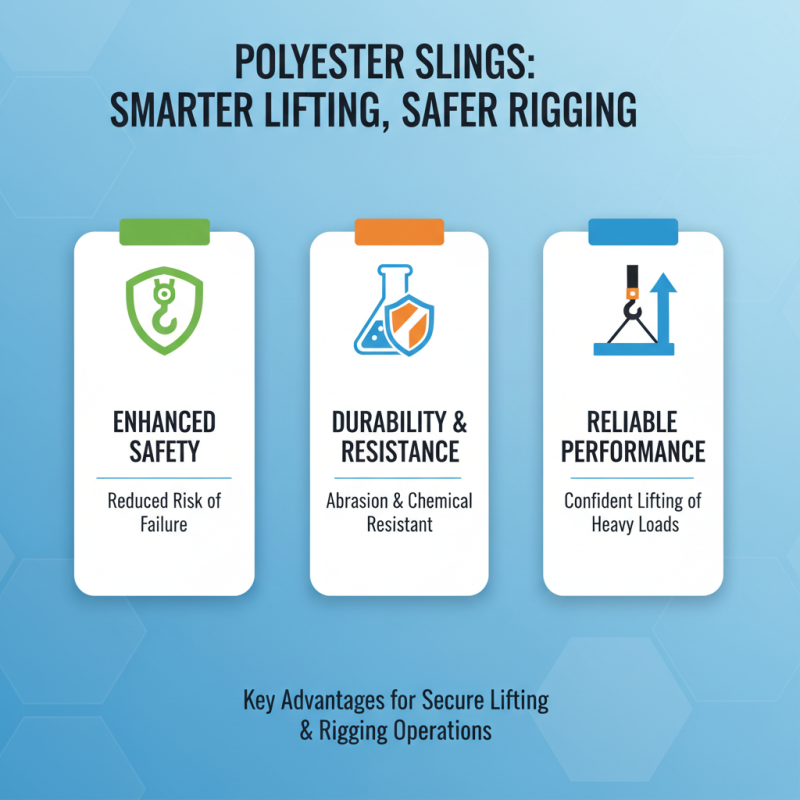
Polyester slings have grown in popularity for lifting and rigging applications due to their unique properties and advantages. One significant benefit of using polyester slings is their lightweight nature, which makes them easy to handle and maneuver during lifting tasks. This can ultimately lead to increased productivity, as workers can focus on the lift rather than struggling with heavy equipment. Furthermore, polyester slings are resistant to abrasion, UV rays, and chemicals, making them a durable choice for various industrial environments.
Another key advantage of polyester slings is their flexibility. This allows them to contour around the load being lifted, providing a secure grip without damaging the load. Additionally, polyester slings have a high strength-to-weight ratio, meaning they can safely lift heavy loads while being lighter than other materials. This enhances safety during lifting operations, as the slings are less likely to break or slip, mitigating the risk of accidents on the job site.
**Tips:** Always inspect your polyester slings for any signs of wear or damage before each use. Storing slings properly, away from direct sunlight and sharp objects, can prolong their lifespan and ensure optimal performance. Moreover, when selecting slings for specific lifting applications, consider the weight of the load and the required lifting angle to choose the right type of sling that meets your safety standards and operational needs.
Top Benefits of Using Polyester Sling for Lifting and Rigging Applications
| Benefit |
Description |
Load Capacity (tons) |
Weight (lbs) |
Lifespan (years) |
| Lightweight |
Easy to handle and maneuver, reducing operator fatigue. |
5 |
2 |
10 |
| High Strength |
Offers superior strength-to-weight ratio for safe lifting. |
10 |
3 |
12 |
| Versatility |
Suitable for various lifting applications in different industries. |
8 |
2.5 |
8 |
| Chemical Resistance |
Resistant to various chemicals and environmental conditions. |
7 |
3.5 |
9 |
| Cost-Effective |
Lower initial purchase cost and reduced maintenance expenses. |
6 |
2 |
7 |
Durability and Strength of Polyester Slings for Rigging Tasks
Polyester slings have gained popularity in lifting and rigging applications due to their remarkable durability and strength. Made from synthetic fibers, these slings can withstand a significant amount of weight while providing a level of flexibility that metal counterparts often lack. This flexibility not only allows for easier handling and manipulation during lifting tasks but also enhances the safety of the operation. The ability of polyester slings to distribute weight evenly across their surface adds to their effectiveness and reliability in various rigging scenarios.
Moreover, the inherent resistance of polyester to wear and tear significantly contributes to its longevity in challenging environments. Unlike natural fibers, polyester resists moisture, UV rays, and chemicals, making it suitable for both indoor and outdoor applications. The strength-to-weight ratio of polyester also means that slings can be designed to lift heavy loads without adding unnecessary bulk to equipment setups. This combination of strength and durability makes polyester slings an optimal choice for a wide range of lifting tasks, ensuring safety and efficiency in rigging operations.
Lightweight Characteristics of Polyester Slings and Their Impact on Handling
Polyester slings are increasingly favored in lifting and rigging applications due to their lightweight characteristics, which significantly enhance handling efficiency. Unlike traditional lifting equipment, polyester slings are easy to maneuver, allowing operators to quickly set up and adjust loads without unnecessary physical strain. This lightweight nature, combined with the soft texture of the material, minimizes the risk of damaging both the sling itself and the items being lifted. For industries where time is critical, the ease of handling provided by polyester slings can lead to faster operation cycles and improved productivity.
Moreover, the lightweight characteristics of polyester slings contribute to safety in various work environments. Operators can manage heavier loads with reduced effort, thereby lowering the risk of accidents associated with lifting and rigging tasks. This is particularly beneficial in confined spaces or when working at height, where cumbersome equipment can pose additional hazards. As a result, the adoption of polyester slings not only improves workflow efficiency but also enhances the overall safety of lifting operations, making them a preferred choice for professionals in the field.
Versatility of Polyester Slings Across Various Industries
Polyester slings have gained immense popularity due to their versatility in various lifting and rigging applications across multiple industries. Their lightweight and flexible nature makes them easy to handle, while their high tensile strength and durability ensure they can manage heavy loads safely. In construction, for instance, polyester slings are preferred for lifting steel beams, machinery, and materials, making them essential tools on job sites.
Their inherent resistance to abrasion and moisture further enhances their suitability for outdoor environments, where ropes and other materials might succumb to weathering.
Beyond construction, the versatility of polyester slings extends to manufacturing, shipping, and entertainment. In manufacturing, these slings efficiently support the movement of large components, facilitating streamlined production processes. The shipping industry benefits from polyester slings as they provide a secure, lightweight means of lifting containers and cargo, reducing the risk of damage during transportation.
Additionally, in the entertainment industry, polyester slings are utilized for rigging scenery and equipment in theaters and concert venues, where reliability and safety are paramount. This widespread applicability underscores the practicality and efficiency of polyester slings, making them a preferred choice for lifting and rigging across various sectors.
Safety Features and Risk Mitigation with Polyester Sling Usage
Polyester slings have become a popular choice in lifting and rigging applications due to their remarkable safety features and risk mitigation capabilities. One of the key advantages of using polyester slings is their inherent resistance to abrasion and damage from chemicals, which significantly reduces the risk of failure during operations. This durability ensures that slings maintain their strength over time, allowing operators to lift heavy objects with confidence, while also minimizing the likelihood of accidents caused by equipment malfunction.
Moreover, polyester slings are designed with user safety in mind. They feature a soft outer surface that is less likely to cause injury if a slip occurs during handling. Additionally, their lightweight construction makes them easier for workers to manage, reducing physical strain during lifting tasks. Many polyester slings also come with color-coded tags indicating their load capacity, enabling quick and easy identification for safe usage. This attention to detail in design and functionality helps create a safer working environment and fosters a culture of safety among personnel involved in lifting operations.