What is Polyester Sling and How to Choose the Right One?
In today's industrial landscape, the choice of lifting equipment is crucial. Among these, the Polyester Sling stands out due to its versatility and strength. According to industry reports, the global sling market is projected to grow by 5.9% annually, driven by increasing demand in construction and logistics. This rise emphasizes the need for effective and reliable options like Polyester Slings.
Polyester Slings are lightweight yet incredibly strong, making them ideal for various applications. They are known for their durability and resistance to abrasions and UV rays, which is validated by materials science studies. However, selecting the right sling can be complex. Users must consider factors like load capacity, sling length, and operational environment.
Inadequate understanding of these elements can lead to unsafe practices. For instance, a sling that is too short may not accommodate proper lifting angles. Therefore, attention to detail in choosing the correct Polyester Sling is paramount. The market offers many options, but not all fulfill safety and performance standards. Ensuring compliance with industry regulations is essential for reliable operation.
What is Polyester Sling?
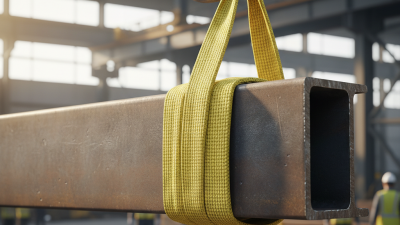
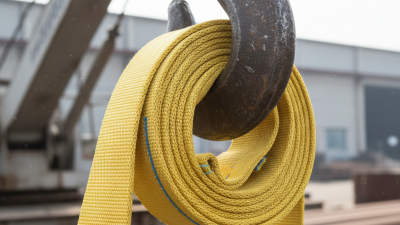
Polyester slings are essential tools in various industries, particularly in lifting and rigging applications. Made from durable synthetic fibers, these slings have gained popularity due to their reliability and strength. According to industry reports, polyester slings can hold loads ranging from 1,000 to 100,000 pounds, depending on their design and construction. Their resistance to moisture and chemicals makes them ideal for both indoor and outdoor use.
When selecting a polyester sling, consider the working load limit (WLL). This limit indicates the maximum load the sling can safely handle. A sling with a WLL of 6,000 pounds should not be loaded with more than this amount. Always evaluate the specific application and environment to ensure the chosen sling meets safety standards.
Tips: Inspect slings regularly for wear and tear. Look for fraying or any signs of damage. It's crucial to replace any sling that shows significant signs of deterioration. Using slings incorrectly can lead to accidents, so training is vital.
Not every polyester sling is suitable for every situation. Some may lack the required strength or flexibility for particular tasks. Consider the type of load, lifting method, and environmental factors when making your choice. Balancing cost and quality is important. Sometimes, cheaper options may not provide the safety needed for your operations.
What is Polyester Sling and How to Choose the Right One?
| Feature |
Description |
Considerations |
| Material Composition |
Made from 100% polyester fibers, providing strength and durability. |
Ensure the slings meet the required safety standards. |
| Load Capacity |
Available in various load capacities, often ranging from 500 to 10,000 lbs. |
Choose a sling that can handle the specific weight of your load. |
| Lengths |
Typically available in lengths from 1 meter to 10 meters. |
Select a length that fits your lifting needs. |
| Safety Features |
May include reinforced edges and color-coded load limits for safety. |
Check for safety features to prevent accidents during use. |
| Usage Environment |
Suitable for indoor and outdoor use, resistant to UV and moisture. |
Consider environmental factors when choosing a sling. |
| Care and Maintenance |
Should be regularly inspected for wear and tear, and cleaned as needed. |
Follow manufacturer guidelines for maintenance. |
The Benefits of Using Polyester Slings
Polyester slings offer numerous benefits for various lifting applications. These slings are known for their strength and flexibility. They handle loads well and demonstrate excellent resistance to stretching. Due to their lightweight nature, polyester slings are easy to manage. This makes them ideal for workers who need to lift or maneuver heavy items.
One significant advantage of polyester slings is their high durability. They resist abrasion and are often treated to withstand UV exposure. This durability translates into long-term cost savings for businesses. Moreover, polyester slings are resistant to most chemicals, allowing them to be used in diverse environments without concern for deterioration.
When choosing a polyester sling, keep a few tips in mind. Assess the load weight and the environment where the sling will be used. Consider the sling's length and width based on your lifting needs. Regularly inspect your slings for signs of wear and tear. Frequent checks can prevent accidents and ensure safety during use. Remember, using the right sling not only improves efficiency but also enhances safety in the workplace.
Types of Polyester Slings Available
Polyester slings are versatile lifting tools used across various industries. They come in several types, each designed for specific applications. The most common types include flat slings, round slings, and endless slings. Flat slings are ideal for lifting heavy loads and offer a wide surface area. They are often used in construction and manufacturing. Round slings, made from continuous loops of fiber, provide excellent flexibility. They are suitable for irregularly shaped loads, making them popular in warehouses.
Endless slings are unique as they can be used with two different lifting points. This feature can be a game-changer in tight spaces. Each type has its pros and cons. For example, flat slings may fray easily if not handled properly, while round slings require careful storage to avoid deformation. Understanding the load capacity and type of material being lifted is vital. Sometimes, a poor choice in sling type can lead to accidents or equipment damage.
Choosing the right polyester sling goes beyond knowing the types available. It involves thinking about the specific lifting environment and potential hazards. For instance, exposure to harsh chemicals can degrade sling material. Reflecting on these aspects ensures safe operation. Proper training on the use of polyester slings cannot be overstated. Knowledge gaps exist and can pose risks. Ensuring that operators are well-informed may mitigate these issues significantly.
Types of Polyester Slings Available
Factors to Consider When Choosing a Polyester Sling
When selecting a polyester sling, consider several crucial factors. First, assess the weight capacity. Different slings support varying weights. Ensure the one you choose can handle the load you plan to lift. This is essential for safety and efficiency. Check the manufacturer’s specifications.
Next, look at the design features. Some slings have reinforced stitching for added durability. Others might have varying widths for comfort during lifting. Understanding these aspects can help reduce strain on your body. It’s also wise to consider the operating environment. For instance, exposure to sunlight can weaken polyester over time.
Don’t forget to review user feedback and experiences. Real-life accounts provide insight into performance and durability. Remember, not all slings are perfect. Some users may share issues with wear or slippage. Learning from these experiences can guide your decision-making process, ensuring you choose a sling that meets your specific needs.
Tips for Proper Care and Maintenance of Polyester Slings
Proper care and maintenance of polyester slings can significantly extend their lifespan. These slings are durable but can wear out if not cared for properly. Regular inspection is key. Look for signs of fraying or damage. If a sling shows wear, it's time to replace it. Even minor issues can lead to failures in critical applications.
Cleaning is also essential. Avoid harsh chemicals that can degrade the fabric. Instead, opt for mild detergents and warm water. Hand washing is gentle and effective. Rinse thoroughly to remove all detergent. If possible, air dry the slings. Keep them away from direct sunlight, which can weaken the fibers over time.
Remember, storage matters too. Roll or fold slings neatly. Avoid kinks and twists that can create stress points. A well-organized storage solution can prevent unintended damage. Take the time to review your slings regularly. This effort can save you from replacing them too soon. By prioritizing care, you maintain safety and performance.