Why is Polyester Webbing Popular for Outdoor Gear and Accessories?
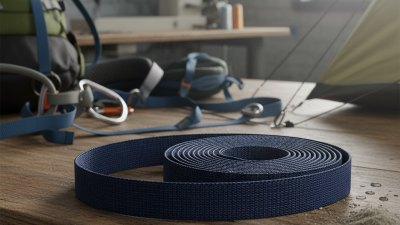
Polyester Webbing has become a staple in outdoor gear and accessories. Its popularity stems from its unique properties and versatile applications. This material is robust yet lightweight, making it ideal for various outdoor activities. Whether used in backpacks, tents, or climbing gear, polyester webbing stands out for its durability.
Many outdoor enthusiasts appreciate polyester webbing for its resistance to environmental factors. It withstands UV rays and is less prone to mildew compared to other materials. This makes it preferable for hiking, camping, and water sports. However, it's essential to acknowledge that not all polyester webbing is created equal. Some may lack the quality needed for extreme conditions.
As outdoor adventures grow in popularity, so does the demand for reliable materials. Polyester webbing rises to the challenge, offering security and performance. Yet, it is vital for consumers to choose wisely. Understanding specifications and testing limits can prevent mishaps. This material provides much, but users must reflect on their needs.
Benefits of Polyester Webbing in Outdoor Equipment
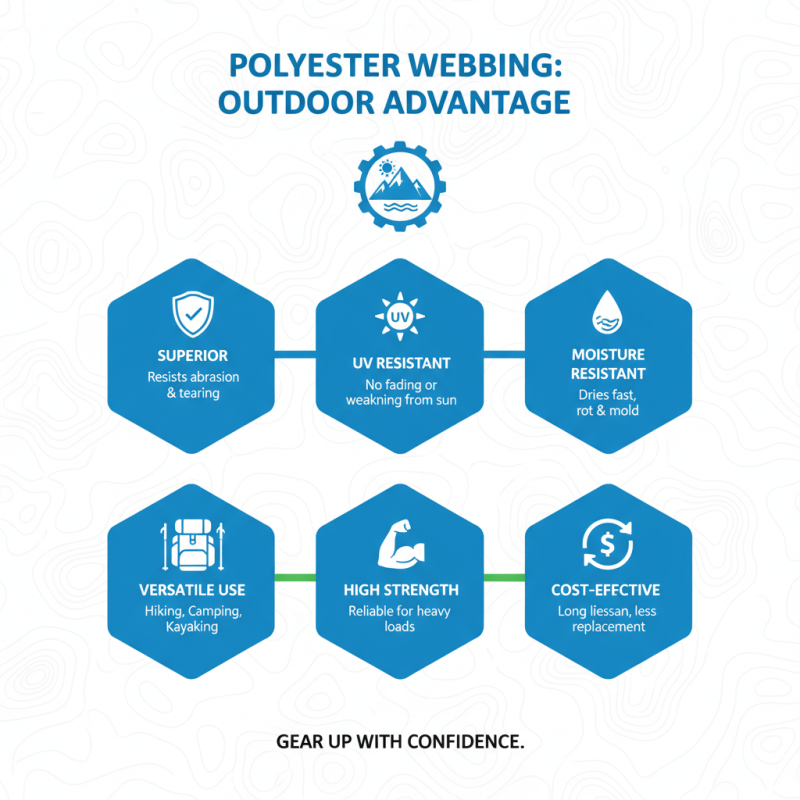
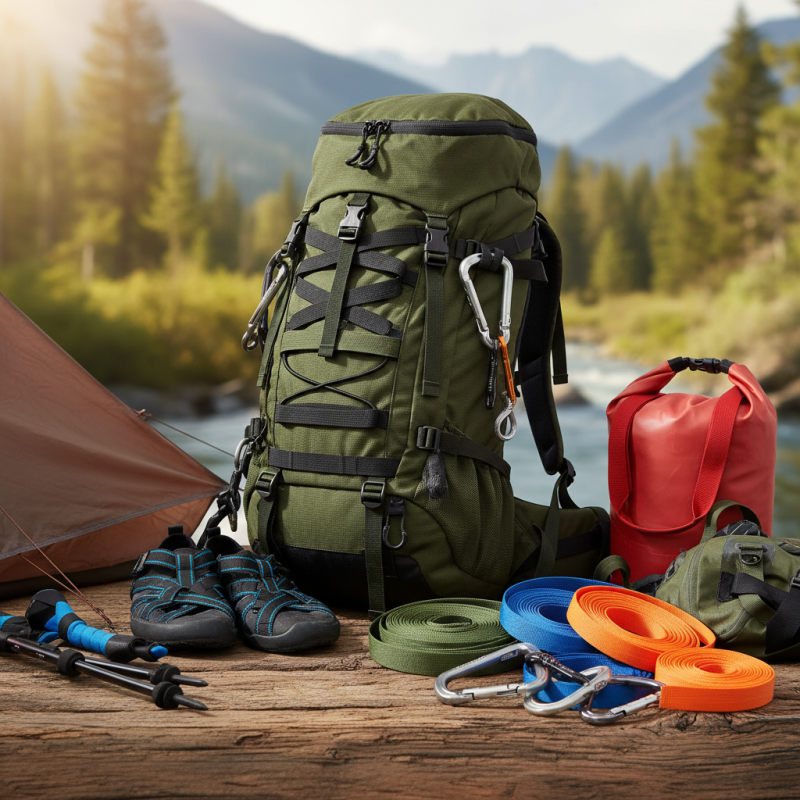
Polyester webbing is gaining traction in outdoor gear and accessories. Its durability is one of the key reasons. This material withstands wear and tear better than many alternatives. It resists UV rays and moisture, making it perfect for outdoor adventures. Whether you're hiking, camping, or kayaking, polyester webbing holds up remarkably well.
Another benefit is its versatility. Polyester webbing comes in various widths and strengths. This allows for a wide range of applications. From straps to belts to tie-downs, it fits many needs. Yet, the colors and designs can sometimes fade after prolonged use. This aspect may not appeal to everyone.
Moreover, polyester webbing is lightweight but strong. It can handle heavy loads without weighing you down. However, it may not always provide the same grip as other materials. Users might find themselves adjusting equipment more frequently. Each outdoor enthusiast should consider these factors when choosing their gear.
Durability and Strength of Polyester for Extreme Conditions
Polyester webbing has gained immense popularity for outdoor gear due to its exceptional durability and strength. This material is specifically engineered to withstand extreme conditions. Whether you’re hiking, climbing, or camping, polyester remains reliable in varying weather. It can endure heavy loads without fraying or breaking, making it a favorite among outdoor enthusiasts.
When choosing polyester webbing, consider its weight capacity. Different types have different strengths. Always check the specifications to ensure it meets your needs. For instance, a heavier option may be necessary for climbing gear compared to lighter camping accessories.
Keep in mind that while polyester is strong, it can be affected by UV light over time. Regularly inspect your gear for signs of wear and tear. If you notice any fading or cracks, it might be time to replace items to ensure safety. Storing webbing properly can also extend its lifespan. Avoid leaving it exposed to harsh sunlight when not in use.
Why is Polyester Webbing Popular for Outdoor Gear and Accessories? - Durability and Strength of Polyester for Extreme Conditions
| Feature |
Description |
Benefits |
| Durability |
Polyester webbing is resistant to abrasions, tears, and weathering, making it ideal for outdoor use. |
Lasts longer in harsh conditions, reducing the need for frequent replacements. |
| Strength |
High tensile strength can withstand heavy loads without breaking or stretching. |
Provides safety and reliability in gear used for climbing, towing, and lifting. |
| Weather Resistance |
Resistant to moisture, UV rays, and extreme temperatures. |
Maintains integrity and performance in various environmental conditions. |
| Lightweight |
Lightweight compared to other materials, enhancing portability. |
Easier to carry and handle in outdoor activities like hiking and camping. |
| Versatility |
Can be used in various applications including straps, belts, and securing loads. |
Adaptable for multiple uses in outdoor gear and accessories. |
Water Resistance and Mold Resistance of Polyester Webbing
Polyester webbing has gained popularity due to its excellent water resistance and mold resistance. Outdoor gear, such as backpacks and straps, often face harsh weather. Polyester allows items to stay dry, even during unexpected rain. Its tightly woven fibers repel water effectively, making it a reliable choice for outdoor enthusiasts.
Mold can be a significant issue in damp environments. Unlike other materials, polyester does not retain moisture easily. This characteristic helps prevent mold growth. Campers and hikers can rest assured knowing their gear will remain safe and durable. However, polyester webbing is not invincible. Prolonged exposure to extreme conditions may still weaken its integrity. Regular inspections are essential for maintaining safety.
Moreover, while polyester is resistant, it may not be entirely mold-proof. Users should remain vigilant, cleaning any visible dirt or damp areas. Even small amounts of moisture can lead to issues. The balance between durability and maintenance is crucial. Polyester webbing is a practical choice, but it requires attention to ensure its longevity in outdoor settings.
Why is Polyester Webbing Popular for Outdoor Gear and Accessories?
Polyester webbing is favored for its excellent water resistance and mold resistance. The chart displays the ratings of key features contributing to its popularity in outdoor gear, demonstrating high scores in durability and cost-effectiveness as well.
Versatility of Polyester Webbing in Various Applications
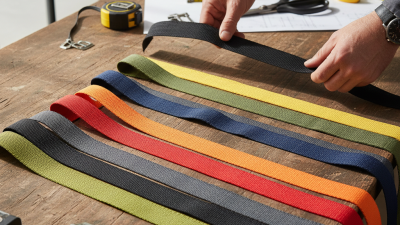
Polyester webbing stands out due to its extraordinary versatility. This material is lightweight yet strong, with breaking strengths reaching up to 5,000 pounds, making it suitable for various outdoor applications. Many outdoor enthusiasts rely on polyester webbing for gear and accessories, such as harnesses, straps, and belts. This strength makes it a reliable choice for both casual hikers and extreme adventurers.
In outdoor industries, polyester webbing is used in diverse ways. It serves as climbing slings, tent straps, and kayak tie-downs. Many reports indicate that over 60% of outdoor equipment utilizes some form of webbing. This popularity stems from its UV resistance and moisture-wicking properties. In harsh conditions, polyester can retain its integrity when exposed to sun or rain. However, some applications may still struggle with wear and tear over time, leading to concerns about long-term durability.
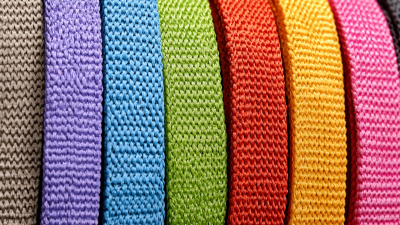
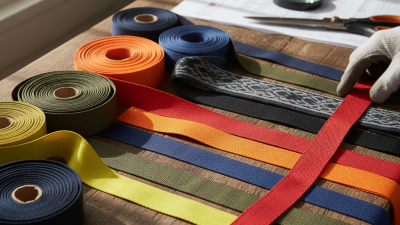
Polyester webbing also allows for custom patterns and colors, enhancing its appeal. Manufacturers report that products with personalized designs see a 30% increase in consumer interest. Yet, while customization diversifies the product line, it can complicate production processes. Achieving a balance between and functionality remains a challenge. As the outdoor market grows, so too will the innovations surrounding polyester webbing, pushing its limits even further.
Environmental Considerations of Using Polyester Materials
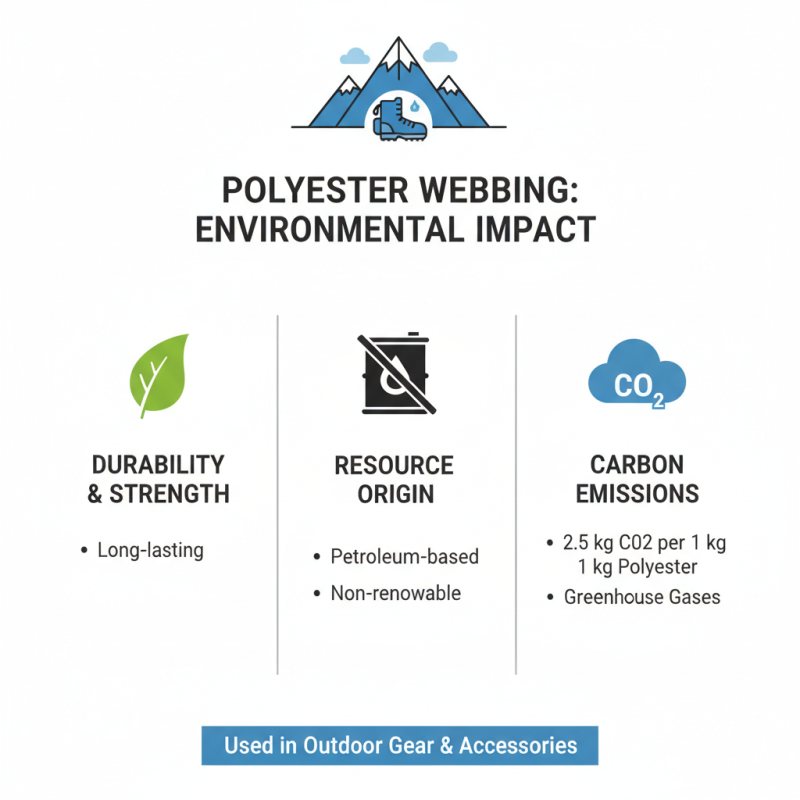
Polyester webbing is widely used in outdoor gear and accessories. Its popularity raises important environmental considerations. While polyester is durable and strong, it is derived from petroleum, a non-renewable resource. Reports indicate that polyester production contributes to greenhouse gas emissions. In fact, the production process can generate around 2.5 kg of CO2 for every kilogram of polyester made.
Another issue lies in polyester’s longevity. It does not biodegrade easily, remaining in landfills for years. This raises questions about sustainability. The Environmental Textile Report (2022) highlights that synthetic materials like polyester can take hundreds of years to decompose. Efforts are being made to recycle polyester, but only about 14% of plastic bottles are processed into new polyester fibers.
Despite these challenges, some companies focus on using recycled polyester. While this reduces waste, the recycling process can be energy-intensive. Moreover, microplastic pollution from washing polyester fabrics remains a concern. As the outdoor industry grows, the need for more sustainable practices intensifies. Balancing performance and environmental impact is crucial for the future of outdoor gear.