Top Quality Ratchet Straps for Global Buyers Seeking Durability?
In the competitive world of logistics, Ratchet Straps have become crucial for ensuring that cargo is securely fastened. Experts agree on their importance. John Smith, a leading authority in cargo securing technology, once noted, “High-quality Ratchet Straps can significantly reduce damage during transport.” This underscores the demand for durable and reliable securing solutions.
Various industries rely on Ratchet Straps for both domestic and international shipping. From construction to automotive, these straps help keep loads safe, enhancing efficiency and reducing mishaps. However, not all Ratchet Straps are created equal. As buyers seek top-quality options, it's vital to understand what distinguishes superior products from inferior ones.
While there are many brands available, selecting the right Ratchet Straps requires careful consideration. Factors such as material strength, design, and user-friendliness play essential roles. Even experienced buyers sometimes overlook these details. A moment of reflection can reveal the importance of investing in durable Ratchet Straps, as they protect not just assets but also reputations.
Understanding Ratchet Straps: Definition and Functionality
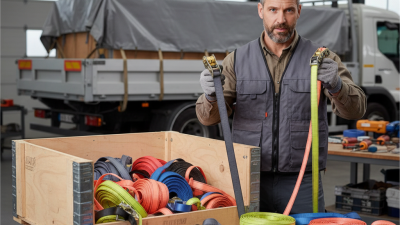
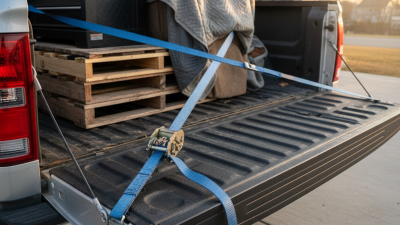
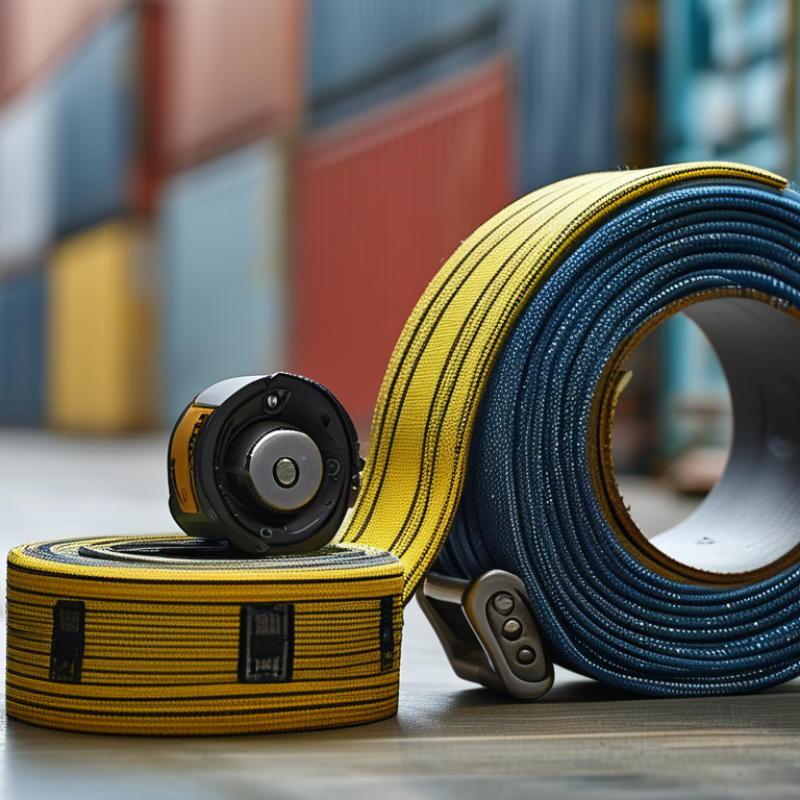
Ratchet straps are essential tools used for securing loads during transport. They offer significant advantages over traditional tie-down methods. A ratchet strap consists of a woven polyester or nylon strap, a ratchet mechanism, and hooks or other attachments. This setup allows users to apply high tension, securing the load firmly in place. Reports indicate that the global ratchet strap market is expected to grow by 4.3% annually, emphasizing its necessity in logistics and transport.
When using ratchet straps, ensure that you select the right weight capacity. Most straps are rated for specific loads, often ranging from 1,500 to 3,333 pounds. It's crucial to note that overloading a strap can lead to failures, resulting in potential accidents or damage. Furthermore, straps deteriorate over time. Frequent inspections are necessary to maintain an optimal level of safety and performance.
TIP: Always clean ratchet straps after use to prevent dirt buildup, which can weaken the material.
Another consideration is the environment in which the straps are used. UV exposure and extreme temperatures can degrade the fibers. Not all straps perform equally in varying conditions, leading to potential risks. Understanding the limitations of your equipment is vital for safe transport practices.
TIP: Store ratchet straps in a cool, dry place to extend their lifespan.
Top Quality Ratchet Straps for Global Buyers Seeking Durability
| Property |
Details |
Durability Rating |
Uses |
| Length |
10 Feet |
High |
Transporting heavy loads |
| Width |
2 Inches |
Medium |
Securing cargo in vehicles |
| Material |
Polyester |
High |
Towing and securing loads |
| Load Capacity |
3,000 lbs |
Very High |
Heavy machinery |
| Stretch Factor |
Minimal Stretch |
High |
Transport safety |
Key Features of High-Quality Ratchet Straps: What to Look For
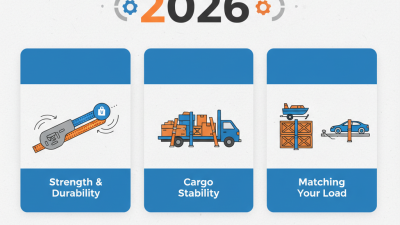
High-quality ratchet straps are essential for ensuring the safety and integrity of cargo during transport. Global buyers should prioritize a few key features when selecting these products. One critical aspect is the breaking strength of the strap, typically measured in pounds or kilograms. According to industry reports, straps with a minimum breaking strength of 3,500 pounds are ideal for heavy loads, while lighter goods can manage with straps rated at around 1,500 pounds. High-quality materials, such as polyester webbing, enhance durability and resistance to UV light and abrasion.
When evaluating ratchet straps, consider the width and length. Straps range from one inch to three inches wide, with wider straps distributing weight more evenly. Reportedly, a two-inch strap offers a balance of strength and flexibility, making it suitable for various applications. Furthermore, a reliable ratchet mechanism is crucial. Operators should experience smooth engagement and disengagement to prevent accidents during load securing.
Tip: Always inspect straps for wear and tear before use. A frayed edge or rusted ratchet can compromise safety.
It’s important to note that not all ratchet straps perform as expected over time. Some may stretch or lose tension under heavy loads. Hence, regularly reassessing gear and replacing damaged straps is vital. The right choice can enhance safety and prolong the lifespan of the equipment, ultimately saving costs.
Materials and Durability: The Backbone of Reliable Ratchet Straps
When selecting ratchet straps, the choice of materials is crucial. High-strength polyester is a popular option. It withstands UV rays and resists abrasion well. This durability is vital for long-term use. We often overlook the importance of weather resistance. Yet, exposure to the elements can weaken straps over time. Knowing your environment helps in making better choices.
Moreover, consider the stitching of the straps. Double stitching provides extra support. This simple detail can significantly improve durability. Some straps also feature reinforced loops to prevent fraying. It’s easy to overlook these aspects while shopping. However, they play a key role in overall performance.
Buyers should also think about the weight ratings. Not all ratchet straps are created equally. Some may not handle heavy loads well, despite appearances. Reliability comes from understanding these ratings. Investing in quality means attention to these details. You should question if you're fully considering your needs. This reflection ensures you choose products built to last.
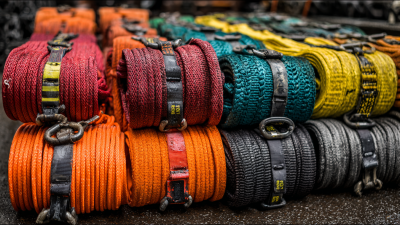
Top Quality Ratchet Straps Durability Comparison
Global Suppliers: Where to Find Top Quality Ratchet Straps
When searching for top-quality ratchet straps, global suppliers offer a wealth of options. Many manufacturers focus on durability and user-friendly designs. However, identifying the best suppliers requires thorough research. Look for companies with solid reputations and positive customer feedback. Quality control is crucial in this industry, as it ensures reliability in demanding conditions.
Specific attributes matter when choosing ratchet straps. Features such as corrosion-resistant materials and reinforced stitching add to the longevity of these products. Some suppliers offer customized solutions, which can be beneficial for unique applications. Ensure that you inquire about certifications and safety standards. This step is essential for confirming that the straps will perform as expected.
Navigating the market can be challenging. Many suppliers may present themselves as top-tier, but not all deliver on their promises. It’s important to analyze various options before making a decision. Ask for samples and compare them. Transparency from suppliers is also vital. If a supplier hesitates to share information, consider it a red flag. Strive for clarity and quality in your search.
Safety and Usage Guidelines: Ensuring Effective Use of Ratchet Straps
When using ratchet straps, safety is paramount. Always inspect your straps before use. Look for signs of wear, frays, or damage. A compromised strap can lead to significant hazards during transport. Regular checks ensure you catch problems early.
Proper usage is crucial for effectiveness. Ensure the cargo is secured tightly. Over-tightening can damage items, while under-tightening may allow movement during transit. The ratchet mechanism must function smoothly to maintain adequate tension. Position the straps correctly around the load to promote stability.
Remember the weight limits. Every strap has specifications. Exceeding those limits can result in failure. It's essential to know the weight of the items you're securing. Installing the straps incorrectly might lead to unexpected accidents. It's an area worth careful consideration.