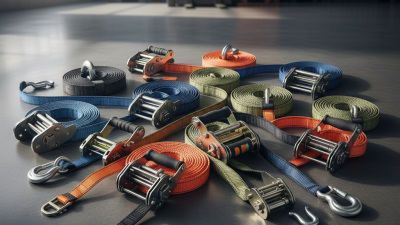
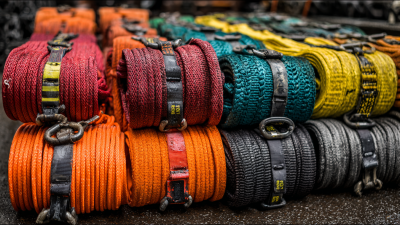
What is a Ratchet Strap and How Does It Work?
Ratchet straps are vital tools in securing cargo. They are widely used in various industries, from transport to construction. According to John T. Anderson, a leading expert in the field, “Ratchet straps provide unmatched reliability for load securing.” This highlights their importance in safe transportation.
The mechanism of ratchet straps is straightforward yet effective. They consist of a strap, a ratchet, and a hook. The ratchet tightens the strap to ensure a secure hold. Despite their simplicity, users must understand the proper techniques. Improper usage can lead to load shifting or even accidents. It is crucial to regularly inspect ratchet straps for any wear and tear.
Balancing efficiency and safety is essential. Many users still struggle with proper tensioning, leading to over-tightening or loosening. The potential hazards are significant. Learning to use ratchet straps correctly is a continuous process. It requires practice and awareness of the risks involved.
What is a Ratchet Strap?
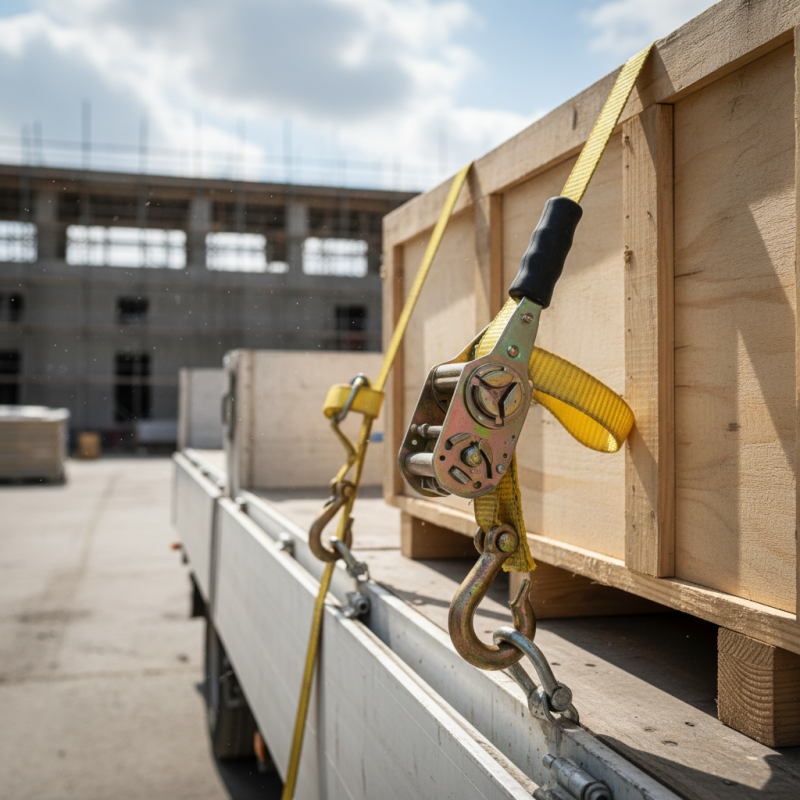
A ratchet strap is a versatile tool used for securing loads during transport. It consists of a long webbed strap with a ratchet mechanism. This mechanism allows for easy tightening, creating a secure hold. Commonly used in trucking, construction, and recreational activities, ratchet straps are essential for preventing damage to cargo.
According to industry reports, the demand for ratchet straps continues to rise. In 2022, the global market for cargo securing solutions was valued at approximately $7 billion. A notable 45% of users prefer ratchet straps over other securing methods. The ability to tighten the strap precisely offers confidence during transportation. Yet, improper use can lead to accidents or load shift.
Safety is paramount. Users must regularly inspect ratchet straps for wear, such as frays or broken hooks. Not all straps are created equally; differing weight ratings are crucial. A strap rated for 1,500 pounds may fail if overloaded. Understanding these specifications is vital for ensuring safety. Many underestimate the importance of regular maintenance and proper usage guidelines. By prioritizing these aspects, load security significantly improves.
Components of a Ratchet Strap
A ratchet strap is a tool for securing loads. It consists of several critical components. The key parts are the strap, ratchet mechanism, hooks, and the release lever. Each plays a specific role in ensuring the safety of your cargo.
The strap is made of durable material, often polyester. This material holds the weight of the load and resists wear. The ratchet mechanism allows you to tighten and lock the strap in place. It consists of a toothed wheel that grips the strap when you turn the handle. The hooks attach the strap to anchor points, offering stability.
When using ratchet straps, always inspect them first. Look for frays or signs of wear. A damaged strap can break under pressure. Tightening the strap too much can cause stress, leading to failure. Be aware of the load's weight and dimensions.
Tips: Ensure your strap is the right length. Consider the load size, and don’t underestimate the weight. Choosing the wrong strap is a common mistake. Always secure the hooks properly to avoid slippage. It’s a small detail that can make a big difference.
How to Use a Ratchet Strap Effectively
Using a ratchet strap can seem straightforward, but effective usage requires some practice. First, ensure the strap is in good condition. Look for any frays or cuts that might weaken it. A damaged strap can lead to dangerous situations.
To use the strap, lay it flat on your load. Position the ratchet on one end. Thread the loose end through the ratchet and pull it snug. Make sure the strap is not twisted. A twisted strap can slip during transport. Tighten the ratchet until it feels firm but not over-tightened. You do not want to damage your cargo.
After securing the load, check the strap again. Give it a gentle tug to see if it holds. If it feels loose, you may need to adjust it. Remember, securing your load is crucial. Don’t ignore this step. Even a small mistake can lead to serious accidents. Always reflect on your process and improve.
What is a Ratchet Strap and How Does It Work? - How to Use a Ratchet Strap Effectively
| Feature |
Description |
Usage Tips |
Safety Tips |
| Material |
Typically made from polyester or nylon for strength and durability. |
Ensure that the material is suitable for the weight being secured. |
Inspect regularly for wear and tear to avoid failures. |
| Length |
Available in various lengths, commonly between 10 to 30 feet. |
Choose the right length based on your application needs. |
Do not exceed the strap’s rated capacity. |
| Capacity |
Can secure loads ranging from hundreds to thousands of pounds. |
Always check the load limit before usage. |
Properly secure the load to prevent sliding or falling. |
| Ratchet Mechanism |
Allows for tension adjustment and secure fastening of the strap. |
Engage the ratchet until the desired tension is achieved. |
Release the tension completely before adjusting or removing the strap. |
| Hooks |
Can come with different hooks (S-hooks, J-hooks, etc.) for anchoring. |
Choose hooks that fit securely to avoid disconnects during transport. |
Ensure hooks are not bent or damaged before use. |
Safety Tips for Using Ratchet Straps
When using ratchet straps, safety should be your top priority. Always inspect the strap before using it. Look for any signs of wear or damage. Frays or cuts can lead to failure during transport. It’s crucial to ensure that the ratchet mechanism works smoothly. This simple check can prevent accidents.
Next, ensure that the load is evenly distributed. An unbalanced load can cause straps to slip or break. Use multiple straps if necessary. Make sure each strap is properly threaded through the ratchet. A poorly secured strap is just as dangerous as a worn-out one.
Keep your hands clear when ratcheting down the load. The mechanism can pinch, and it’s easy to get caught if you’re not careful. Make it a habit to stand to the side. Lastly, avoid overtightening. Too much tension can damage both the strap and the load, potentially causing accidents later. Always assess the load after securing it to ensure safety.
Common Applications of Ratchet Straps
Ratchet straps are essential tools in securing cargo during transport. They provide safety and reliability, especially in industries like logistics, construction, and outdoor activities. Studies show that improper loading and securing of goods account for nearly 30% of cargo damage during transit. This highlights the need for effective solutions like ratchet straps.
Common applications of ratchet straps can be seen across various sectors. In transportation, these straps are often used to secure heavy equipment like forklifts and construction materials. In a 2021 transport safety report, secured cargo using ratchet straps were 40% less likely to shift during transit compared to unsecured loads. This showcases their importance in maintaining safety standards.
In recreational activities, ratchet straps are perfect for securing kayaks, bicycles, and camping gear. They come in various sizes and weight capacities, catering to different needs. However, it’s crucial to select the right strap for the job. Using an under-rated strap can lead to failure and potential accidents. Balancing load distribution is also vital, as misalignment can cause unnecessary strain on the straps.