What is Synthetic Sling and How to Choose the Best One?
Choosing the right equipment for lifting and hauling is crucial for safety and efficiency. A Synthetic Sling is a modern solution for these tasks. It offers numerous advantages over traditional lifting methods. Made from high-strength synthetic fibers, these slings are known for their lightweight nature and high durability. They can handle heavy loads, yet they are gentle on the surfaces they lift.
When selecting a Synthetic Sling, consider your specific needs. Each type of sling comes with unique characteristics, such as length, width, and load capacity. Understanding these details is key to making an informed choice. Many users overlook the importance of proper maintenance and inspection of their slings. Neglect can lead to safety hazards.
Synthetic Slings can be a valuable addition to your lifting equipment. However, buyers must be cautious. It is easy to get confused by the variety available in the market. Ensuring you select a reliable brand with proven performance is crucial. Trust in expert recommendations can guide you towards the best choice. Your safety and efficiency depend on it.
What is a Synthetic Sling and Its Purpose in Various Applications?
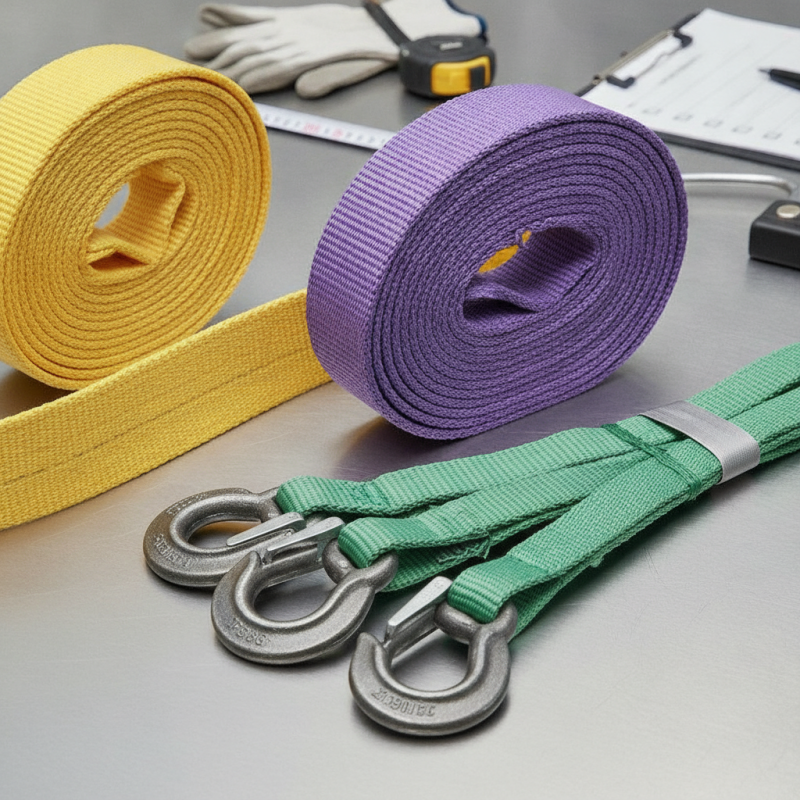
Synthetic slings are versatile tools used in various industries, from construction to logistics. Made from durable materials like polyester or nylon, they provide reliable lifting solutions. Their primary purpose is to safely lift and move heavy loads while minimizing the risk of damage or injury. Unlike traditional steel slings, synthetic slings are lightweight, making them easier to handle and transport.
In construction, synthetic slings are invaluable for hoisting equipment and materials to elevated sites. Their ability to absorb shock and resist abrasions makes them ideal for rough environments. In logistics, these slings facilitate the secure transport of cargo. Operators must understand their load capacities and limits to prevent accidents. Not all synthetic slings are the same; factors such as weather resistance and chemical exposure should be considered based on your specific application.
When choosing a synthetic sling, assess your needs carefully. The right choice reflects the load type, lifting angles, and environmental conditions. While some may overlook the importance of maintenance, it’s crucial for longevity. Inspecting slings regularly can help identify wear and tear early. Ultimately, making informed decisions ensures both efficiency and safety in lifting operations.
Types of Synthetic Slings: Materials and Their Unique Properties
Synthetic slings are versatile tools used in lifting and rigging. They come in various materials, each with unique properties. Understanding these materials helps in selecting the most suitable sling for specific tasks.
Nylon is one common material. It has excellent elasticity, which can absorb shock loads effectively. However, it can degrade with exposure to UV light. Polyester, on the other hand, is resistant to stretching and abrasion. This property makes it ideal for steady loads. Yet, it can be less effective in extreme temperatures.
Another option is polypropylene. It is lightweight and floats in water, making it useful in marine applications. However, it has lower strength compared to nylon and polyester. Consideration of these factors is essential. Each type of synthetic sling offers distinct benefits and drawbacks. Awareness of these nuances will aid in making informed decisions and improving safety in lifting operations.
Types of Synthetic Slings: Materials and Their Unique Properties
Key Factors to Consider When Choosing a Synthetic Sling
When selecting a synthetic sling, several key factors should drive your decision.
Material is crucial.
High-quality synthetic fibers can affect strength and durability.
Look for slings made from reliable, tested materials. This ensures they can handle the demands of your specific lifting tasks.
Weight capacity cannot be ignored.
Each sling has a rated capacity, which varies based on its design and construction.
Choosing one with an insufficient rating can lead to accidents. Always verify the load before each use.
Also, factor in the working environment.
Conditions like moisture, heat, or chemicals can deteriorate slings quickly.
Take time to consider the configuration of the sling.
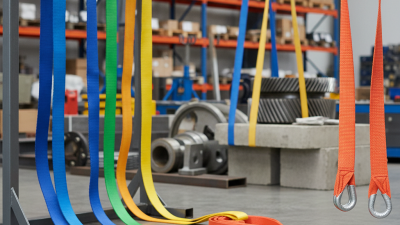
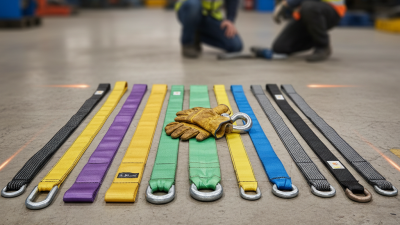
Different styles, such as round or flat slings, suit different applications.
Know your needs before deciding. Understand that the best choice may vary over time.
Regular assessments of wear and damage are essential.
Be prepared to replace worn slings to ensure safety continuously. This ongoing evaluation is crucial for protecting your team and equipment.
Safety Ratings and Load Capacities for Synthetic Slings
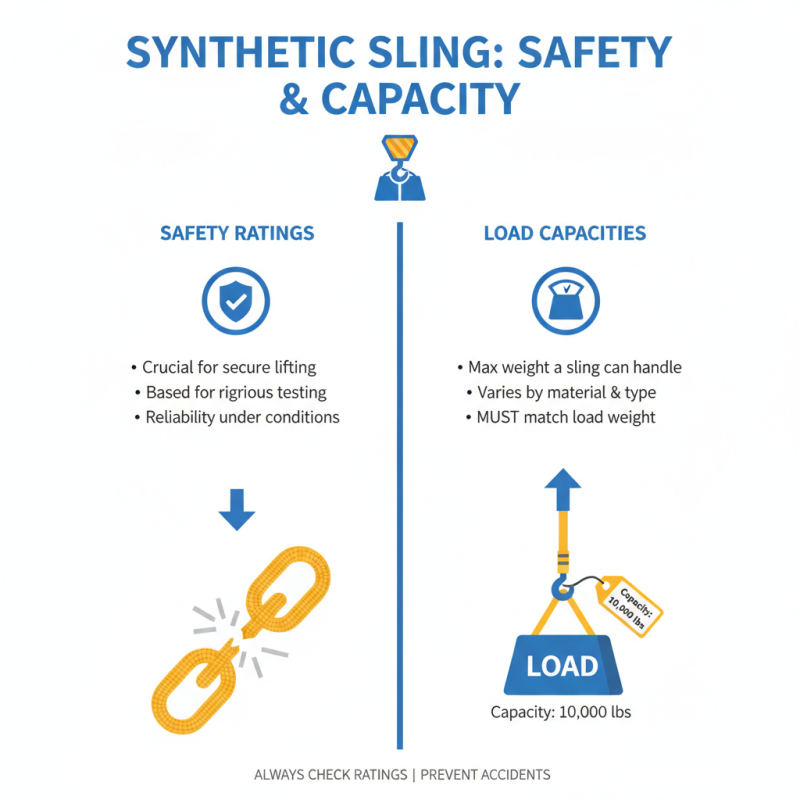
When selecting a synthetic sling, safety ratings and load capacities are crucial factors. Synthetic slings, made from high-strength materials, can lift heavy loads, but they must be chosen carefully. Safety ratings indicate how much weight a sling can safely handle. They stem from rigorous testing, ensuring reliability under specific conditions.
Load capacities vary among different types of synthetic slings. A sling rated for 5 tons may not perform well if used beyond its limit. It's important to consider the environment too. Factors like temperature and abrasion can affect a sling's strength.
Even with high safety ratings, misuse can lead to failures. Regular inspection is essential. Look for signs of wear, cuts, or frays. A damaged sling may still appear intact but can be dangerously weak. Always prioritize safety over convenience and remain vigilant about proper usage.
Maintenance Tips for Extending the Life of Synthetic Slings
Synthetic slings are essential in various lifting applications. Proper maintenance can significantly extend their lifespan. Regular inspections are necessary to identify wear and damage. According to industry reports, about 20% of slings fail due to improper care. This staggering statistic highlights the importance of routine checks.
Ensure that slings are cleaned after each use. Contaminants like dirt and chemicals can degrade the fibers over time. A simple wash with mild soap and water can help. After washing, allow the slings to air dry completely. Storing them in a cool, dry place can prevent mold growth. It’s crucial to avoid exposing them to UV light for long periods.
Additionally, every rigging job should have a qualified person overseeing the operations. Training staff can also reduce mishandling and extend sling life. Note that synthetic slings should not be used if they show signs of significant damage, such as cuts or frays. Ignoring these details can result in accidents and financial losses, prompting a need for a more rigorous maintenance routine.