What is a Synthetic Sling and How Does it Work?
In the evolving landscape of surgical techniques, the Synthetic Sling has gained significant attention. Designed to treat stress urinary incontinence, these slings are made from synthetic materials. According to a recent report from the American Urological Association, over 13 million adults in the U.S. experience this condition. The demand for effective solutions has led to an increased interest in synthetic slings.
Synthetic slings provide support to the bladder neck. They help reduce involuntary leakage during physical activities. A study published in the Journal of Urology showed a success rate of over 80% in properly selected patients. However, some concerns persist about complications associated with synthetic materials. These issues call for careful consideration in surgical planning.
The use of Synthetic Sling technology reflects a shift toward minimally invasive procedures. Still, it requires ongoing research and patient education. As healthcare providers adopt these innovative solutions, they must also consider their limitations. Balancing benefits and potential risks remains a challenge in this field.

What is a Synthetic Sling?
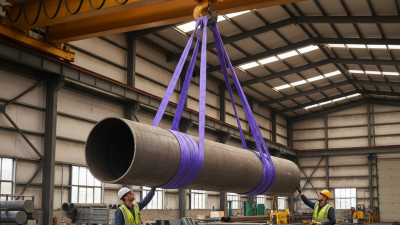
A synthetic sling is a versatile tool in various industries, notably in construction and logistics. It is primarily made from high-strength synthetic materials like polyester or nylon. This design provides excellent weight distribution, making it ideal for lifting heavy loads. According to industry reports, synthetic slings can safely lift up to 6 tons, depending on their specific design and configuration. This capacity is vital in environments where safety and efficiency are paramount.
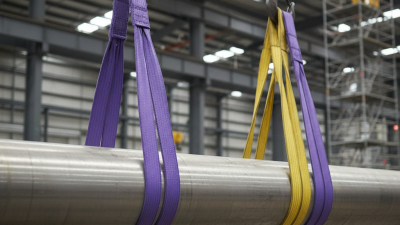
The flexibility of synthetic slings sets them apart. They can conform to the shape of the load, providing a secure grip without damaging the surface. Reports suggest that improper sling use leads to a high percentage of workplace accidents, emphasizing the need for proper training and safety measures. However, some users may overlook the importance of regular inspections. Over time, wear and exposure can compromise the sling's strength.
Moreover, environmental factors contribute to their performance. UV exposure and chemical contact can weaken synthetic materials. Users should regularly evaluate conditions and adjust their practices accordingly. While synthetic slings offer many advantages, awareness of their limitations is essential for safe operation. Proper education and diligence can significantly enhance their effectiveness in lifting tasks.
What is a Synthetic Sling and How Does it Work?
| Dimension |
Details |
| Material |
High-strength synthetic fibers, often nylon or polyester |
| Weight Capacity |
Ranges from 1 ton to over 100 tons depending on the type |
| Applications |
Used in construction, shipping, and heavy lifting operations |
| Benefits |
Lightweight, flexible, high strength-to-weight ratio |
| Durability |
Resistant to abrasion, UV degradation, and chemicals |
| Maintenance |
Requires regular inspection for wear and tear |
| Safety Features |
Color-coded for easy identification and safe use |
| Lifespan |
Typically lasts 5-10 years depending on use and care |
Types of Synthetic Slings Available in the Market
Synthetic slings have gained popularity due to their versatility and strength. There are several types available in the market, each catering to specific needs. The common categories include webbing slings, round slings, and chain slings. Webbing slings are lightweight and ideal for lifting lighter loads. They are often made from nylon or polyester and offer flexibility. Round slings, on the other hand, feature a continuous loop of fibers. They excel in handling heavy loads and provide excellent abrasion resistance. Chain slings are robust and suitable for heavy industrial applications.
According to industry reports, synthetic slings can lift weights ranging from a few hundred to several thousand pounds. This wide range demonstrates their effectiveness in diverse applications. However, some slings may have limitations in terms of temperature resistance and UV exposure. It's essential to assess the environment before selecting a sling type.
Tip: Always inspect your slings before use. Look for signs of wear, fraying, or cuts. Regular maintenance ensures safety during lifting. Ensure you check the load capacity to avoid accidents.
When choosing a synthetic sling, consider its intended use. Think about the weight, the environment, and the type of load. Some slings may not perform well under certain conditions. It’s crucial to make informed decisions to enhance safety and efficiency.
How Synthetic Slings Are Made: Materials and Process
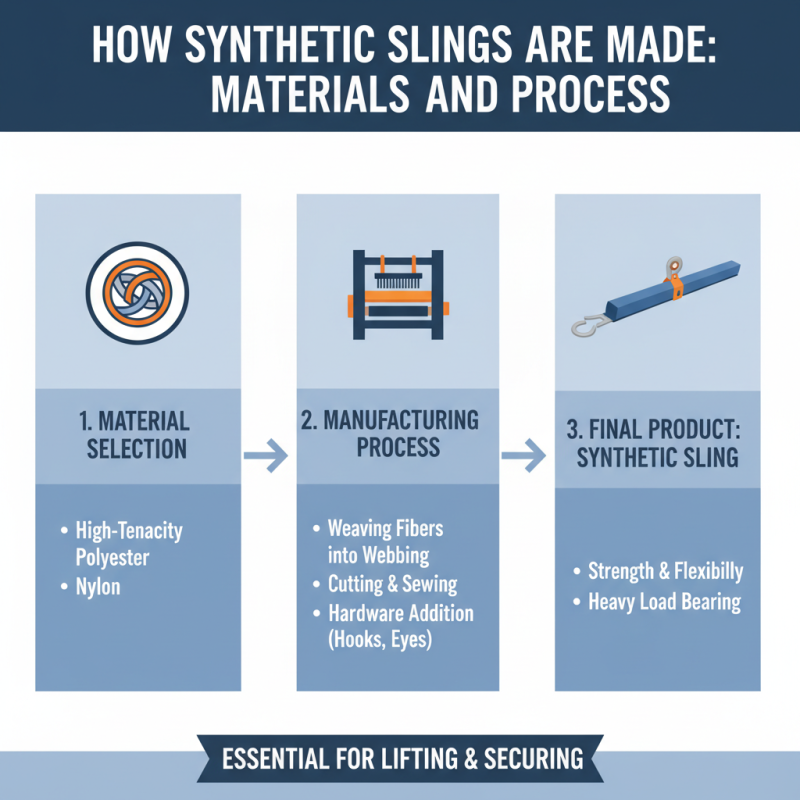
Synthetic slings are essential tools in lifting and securing. They are made from durable materials designed to withstand heavy loads. The manufacturing process begins with selecting the right fibers, usually high-tenacity polyester or nylon. These materials provide strength and flexibility, making them ideal for various applications.
The making of synthetic slings involves weaving the fibers into a robust webbing. This webbing can be coated or finished to enhance durability. After this, slings are cut to specific lengths. They may be reinforced with additional stitching in critical areas. This attention to detail ensures that each sling can perform under different conditions.
Quality control is a vital part of production. Each sling is tested for strength and safety. However, there can be inconsistencies in the manufacturing process. Sometimes, a seam may not hold as well as expected. This inconsistency raises questions about quality standards in the industry. Proper testing and certification help address these concerns, but improvements are always needed.
Mechanism of Action: How Synthetic Slings Provide Support
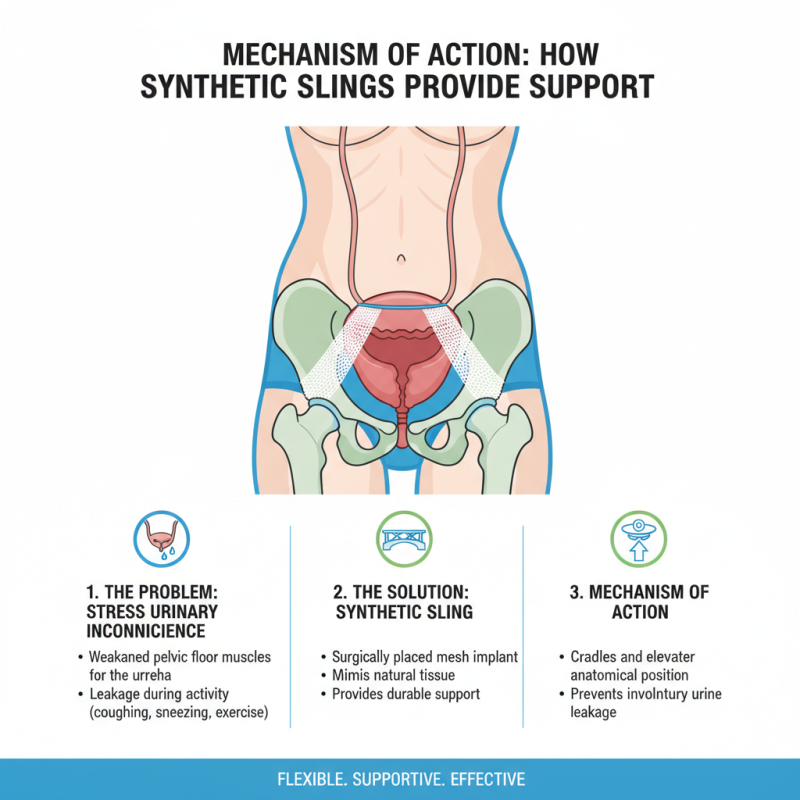
Synthetic slings are designed to provide support for pelvic organs. They are often used in surgical procedures to treat stress urinary incontinence. These slings are made from materials that mimic natural tissue. Their design allows them to be flexible yet supportive, offering patients an effective solution.
The mechanism of action involves the sling being placed under the mid-urethra. When pressure is applied, such as during coughing or sneezing, the sling lifts the urethra. This elevation helps prevent leakage. It’s a simple concept but can be profound in its effect. However, outcomes can vary. Some may face complications or insufficient relief.
Understanding how synthetic slings work is essential. They rely on proper placement and the body’s response to foreign materials. Each patient’s anatomy is different, affecting sling performance. There is always a need for individual assessment. This highlights the importance of personalizing treatment plans. Each case should be carefully considered, reflecting on the nuances of each individual’s experience.
Benefits and Risks of Using Synthetic Slings in Medical Procedures
Synthetic slings are increasingly used in various medical procedures, particularly for pelvic support and urinary incontinence. These slings are made from durable materials designed to provide a stable platform for tissue support. However, their benefits come with potential risks that medical professionals must consider carefully.
One of the main benefits of synthetic slings is their effectiveness. Many patients experience substantial improvements post-surgery. However, complications can arise. Infections, erosion, and chronic pain are concerns that some patients face. These issues can lead to more surgeries, which complicate the initial success.
Patients should also weigh their options. Not everyone responds positively to synthetic materials. Some might have negative reactions, while others may not experience the intended relief. A thorough discussion with medical providers is essential. Understanding the potential risks and benefits can guide informed decisions. The journey toward recovery is always personal and complex. Decisions should be made with careful thought, considering both the advantages and potential drawbacks.