Essential Tips for Choosing Polyester Webbing for Your Projects?
Choosing the right polyester webbing for your projects can significantly impact their durability and performance. Polyester webbing is widely used in various applications, from outdoor gear to industrial purposes. According to a report by Smithers Pira, the demand for polyester webbing is expected to grow by 3.7% annually through 2026, driven by its strength and versatility.
When selecting polyester webbing, consider its tensile strength, UV resistance, and overall material quality. A typical tensile strength for polyester webbing ranges between 2,000 to 6,000 pounds, making it a reliable option for heavy-duty applications. However, not every product on the market meets these standards, and it's essential to research manufacturers thoroughly.
While polyester webbing is generally favored for its longevity, not all options are created equal. Some may fray or weaken over time, especially when exposed to harsh weather conditions. Evaluating the specific needs of your project and comparing different products will lead to more informed decisions. Remember, the right choice in polyester webbing can make or break the success of your project.
Key Characteristics of Polyester Webbing to Consider
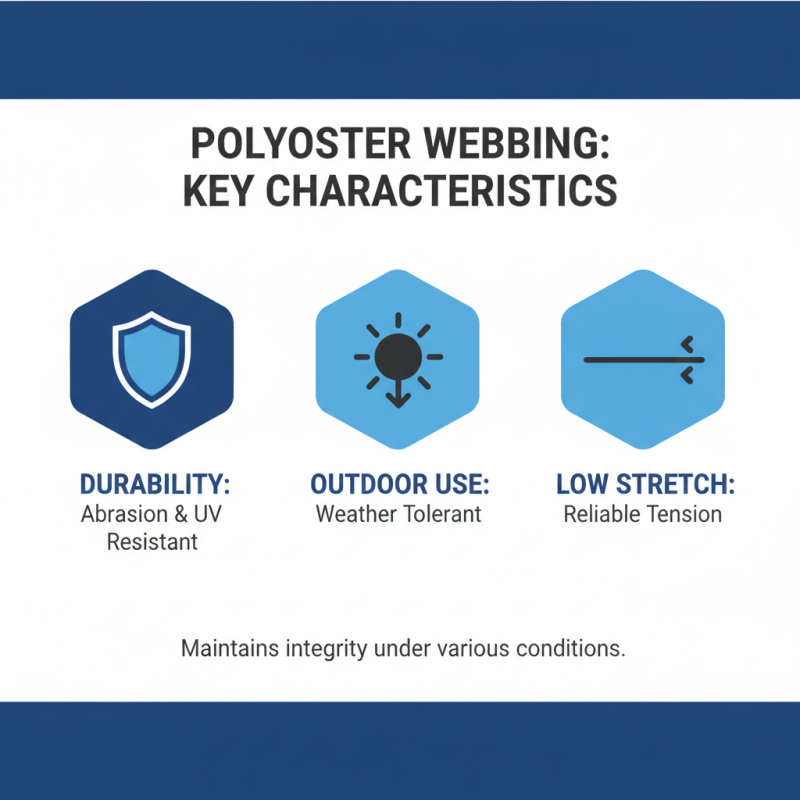
When choosing polyester webbing for your projects, understanding its key characteristics is crucial. Polyester is known for its excellent durability. It resists abrasion and is less prone to UV damage compared to other materials. This makes it suitable for outdoor applications. It also has a low stretch factor, providing reliability under tension. The webbing can maintain its integrity in various conditions.
Another important aspect is the weight capacity. Ensure you check the specified load limit for the webbing. Not all polyester webbing carries the same strength. Some may be ideal for light-duty tasks, while others can support heavier loads. Take a close look at the width. Wider webbing often distributes pressure better. It reduces the chances of injury or material failure.
Consider the texture and finish of the webbing as well. Some webbing has a smooth surface, while others may be rough. This can affect grip and handling. You might find that a rougher texture provides better friction. Reflect on your project’s specific needs. Also, check if the webbing is treated for mold or mildew resistance. This is especially significant for marine applications. Address these details to choose the right polyester webbing.
Different Types of Polyester Webbing and Their Uses
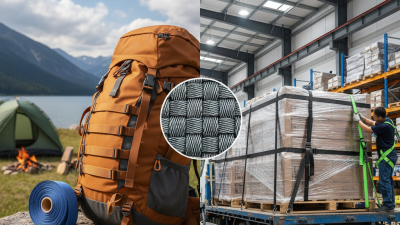
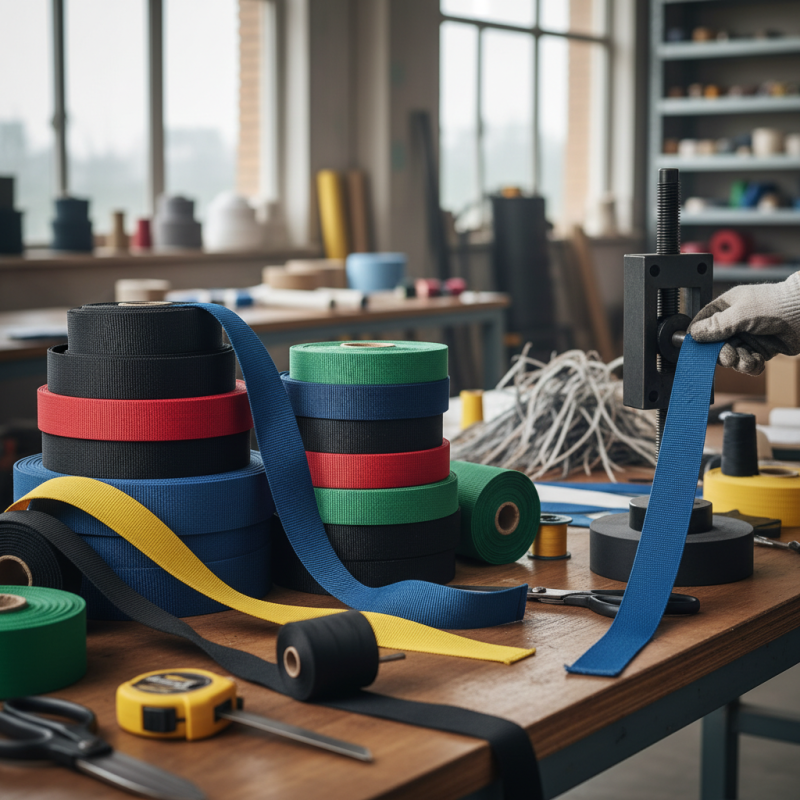
Polyester webbing comes in various types, each suited for different applications. One common type is woven polyester webbing. It is strong and durable, making it ideal for outdoor gear and straps. The tight weave gives it resistance to wear and tear. It's often used in backpacks and belts. Choosing the right weave can greatly affect the functionality of your project.
Another option is tubular polyester webbing. This type features a hollow center, enhancing its flexibility and making it perfect for climbing or rescue operations. It distributes weight evenly and prevents stretching. However, it can be less abrasive-resistant compared to woven webbing, which may pose issues in rugged settings.
For those who might need something more decorative, printed polyester webbing is available. This type offers vibrant colors and designs. Still, one must consider its strength and durability for specific uses. A beautiful pattern can sometimes hide weaknesses. It's crucial to evaluate these factors before making a choice. Each type has its unique strengths and weaknesses, so selecting the right one requires careful thought.
Determining the Appropriate Width and Strength for Your Project
When choosing polyester webbing, width is a crucial aspect. Different projects demand varying sizes. For instance, a small bag may require narrow webbing, while a harness needs wider options. Choosing the wrong width can lead to discomfort or safety issues. The right measurement ensures strength and functionality.
Strength is equally important. Polyester webbing comes in multiple tensile strengths. A lightweight version might suffice for crafting, while heavy-duty projects demand robust options. Testing the strength before use is essential. Always consider the specific demands of your project. Too weak, and the webbing fails; too strong, and it can be overkill, adding unnecessary bulk.
Sometimes, the decision isn't straightforward. You may think a wider webbing is always better, but it can impact how you use it. Reflecting on your project’s requirements is vital. Check the weight it will carry. Consider its intended use. Making the wrong choice can lead to frustrations later on. Don't hesitate to experiment with samples to find the right fit.
Essential Tips for Choosing Polyester Webbing for Your Projects
| Width (inches) |
Strength (lbs) |
Recommended Use |
Color Options |
| 1 |
500 |
Arts & Crafts |
Red, Blue, Green |
| 1.5 |
800 |
Outdoor Gear |
Black, Tan, Olive |
| 2 |
1200 |
Safety Harness |
Yellow, Navy, Gray |
| 3 |
1500 |
Heavy-Duty Applications |
Camo, Burgundy, Purple |
The Importance of UV Resistance and Durability in Polyester Webbing
When selecting polyester webbing for your projects, consider its UV resistance and durability. UV resistance is crucial because exposure to sunlight can degrade many materials. According to industry reports, polyester generally offers better UV stability compared to nylon. This means it lasts longer when used outdoors. Without proper UV protection, webbing can become brittle and lose strength, resulting in potential project failures.
Durability is another key factor. Durable webbing withstands stress and strain, crucial for applications like towing or securing loads. Studies show that polyester webbing maintains its integrity even under heavy loads, while some alternatives may fray or break. However, it's important to regularly inspect your webbing for wear. Even the best materials have limits, and wear can significantly impact performance.
**Tips:** Look for webbing with a high tensile strength rating. Check for manufacturer claims on UV resistance too. Testing samples in actual conditions can reveal hidden weaknesses. Don't overlook environmental factors that might affect the material over time. Adapting to your specific project needs is essential for optimal safety and functionality.
Essential Tips for Choosing Polyester Webbing
This bar chart illustrates the key factors to consider when choosing polyester webbing for your projects. The percentages indicate the importance of each factor, emphasizing the critical role of UV resistance and durability.
Tips for Selecting the Right Color and Pattern for Your Needs
When selecting polyester webbing, color and pattern play significant roles in your project. The right hue can make your webbing stand out or blend seamlessly into your design. Think about the overall aesthetic you want to achieve. Bright colors attract attention, while muted shades offer subtle elegance. Consider the emotions each color evokes. For instance, blue can feel calming, while red often conveys energy.
Patterns add another layer of complexity. Stripes, dots, or even custom designs can showcase creativity. A floral pattern can lend a whimsical touch, ideal for outdoor gear or fashion items. However, selecting a pattern can be tricky. Some designs may overwhelm the project, making it look cluttered. You might think you want bold stripes, but they may not suit your vision.
While making these choices, test samples in various lighting. Natural light can change hues, affecting your final decision. Consider how colors interact over time. Will they fade or dull? Reflect on your choices carefully; they can impact the usability and aesthetics of your work. Don’t be afraid to seek feedback from others. Sometimes, a fresh perspective can illuminate aspects you might miss.