Top 10 Tips for Choosing the Right Lifting Sling for Your Needs
When it comes to safely and efficiently lifting heavy loads, the choice of the right lifting sling is critical. A lifting sling is a versatile tool that can significantly enhance the effectiveness of your lifting operations, whether in construction, manufacturing, or logistics. However, with a plethora of options available on the market, selecting the appropriate lifting sling for your specific needs can be overwhelming. It is essential to understand that not all lifting slings are created equal, and the right choice can make a substantial difference in both safety and productivity.
To help you navigate this important decision-making process, we have compiled a list of the top ten tips for choosing the right lifting sling. This guide will cover crucial factors such as the type of load, the environment in which the sling will be used, and the specific lifting requirements that must be met. By considering these tips, you can ensure that you select a lifting sling that not only meets industry standards but also provides the reliability and security necessary for safe lifting operations. Whether you are a seasoned professional or new to lifting tasks, these insights will empower you to make informed decisions that enhance your lifting efficiency and safety.
Understanding Different Types of Lifting Slings Available in the Market
When selecting a lifting sling, understanding the different types available in the market is crucial for ensuring safety and efficiency in lifting operations. Common types of lifting slings include
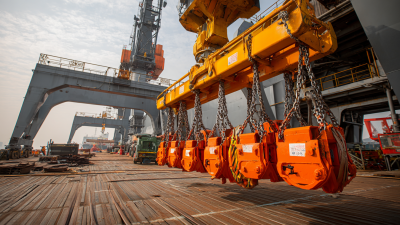
chain slings,
wire rope slings,
and
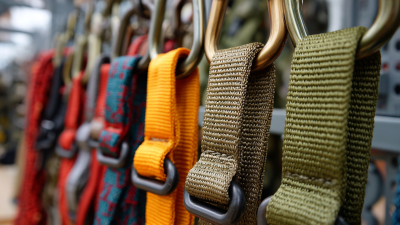
synthetic slings.
Chain slings are known for their strength and durability, making them suitable for heavy-duty applications. They can withstand high temperatures and are resistant to abrasions, but they may be heavier and less flexible compared to synthetic options.
Synthetic slings, on the other hand, are made from materials like nylon or polyester and are lightweight, flexible, and easy to handle. They are ideal for lifting delicate loads that could be damaged by harsher materials. Moreover, synthetic slings come in various configurations, such as round slings and web slings, offering versatility for different lifting scenarios.
Wire rope slings fall in between, providing a balance of strength and flexibility, making them appropriate for a wide range of lifting tasks, especially in environments where abrasion is a concern. Understanding these differences helps users select the most appropriate lifting sling tailored to their specific lifting needs.
Evaluating Load Capacities and Safety Factors for Your Lifting Needs
When selecting a lifting sling, evaluating load capacities is crucial to ensure safety and efficiency during operations. Load capacity refers to the maximum weight a sling can safely lift, and it is essential to choose a sling that not only meets but exceeds the anticipated load. This margin for safety allows for unpredicted factors like shifting of the load or dynamic forces that may arise during the lifting process. Inspecting the specifications provided by manufacturers can give insight into the operational limits of various slings, but understanding your specific application is equally important.
In addition to load capacities, safety factors play a significant role in the decision-making process. The safety factor is a measure of the sling’s strength relative to the maximum load it is expected to bear, often expressed as a ratio. For example, a safety factor of 5:1 indicates that the sling can safely lift five times its rated capacity. Choosing the right safety factor depends on several factors, including the lifting environment, the nature of the load, and potential hazards. For more demanding tasks, a higher safety factor is recommended, ensuring that the sling can withstand unforeseen circumstances, thus safeguarding both the load and the personnel involved in the lifting operation.
Top 10 Tips for Choosing the Right Lifting Sling
Assessing Material Durability and Environmental Compatibility for Slings
When selecting the right lifting sling, understanding material durability and environmental compatibility is crucial. Different lifting slings are made from a variety of materials, each offering unique strengths and weaknesses. For instance, polyester and nylon are popular choices due to their high tensile strength and resistance to wear and tear. However, in extreme environments, such as those exposed to chemicals or high temperatures, it’s essential to evaluate the specific properties of these materials. Polyester may be more suitable for environments that are prone to UV exposure, while nylon might suffice in settings where chemical exposure is minimal.
Moreover, considering the environmental conditions in which the sling will be used can significantly influence the choice of material. For example, if the sling is intended for outdoor use, it should be resistant to moisture and UV rays to prevent rapid degradation. Additionally, it’s important to think about how the sling will interact with its surroundings. If it will come into contact with harsh chemicals, selecting a sling made from materials designed to withstand such exposure is critical. Assessing these factors will not only enhance the lifespan of the sling but also ensure safety and efficiency in lifting operations.
Identifying the Appropriate Sling Configuration for Your Specific Task
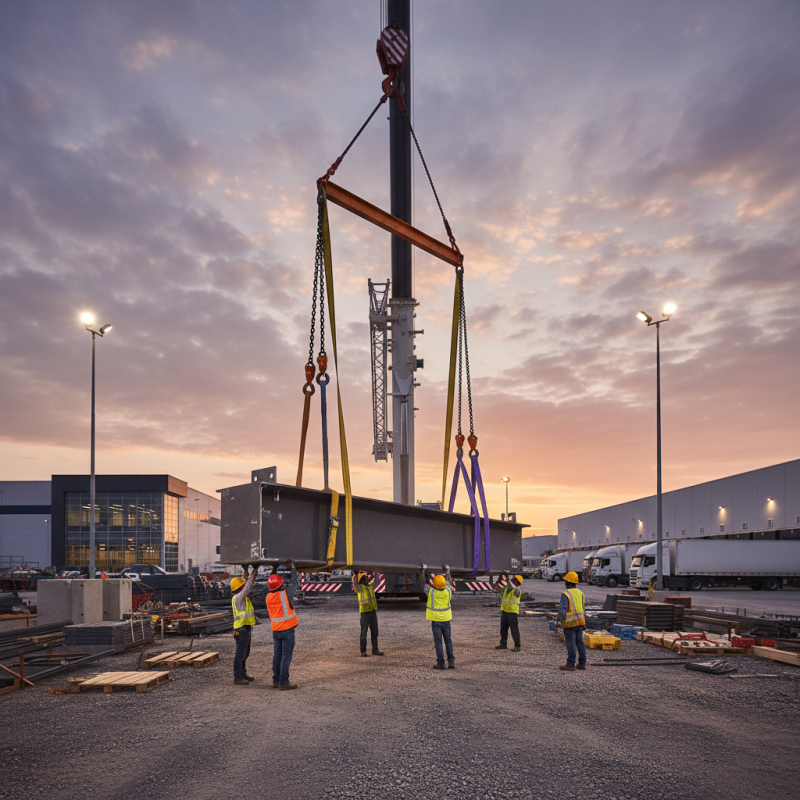
When selecting the right lifting sling, understanding the specific requirements of your task is crucial. Different configurations, such as single leg, two-leg, or multi-leg slings, will affect the way loads are distributed and managed. According to the Occupational Safety and Health Administration (OSHA), improper sling configuration can lead to a significant increase in risk, potentially increasing the likelihood of accidents by up to 30%. This highlights the importance of identifying the appropriate sling configuration based on load type, weight, and lifting conditions.
One essential tip for choosing the correct sling is to evaluate the load's geometry. Slings should be matched to the load's shape and stability. For instance, using round slings for odd-shaped loads can provide better load containment. Another vital consideration is the environment in which the lifting will occur; slings should be selected based on factors like temperature, exposure to chemicals, and humidity. The American Society of Mechanical Engineers (ASME) reports that slings properly suited to their lifting environments can reduce wear and prolong service life by up to 50%.
Additionally, it's important to factor in the load weight and any potential dynamic forces that might occur during the lift. Consulting capacity charts and adhering to proper lifting practices can help avoid overload situations, which are a common cause of sling failure. Engage with your team to assess each lifting scenario thoroughly, ensuring the chosen sling configuration aligns perfectly with the specific task at hand.
Ensuring Compliance with Industry Standards and Regulations for Lifting Slings
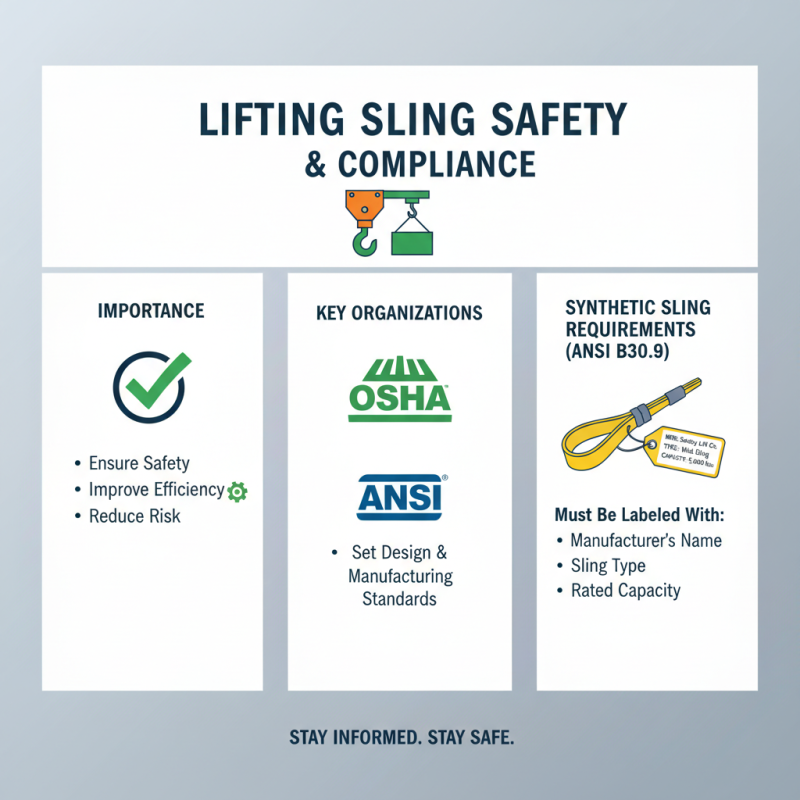
When selecting the right lifting sling, understanding and adhering to industry standards and regulations is crucial to ensure safety and efficiency. According to the Occupational Safety and Health Administration (OSHA) and the American National Standards Institute (ANSI), lifting slings must be designed and manufactured to meet rigorous specifications that guarantee their reliability under load. For instance, ANSI B30.9 specifies that all synthetic slings must be labeled with essential information including the manufacturer's name, sling type, and rated capacity, ensuring users can make informed decisions based on compliance with safety norms.
Moreover, the International Organization for Standardization (ISO) provides additional guidelines, particularly ISO 4878, which addresses the testing and classification of textile slings. These standards emphasize the importance of periodic inspections and maintenance routines to prevent equipment failure. A recent report by the Lifting Equipment Engineers Association (LEEA) indicates that improper use or lack of compliance accounts for over 40% of lifting-related accidents, underscoring the critical need for proper selection and adherence to standards. By diligently following these regulations, companies not only safeguard their personnel but also enhance operational efficiency and adhere to legal obligations that dictate safe lifting practices in various industries.