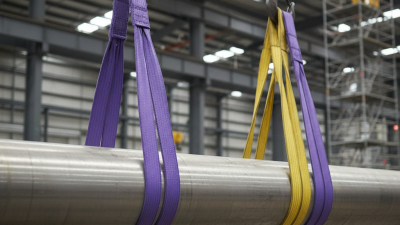
China Top 10 Synthetic Sling Options for Safety and Durability?
In the realm of lifting equipment, the significance of synthetic slings cannot be underestimated. These versatile tools are favored for their strength and resilience. Industry expert Dr. Robert Harris, a leading figure in lifting solutions, states, "Synthetic slings are revolutionizing the way we think about safety and efficiency in lifting applications." His insight underscores the importance of understanding the various options available.
The market is flooded with choices, but not all synthetic slings are created equal. Choosing the right sling involves careful consideration of safety ratings, durability, and application needs. A wrong choice can lead to accidents or costly delays. Reflecting on past experiences in the industry can reveal the pitfalls that many overlook.
While synthetic slings are praised for their lightweight attributes, they can be susceptible to environmental factors. Users must be aware of the limitations and conditions that might affect performance. This knowledge not only enhances safety but also builds reliability in your lifting operations. Understanding these factors can lead to smarter, safer lifting practices.
Overview of Synthetic Slings and Their Applications
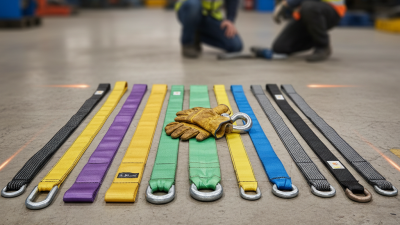
Synthetic slings have transformed lifting operations across various industries. Their lightweight nature and adaptability make them highly efficient. These slings use materials like polyester and nylon, making them suitable for both lifting and pulling tasks. A recent industry report indicates that synthetic slings can reduce load damage risks by up to 50% compared to traditional options. This statistic highlights their critical role in enhancing safety in heavy-duty applications.
Proper care and maintenance of synthetic slings are essential for their longevity. Regular inspections should be conducted to identify signs of wear, damage, or fading. A study from ASTM International states that improper maintenance can lead to sling failure in 30% of cases. To mitigate risks, educative training for the personnel using these slings is vital.
Tips: Always store slings in a cool, dry place. Avoid exposure to chemicals that may weaken the material. Consider the load capacity indicated on the label before use. Remember, though synthetic slings are durable, they do have limitations. Regularly assess and reflect on their performance to ensure optimal safety levels. Identifying potential issues early can prevent serious accidents and enhance operational efficiency.
China Top 10 Synthetic Sling Options for Safety and Durability
| Sling Type |
Material |
Load Capacity (tons) |
Length (meters) |
Applications |
| Web Sling |
Nylon |
5 |
2 |
General Lifting |
| Round Sling |
Polyester |
3 |
1.5 |
Heavy Machinery |
| Chain Sling |
Steel |
10 |
3 |
Construction |
| Flat Sling |
Nylon |
8 |
4 |
Marine Industry |
| Eye Sling |
Polyester |
6 |
2.5 |
Warehouse Handling |
| Spreader Bar Sling |
Composite |
12 |
5 |
Lifting Tanks |
| Double Ply Sling |
Nylon |
7 |
3.5 |
Metal Fabrication |
| Single Leg Sling |
Polyester |
4 |
2 |
Automotive |
| Daisy Chain Sling |
Nylon |
9 |
6 |
Rigging |
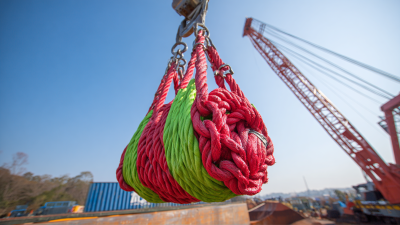
| Synthetic Rope Sling |
Polyethylene |
11 |
4.5 |
Maritime Operations |
Criteria for Selecting Safe and Durable Synthetic Slings
When selecting synthetic slings, safety and durability are paramount. Start by examining the material. Most high-quality slings are made from nylon or polyester. Nylon is strong but absorbs moisture. Polyester resists UV rays and is less stretchy. Understanding these materials helps make an informed choice.
Weight capacity is crucial. Each sling has a specified weight limit. This limit should exceed the expected load to ensure safety. Check for abrasion resistance as well. Slings that will face rough surfaces need extra durability. Many designs include protective sleeves to prevent wear. Always consider the operating environment. Temperature extremes, chemicals, and repeated use can impact longevity.
Rely on reputable specifications and user reviews. Users often share real-life experiences with slings. Learning from their insights can be invaluable. However, remember that all slings have a lifespan. Inspect them regularly for signs of wear. A small flaw today can cause a significant issue tomorrow. Using worn-out slings can lead to accidents. Consider that not all manufacturers detail the exact lifespan, which can lead to assumptions. Balancing expert guidance and user experiences is key to making a sound decision.
Top 10 Recommended Synthetic Sling Brands for Quality and Reliability
When it comes to synthetic slings, the importance of safety and durability cannot be overstated. Various industries rely heavily on these tools for lifting and securing heavy loads. A recent industry report highlights that around 70% of lifting incidents are related to equipment failure. Choosing the right synthetic sling can reduce these risks significantly.
Many reputable brands excel in producing high-quality synthetic slings. These brands often prioritize materials such as polyester and nylon, which enhance both strength and flexibility. Data shows that slings made from high-tenacity fibers can outperform traditional steel cables in certain applications. An analysis revealed that the right synthetic sling could provide load capacities ranging from 1 ton to over 100 tons, giving users ample choices for different applications.
Beyond materials and performance, reliability is crucial. Regular inspections and maintenance are key practices. Yet, many users overlook these steps. A staggering 40% of equipment failures could be attributed to insufficient care. Understanding proper usage and limitations is essential for maximizing safety. Investing in a top-quality synthetic sling starts with education and awareness of best practices in the industry.
Comparative Analysis of Synthetic Sling Materials and Their Properties
When choosing synthetic slings, understanding material properties is essential. Each type of material offers unique strengths and weaknesses. Nylon and polyester are common choices. Nylon slings have excellent elasticity but can absorb water. Polyester, on the other hand, is more UV-resistant and doesn’t absorb moisture. Knowing these traits helps in selecting the right sling for specific needs.
Consider the load capacity when selecting a sling. Each material has a maximum weight it can safely handle. Exceeding this limit can lead to failure. Regular inspections of slings are vital. Look for signs of wear or damage that can compromise safety.
Tips: Always follow weight guidelines. Use slings within their specified limits. Store slings in a cool, dry place to enhance durability.
Safety should not be taken lightly. Remember that improper use can lead to accidents. Misjudging the environment, like moisture and UV exposure, weakens slings over time. Being aware of these factors is crucial for effective use.
Maintenance and Safety Guidelines for Synthetic Sling Usage
When using synthetic slings, proper maintenance is essential for ensuring safety and longevity. Regular inspections allow users to identify any signs of wear or damage early. Look for fraying, cuts, or discoloration. These issues can compromise the strength and reliability of the sling. Even small defects can lead to significant risks during lifting operations.
Clean your synthetic slings after use. Avoid harsh chemicals that might degrade the material. Instead, use a mild detergent and warm water. Rinse thoroughly to remove any residue. Store slings in a cool, dry place away from direct sunlight. Exposure to UV light can weaken the fibers over time.
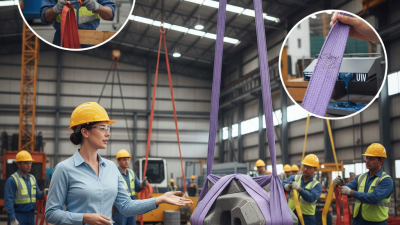
Educate workers on the correct usage of synthetic slings. Improper loading and lifting techniques can lead to accidents. Always ensure that the sling is rated for the load you'll be lifting. Remember, heavier loads require more robust slings. Frequent training sessions can enhance awareness of these safety guidelines. Mistakes happen; sharing experiences can prevent future issues.