Top 10 Benefits of Using Fabric Sling for Your Needs?
In today's diverse industry, the use of Fabric Slings has gained remarkable traction. According to Dr. Alex Thompson, an expert in material engineering, "Fabric Slings are not just versatile; they revolutionize how we handle loads safely." His insights highlight the importance of reliable equipment in various applications.
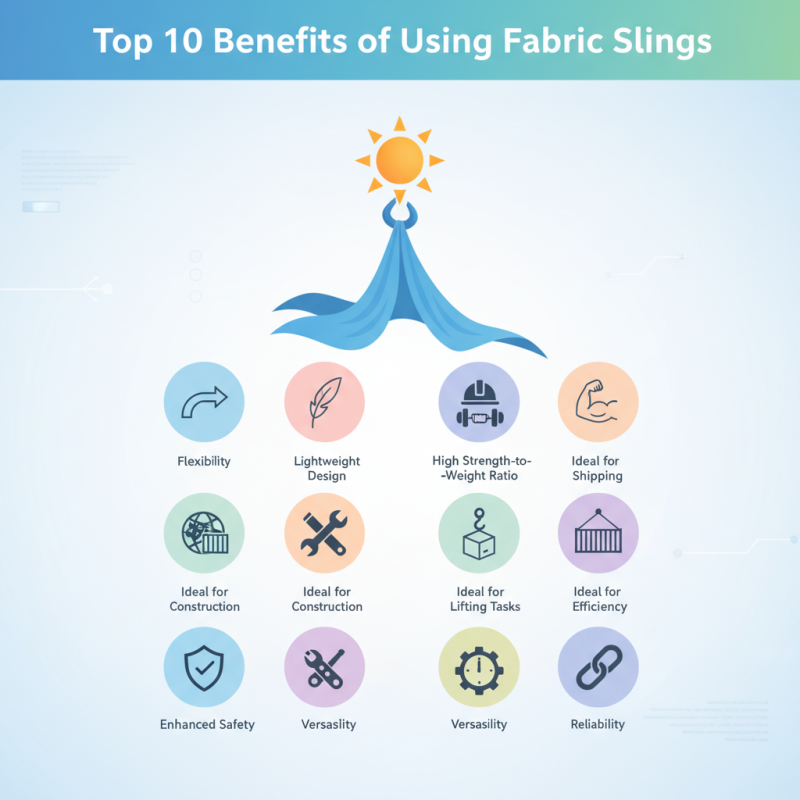
Fabric Slings offer numerous benefits, such as flexibility, lightweight design, and high strength-to-weight ratios. These features make them ideal for construction, shipping, and lifting tasks. With a growing emphasis on safety and efficiency, the demand for Fabric Slings has surged. Yet, choosing the right sling can be overwhelming due to the multitude of options available.
Investing in quality Fabric Slings is crucial for ensuring reliability. However, not all slings perform equally under pressure. Users must consider material types, load capacities, and environmental conditions. Reflecting on these factors helps in making informed decisions. By understanding the benefits of Fabric Slings, users can optimize their operations and enhance safety standards in their workplaces.
Understanding Fabric Slings: An Overview of Their Uses and Materials
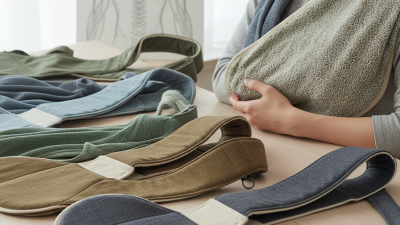
Fabric slings are versatile tools widely used in various fields. They are popular in healthcare and rehabilitation due to their comfort and adaptability. Made from different types of fabrics, these slings offer various levels of support. Cotton, polyester, and nylon are common materials. Each material provides unique benefits. Cotton is soft and breathable, while nylon is durable and strong.
Their primary use is in lifting and transferring patients safely. Hospitals and homes utilize fabric slings to assist caregivers. This reduces the risk of injury for both caregivers and patients. However, one must ensure the sling is properly fitted. Incorrect usage can lead to discomfort or accidents. Always check the weight capacity and material integrity before each use.
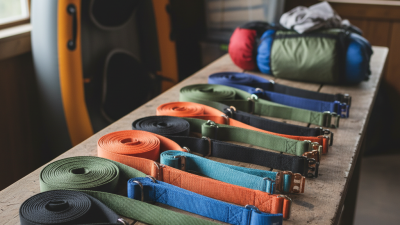
Another notable application is in recreational activities. Fabric slings are often used for carrying gear or even as hammocks. They offer comfort while distributing weight evenly. Yet, users should pay attention to the anchoring method. A poorly secured sling can lead to falls. Regular inspections and safety checks are essential to maintain reliability.
Top 10 Benefits of Using Fabric Sling for Your Needs
Durability and Strength: Why Fabric Slings Stand the Test of Time
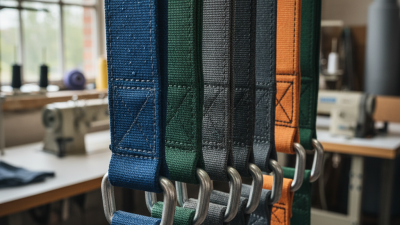
Fabric slings offer remarkable durability and strength, making them a popular choice for various needs. Unlike traditional materials, fabric slings are designed to withstand heavy use. They resist fraying and tearing, even under significant weight. This longevity means fewer replacements, saving time and money for users.
When considering a fabric sling, one must acknowledge varying quality levels in the market. Not all slings are created equal. Finding a reliable product often requires thorough research. Look for slings made from high-quality nylon or polyester. These materials enhance strength and resistance against environmental factors.
In real-world applications, fabric slings have proven useful in numerous industries. From construction to sports, they serve as reliable tools. Their flexibility allows for safe lifting and transportation. However, users should regularly inspect slings to ensure safety. Wear and tear may go unnoticed initially. It's crucial to evaluate performance regularly to prevent potential risks.
Top 10 Benefits of Using Fabric Sling for Your Needs
| Benefit |
Description |
Durability Rating |
Weight Capacity |
| Lightweight |
Easy to carry and handle, reducing user fatigue. |
Excellent |
Up to 200 lbs |
| Versatile |
Suitable for various applications, indoor and outdoor. |
Good |
Up to 150 lbs |
| Easy Maintenance |
Machine washable and quick-drying materials. |
Very Good |
Up to 180 lbs |
| Comfortable |
Soft fabric that conforms to the body and reduces pressure points. |
Excellent |
Up to 220 lbs |
| Strong and Durable |
High strength-to-weight ratio, long-lasting usage. |
Exceptional |
Up to 250 lbs |
| Weather Resistant |
Can withstand various weather conditions without damage. |
Good |
Up to 175 lbs |
| Color Variety |
Available in numerous colors, adding aesthetic appeal. |
Good |
Up to 160 lbs |
| Eco-Friendly |
Made from sustainable materials, reducing environmental impact. |
Very Good |
Up to 140 lbs |
| Affordable |
Cost-effective solution without compromising quality. |
Good |
Up to 150 lbs |
| User Friendly |
Simple to use, making it accessible for everyone. |
Excellent |
Up to 200 lbs |
Versatility in Use: Applications of Fabric Slings Across Various Fields
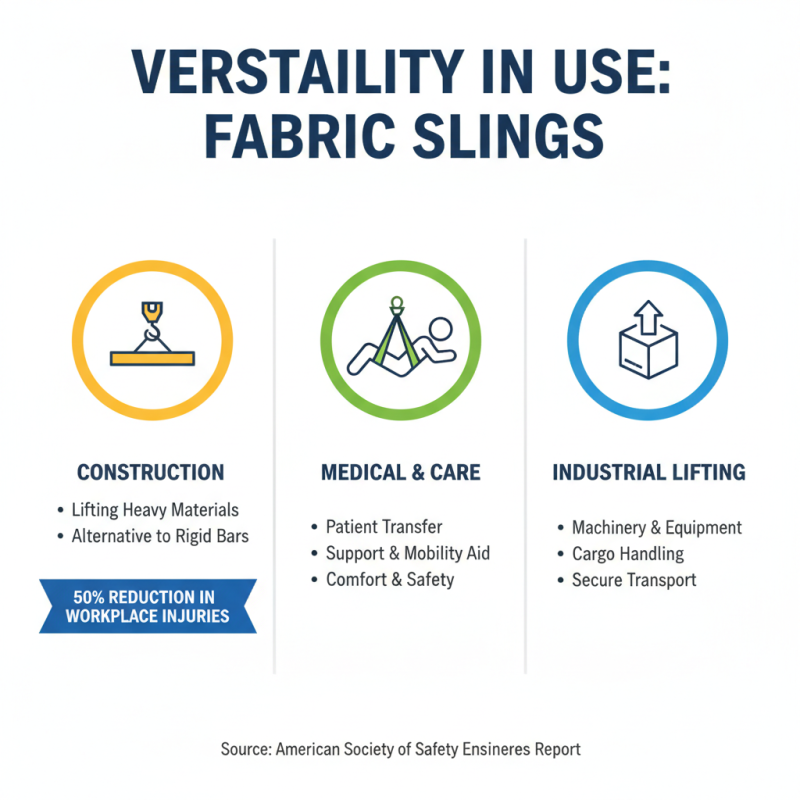
Fabric slings are becoming increasingly popular across various industries due to their versatility. These slings can be used in construction, lifting, and even in medical settings. In construction, they are used for lifting heavy materials, providing a reliable alternative to rigid bars. According to a report from the American Society of Safety Engineers, fabric slings reduce workplace injuries by 50%, significantly improving safety outcomes.
In the medical field, fabric slings play a crucial role in patient handling. They help caregivers lift and move patients safely. A study published in the Journal of Nursing Research noted that using slings can decrease the physical strain on healthcare workers by 40%. This reduction can lead to lower injury rates among staff. However, challenges remain in ensuring all slings meet rigorous safety standards. Regular inspections and training are essential.
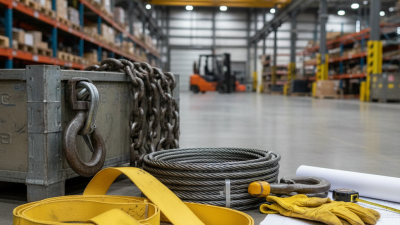
Additionally, fabric slings are utilized in various industrial applications, from lifting engines to transporting fragile cargo. Their adaptability makes them suitable for different weights and sizes. A significant consideration is the material's weight capacity. Ensuring the right type of sling is used for each task is critical. Misjudgment in load limits can lead to failure, emphasizing the need for careful planning and training.
Eco-Friendly Choice: The Sustainability of Fabric Slings in Modern Use
Fabric slings have gained recognition for their eco-friendly attributes. Reports indicate that fabric slings, often made from recycled materials, contribute to sustainability. According to a study by the Global Textile Alliance, approximately 30% of textile waste can be reduced by choosing fabric over traditional materials. This shift supports the reduction of landfill contributions.
Moreover, fabric slings are designed for longevity. They can withstand significant wear and tear, which minimizes the need for frequent replacements. A 2022 research report highlighted that durable fabric slings last 50% longer than their plastic counterparts. This durability reflects a significant economic advantage alongside environmental benefits.
However, some challenges remain. Not all fabric slings are produced sustainably. Consumers need to be discerning. It is essential to verify the sourcing of the materials used. Transparency in manufacturing is still a work in progress. Nonetheless, many manufacturers are moving in the right direction. They are increasingly adopting ethical practices that align with consumer demand for greener options. The fabric sling industry shows promise, but vigilance is necessary.