Buy Ratchet Straps Online Top Quality Options for Global Suppliers?
In the world of cargo transport, "Ratchet Straps" are crucial for securing loads. Industry expert, John Mercer, stresses their importance: "Quality ratchet straps are essential for safe transportation." This statement holds true for companies looking to buy ratchet straps online.
Choosing the right ratchet straps can be overwhelming. With numerous suppliers around the globe, it is vital to identify those offering top-quality products. Not all options guarantee durability or reliability. When looking for ratchet straps, consider factors like material, break strength, and user reviews.
Navigating the online marketplace involves careful research. Many suppliers may offer competitive prices. However, the cheapest option isn't always the best. Finding a balance between cost and quality is crucial. Be cautious and reflect on the potential risks involved with subpar products. Investing in reliable ratchet straps ensures safer transport and long-term savings.

Understanding Ratchet Straps: Definition and Key Features
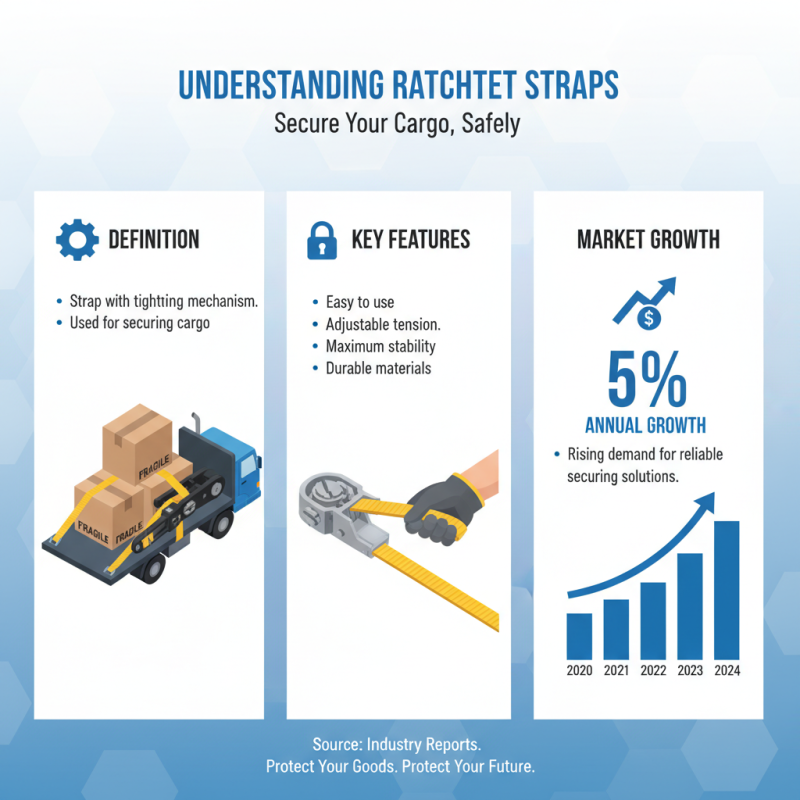
Ratchet straps are essential tools for securing cargo during transportation. They consist of a strap and a ratchet mechanism that tightens the strap around the load. This simple yet effective design allows for easy adjustment and maximizes stability. According to industry reports, the ratchet strap market is expected to grow by 5% annually, showcasing the rising demand for reliable securing solutions.
Key features of ratchet straps include their material strength and durability. Most straps are made from polyester or nylon, offering resistance to wear and tear. The breaking strength of a strap can range from 1,500 to over 10,000 pounds, depending on its application. Inadequate knowledge of specifications can lead to accidents. Users must always check the load limits. A strap that appears fine may not hold under strain.
Proper usage also requires attention. It’s crucial to inspect ratchet straps for fraying or damage before each use. Over time, exposure to elements can weaken them. Studies indicate that about 30% of transport-related accidents could be prevented with better equipment maintenance. This highlights the importance of using high-quality ratchet straps and ensuring they are in good condition. Investing in quality straps can significantly improve safety during cargo transport.
Types of Ratchet Straps: Choosing the Right Option for Your Needs
When selecting ratchet straps, it’s vital to understand the different types available. These straps come in various sizes, materials, and load capacities. The most common types include standard, heavy-duty, and specialized straps. Each type has its advantages and intended uses. A standard ratchet strap works well for light to medium loads. Heavy-duty options are better for transport or securing larger items.
Material is another important factor. Nylon and polyester are widely used for their durability and strength. Nylon provides excellent flexibility, while polyester offers great resistance to UV rays. Depending on your needs, you may find that one material outperforms the other. Also, consider the width of the strap. Wider straps distribute weight better but may not fit into tight spaces.
Choosing the right ratchet strap requires careful assessment. Think about the weight of your items and the environment where you’ll use them. Some users overlook small details, like strap length or hook type. These can affect functionality. Take your time to reflect on these aspects before making a decision, as the right choice ensures safety and efficiency during transport.
Ratchet Straps Usage by Type in Different Industries
Industry Standards: Quality Certifications for Ratchet Straps
When purchasing ratchet straps, understanding industry standards is crucial. Quality certifications guarantee that the straps meet safety and performance requirements. The American National Standards Institute (ANSI) certifies products to ensure they can withstand substantial loads without failing.
According to a recent industry report, approximately 30% of accidents related to cargo handling involve inadequate securing methods. This highlights the necessity of using certified ratchet straps. Straps should pass rigorous testing for tensile strength and durability. They must also fulfill guidelines set by the Occupational Safety and Health Administration (OSHA).
Unfortunately, not all suppliers provide certified products. Many low-cost options in the market lack quality assurance. This raises concerns about their reliability. A certification is a stamp of approval, indicating the product went through testing. It's important for buyers to ask for certification documentation when sourcing ratchet straps. A lack of this can reflect poorly on a supplier's transparency and commitment to safety measures. Quality matters when it comes to securing cargo effectively.
Buy Ratchet Straps Online Top Quality Options for Global Suppliers? - Industry Standards: Quality Certifications for Ratchet Straps
| Dimension |
Material |
Capacity (lbs) |
Length (ft) |
Certification |
| 1 inch x 15 feet |
Polyester |
1,500 |
15 |
DOT, ISO 9001 |
| 2 inch x 20 feet |
Nylon |
3,333 |
20 |
CE, REACH |
| 1.5 inch x 12 feet |
Polyester |
2,600 |
12 |
SAA, ASTM |
| 2 inch x 30 feet |
Nylon |
4,000 |
30 |
ISO 14001, SGS |
| 1 inch x 10 feet |
Polypropylene |
1,000 |
10 |
TUV, UL |
Global Suppliers: Leading Brands and Their Quality Ratings
When sourcing ratchet straps online, quality is a critical consideration. Numerous industry reports indicate that the performance of ratchet straps can significantly impact the safety and efficiency of transport operations. According to a recent survey by the International Cargo Handling Coordination Association, 30% of logistics failures are attributed to inadequate securing methods. Thus, identifying leading global suppliers with consistent quality ratings is essential.
In recent years, reputable suppliers have been developing rigorous quality assurance protocols. These include frequent testing of tensile strength and comparing them against industry benchmarks. Research highlights that straps with a minimum break strength of 5,000 pounds are recommended for heavy loads. Suppliers often obtain certifications from recognized organizations, ensuring that their products meet international safety standards. This fosters confidence among users and minimizes risks during transportation.
Tips: Always check for user reviews before making a purchase. Real experiences offer valuable insights. Additionally, consider straps with a protective cover to enhance durability. Look for suppliers that provide transparent reporting on their quality control processes. This transparency is crucial in selecting reliable products.
Buying Guide: Evaluating Price vs. Quality in Ratchet Straps
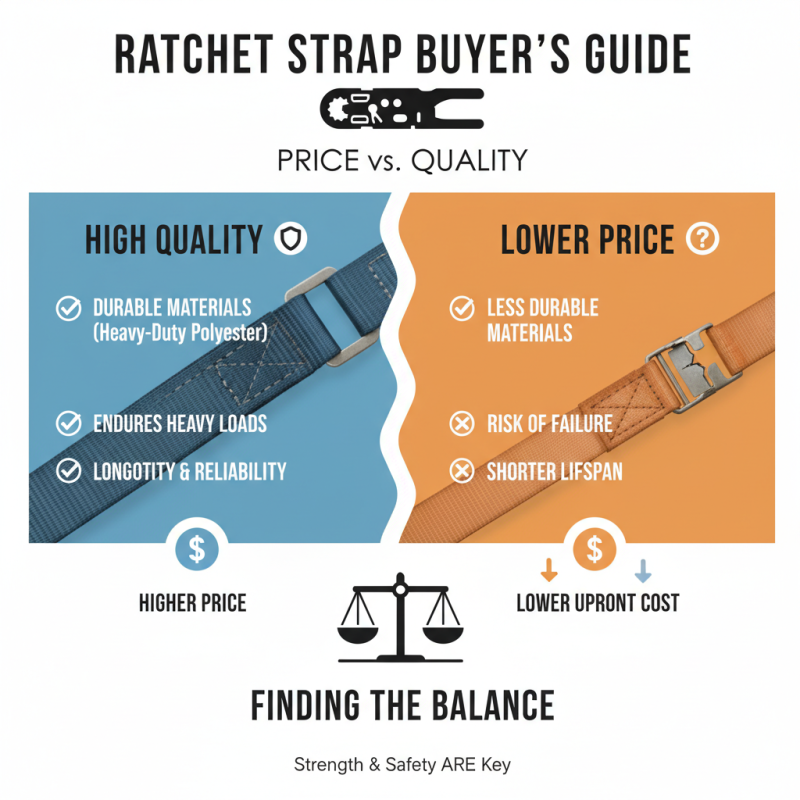
When seeking ratchet straps, price and quality are primary considerations. High-quality ratchet straps are designed to endure heavy loads and stress. These straps often feature durable materials, like heavy-duty polyester, ensuring strength and longevity. But, premium quality often comes at a higher price. Striking the right balance between cost and reliability can be challenging.
Many buyers may opt for cheaper options, but they might sacrifice safety. Inadequate straps can lead to cargo shifts, resulting in accidents. It’s crucial to assess the specifications. A well-made strap will have a working load limit clearly marked. It is not just about the initial cost; think about the potential costs of damages caused by subpar products.
Consider reading reviews and seeking expert opinions. Understanding user experiences can shed light on long-term performance. Reliable suppliers often provide detailed information about their products. Even minor details, like stitching and buckle design, are important. A strap that looks good might not perform well under pressure. It's essential to choose wisely, focusing on a product that ensures safety and performance over time.