How to Use Ratchet Straps for Secure Transport?
Transporting items securely is essential. One effective tool for this purpose is Ratchet Straps. These straps help in tightly securing loads, preventing shifts during transit.
When using Ratchet Straps, the right technique matters. Properly threading and ratcheting can make a difference. A loose strap can lead to accidents. Visualizing the load is crucial. Does it look secure? Could something shift?
Remember, practice makes perfect. Even seasoned users can make mistakes. A little tension is good, but over-tightening can risk damage. Reflect on your past experiences with Ratchet Straps. What went wrong? What can be improved?
Understanding Ratchet Straps and Their Components
Ratchet straps are versatile tools for securing loads during transport. Understanding their components is vital for safe use. A standard ratchet strap consists of a webbing, a ratchet mechanism, and hooks. The webbing is typically made of polyester or nylon. It offers strength and resistance to abrasion. According to industry reports, the safe working load limit of ratchet straps can range from 1,000 to 5,000 pounds depending on their width and material.
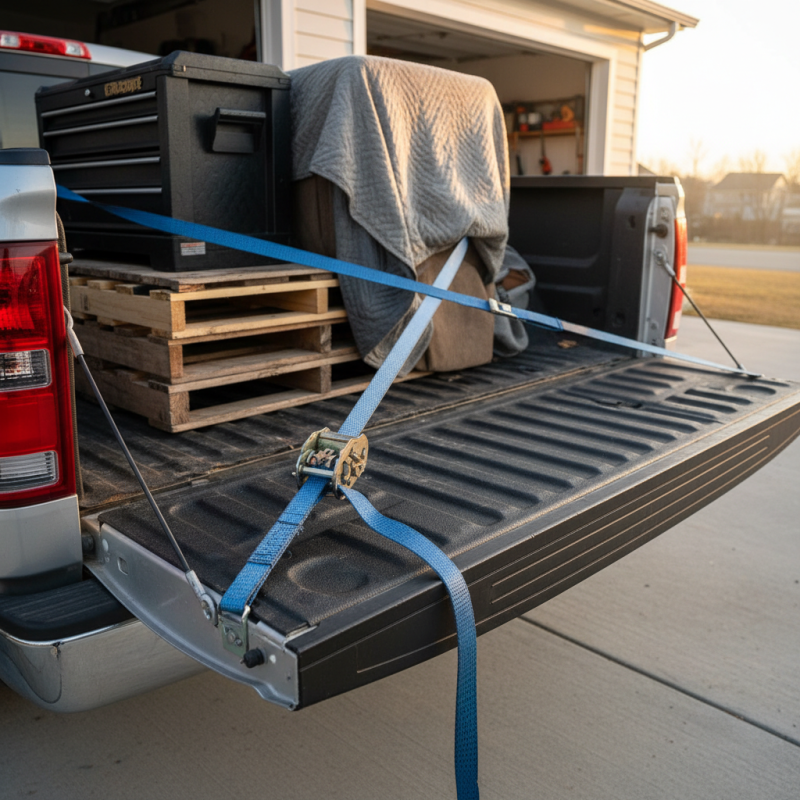
The ratchet mechanism allows for easy tensioning. Users can tighten the strap around the load securely. Hooks at the end of the webbing attach to anchor points. These points can be in a truck bed, trailer, or other transport vehicles. However, misalignment or insufficient tension can lead to slippage. Reports indicate that improperly secured loads are a common cause of transport accidents. It’s advisable to inspect the straps regularly for wear and tear, as this can compromise safety.
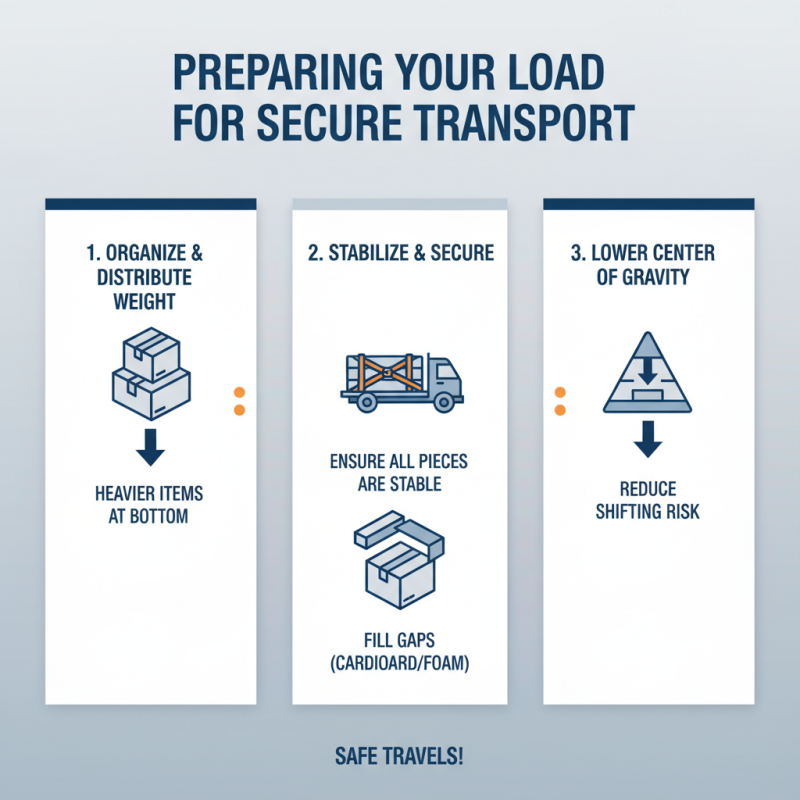
Proper usage requires more than just tools. It demands attention to detail and an understanding of weight distribution. Some users underestimate the importance of load presentation. Fluctuations during transport can shift the cargo’s center of gravity. Knowledge about the components of ratchet straps can greatly enhance transport safety. Yet, always stay vigilant. Make adjustments as necessary to prevent mishaps on the road.
Usage of Ratchet Straps in Secure Transport
Step-by-Step Guide to Properly Using Ratchet Straps
Using ratchet straps effectively is key for safe transport. Begin by selecting the right strap for your load. A strap that is too long or too short can lead to problems. Always inspect your straps beforehand. Look for frays or any signs of wear. This step seems minor, but it’s crucial for safety.
To start tying down the load, position the strap properly. Loop it around the item securely. The ratchet assembly should be accessible for you. After securing the strap, start tightening. This is where many people make mistakes. They either over-tighten or don’t tighten enough. Ideally, the strap should hold the load firmly, but not crush it.
Once tightened, check everything again. Is the load still stable? Look for shifting during transport. If the straps slip, you may lose your cargo. It’s worth revisiting your approach after each transport. Learning from each experience will improve your technique. Ratchet straps can be your best ally if used properly.
How to Use Ratchet Straps for Secure Transport? - Step-by-Step Guide to Properly Using Ratchet Straps
| Step |
Description |
Tips |
| 1 |
Choose the right ratchet strap length and capacity for your load. |
Measure the load and select straps that exceed the weight limit. |
| 2 |
Approach the load methodically, ensuring the anchor points are secure. |
Inspect anchor points for potential wear or damage. |
| 3 |
Thread the strap through the ratchet and pull to tighten. |
Avoid over-tightening which can damage the load. |
| 4 |
Secure the excess strap to prevent it from flapping during transport. |
Use strap keepers or tie the excess to the load. |
| 5 |
Conduct a final inspection of the straps and load before transport. |
Check for tightness and stability. |
Tips for Adjusting and Securing Ratchet Straps
When using ratchet straps, proper adjustment and securing techniques are essential. Start by positioning the strap across the cargo. Make sure it is straight and not twisted. A twisted strap can lose its strength. Loop the free end through the ratchet mechanism. Pull it tight to remove slack, but don’t overdo it. Over-tightening can damage the cargo.
Next, engage the ratchet by moving the handle up and down. Keep an eye on your cargo as you tighten. The goal is a firm hold without crushing items. Sometimes, it’s easy to get carried away and apply too much force. This could compromise the integrity of fragile items.
After securing, double-check the tension by tugging on the straps. If needed, adjust for a snug fit. It’s better to take a little extra time ensuring security rather than risking a loose strap. A minor adjustment can make a significant difference during transport. Remember, your attention to detail can prevent accidents.
Safety Practices for Using Ratchet Straps Effectively
Using ratchet straps can be quite effective for securing loads during transport. However, safety practices are essential for proper use. Make sure the strap is in good condition. Look for frays and tears. Damaged straps can fail under tension. This can lead to accidents and injuries.
When using ratchet straps, ensure you know the correct tension. Over-tightening can damage the cargo or the strap itself. Conversely, if it’s too loose, your load can shift during transport. Take time to adjust carefully. Aim for a snug fit.
**Tip:** Always place a protective blanket over sharp edges. This prevents wear on the straps. Additionally, check your strap’s rating. Different loads require different strengths.
Lastly, remember to secure the ratchet after use. Store straps in a dry place to avoid mildew. Review your techniques regularly to maintain safety practices. If something feels off during use, stop and reassess. Personal safety should always come first.