What is a Webbing Strap and How is it Used?
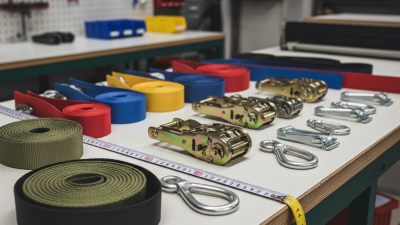
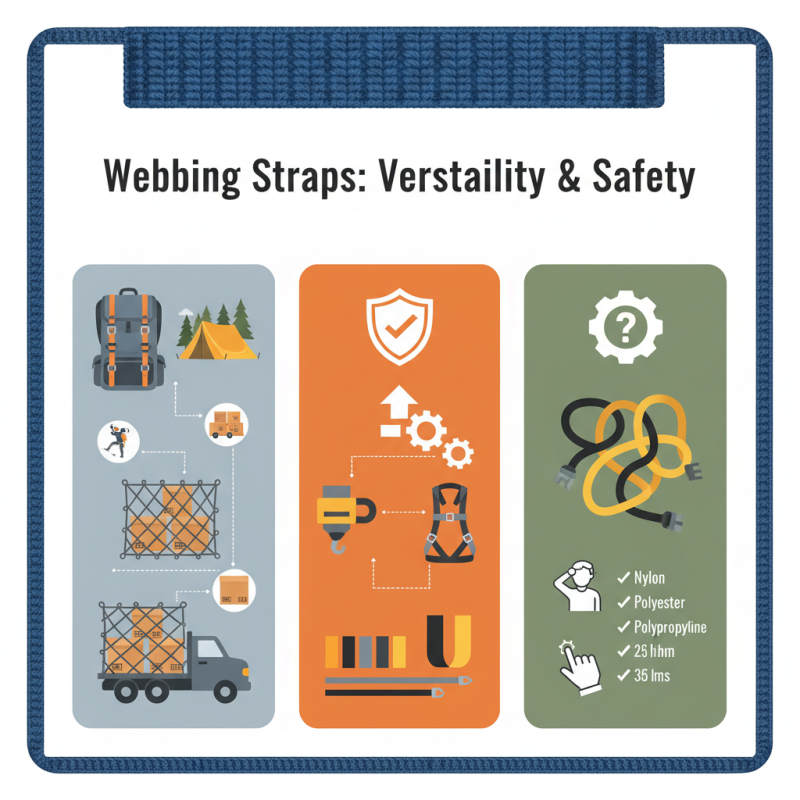
A webbing strap is an essential tool in various industries. According to industry expert John Mitchell, "The versatility of webbing straps makes them indispensable." These durable straps are often used in outdoor activities, like camping, and in cargo securing. They come in various widths and materials, allowing users to choose the right one for their needs.
Webbing straps are more than just functional; they offer safety and reliability. In high-stress situations, their strength can prevent significant accidents. However, it's important to select the right type of webbing strap. Using an inappropriate strap can lead to failures. This area calls for reflection on how critical proper usage is to ensure safety.
Despite their many advantages, webbing straps can sometimes cause frustration. Choosing the wrong size or type often results in inefficiency. Users should take their time selecting the right webbing strap. By doing so, they can greatly enhance effectiveness and safety in their activities.
What is a Webbing Strap?
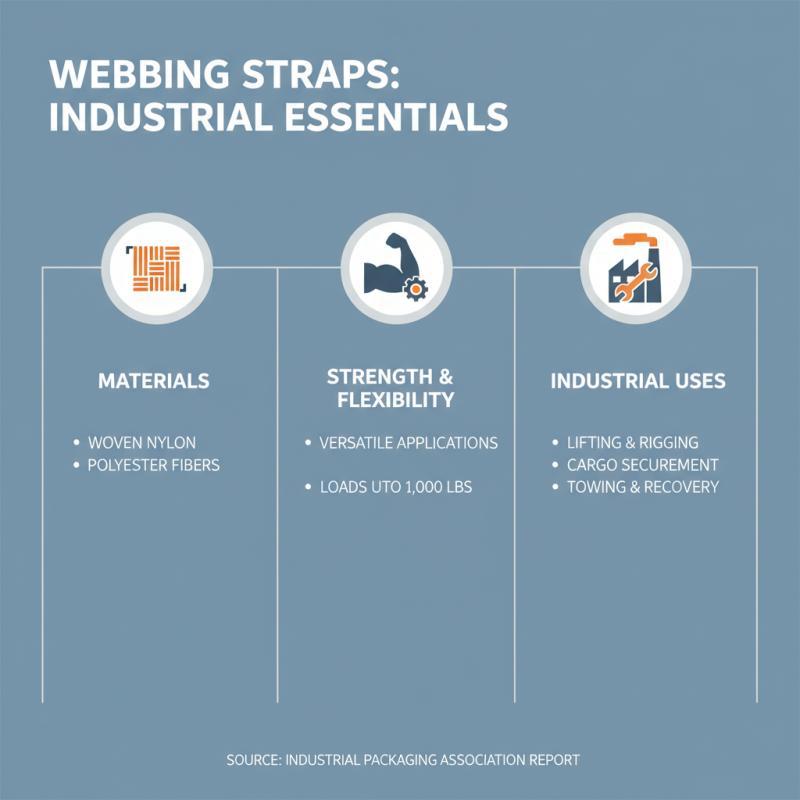
Webbing straps are essential tools widely utilized in various industries. These straps are typically made from woven nylon or polyester fibers. Their strength and flexibility make them ideal for numerous applications. A report from the Industrial Packaging Association indicates that webbing straps can support loads up to 1,000 pounds, depending on the width and material used.
Their usage spans from securing cargo in transportation to creating outdoor gear. Many outdoor enthusiasts rely on webbing straps for climbing, hiking, or camping. They can be easily adjusted, allowing for versatile use. However, one common oversight is neglecting to inspect the straps regularly. Wear and tear can significantly reduce their effectiveness.
Tips: Always check for frays or abrasions before use. Store webbing straps in a cool, dry place to maintain their integrity. Using the correct width for your specific task is crucial. A strap that’s too narrow may fail under pressure. It’s essential to reflect on your gear choices regularly. Think about performance and safety.
Materials Used in Webbing Straps
Webbing straps are versatile and widely used in various applications. The materials chosen for these straps significantly impact their functionality and durability. Common materials include nylon and polyester. Both offer excellent strength and resistance to wear.
Nylon webbing is known for its elasticity. It can stretch under load but bounces back to shape. This feature is beneficial in dynamic applications, like climbing gear. However, over time, it can absorb moisture, weakening the material. Proper care and drying methods can extend its lifespan.
Polyester, on the other hand, is less elastic. It provides more stability under tension, making it a popular choice for securing items. Polyester webbing resists UV degradation better than nylon, making it suitable for outdoor use. Its limited stretch could be a drawback in some situations, requiring careful consideration based on needs. Choosing the right material sometimes feels challenging. Understanding the specific advantages and disadvantages of each material is vital for making an informed decision.
What is a Webbing Strap and How is it Used? - Materials Used in Webbing Straps
| Material Type |
Properties |
Common Uses |
Strength Rating |
| Polyester |
Durable, UV resistant |
Outdoor gear, cargo securing |
2500 lbs |
| Nylon |
Elastic, abrasion resistant |
Towing, climbing |
2000 lbs |
| Polypropylene |
Lightweight, cost-effective |
DIY projects, lightweight straps |
1500 lbs |
| Cotton |
Soft, comfortable |
Fashion accessories, bags |
800 lbs |
Common Applications of Webbing Straps
Webbing straps are versatile tools used across various industries. They are primarily made from nylon or polyester, offering strength and durability. Common applications of webbing straps include securing cargo during transportation, outdoor recreation, and safety harnesses. According to industry data, the global market for webbing products is projected to reach $3.92 billion by 2025, highlighting their significant demand.
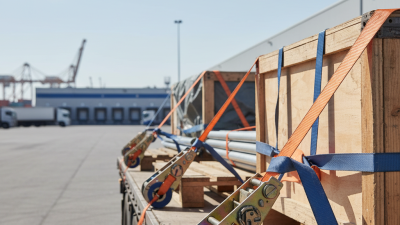
In shipping and logistics, webbing straps play a critical role in load securing. A study shows that over 30% of cargo damage occurs during transit, often due to improper securing methods. These straps help mitigate risks and ensure that goods arrive intact. In outdoor activities, webbing straps are frequently employed in camping and climbing. They serve as essential components of gear like tents and harnesses. However, improper use or inadequate knowledge can lead to accidents. Straps may wear over time, and regularly checking their condition is vital.
Despite their benefits, some users may overlook the importance of proper application. Reports suggest that nearly 50% of accidents related to webbing straps are due to user error. This underscores the need for more education on their safe usage. Awareness and training must improve to fully harness the advantages of webbing straps in various applications.
How to Use and Secure Webbing Straps
Webbing straps are versatile tools used in various industries for securing loads and performing outdoor activities. When using these straps, it's essential to ensure their proper application to maximize safety and efficiency. For instance, data from industry reports indicate that the correct usage of webbing straps can reduce accidents by nearly 30% in warehousing scenarios. Additionally, correct securing methods can improve load stability by 15%, which is critical during transportation.
To use a webbing strap effectively, start by choosing the right length and width for your needs. Ensure the strap is free of wear and tear. Loop the strap around the item you’re securing and feed the end through the buckle. Tightening should be done carefully; over-tightening can cause damage and under-tightening may lead to slippage. Observational studies highlighted that many users fail to check the strap tension before transit, which can be a significant oversight. It's also important to inspect the buckle mechanism after each use to prevent potential failures.
For securing larger loads, consider using multiple straps. This provides additional safety and stability. Studies show that loads secured with at least two straps are 45% less likely to shift during transit. However, improper usage still occurs frequently, especially among inexperienced users. Attention to detail is essential; a few extra minutes spent securing a load can prevent costly accidents later on.
Webbing Strap Usage Statistics
Care and Maintenance of Webbing Straps
Webbing straps are strong and versatile tools. They are often used in various applications, from securing loads to crafting DIY projects. Proper care and maintenance are essential to ensure their longevity. A little effort can go a long way in keeping them functional.
Cleaning your webbing straps regularly is crucial. Use mild soap and water to remove dirt or debris. Rinse thoroughly to avoid soap residue. Dry them completely before storing. Moisture can lead to mold or mildew, deteriorating the material. Store them in a cool, dry place, away from direct sunlight, which can weaken the fibers over time.
Inspect your straps for signs of wear. Look for fraying or discoloration. If you notice any damage, it’s wise to replace the strap. Don’t overlook small issues. They can lead to bigger problems. A well-maintained webbing strap can last for years, but neglecting it could lead to failure when you need it most. Pay attention to details for safe and effective use.