2026 Top Polyester Webbing Trends for Global Buyers?
The global market for polyester webbing is witnessing significant transformation, driven by innovative applications and evolving consumer preferences. According to a recent industry report, the polyester webbing market is projected to grow at a CAGR of 5.2% through 2026. This growth is fueled by increasing demand in the automotive, outdoor, and military sectors. Polyester webbing stands out for its durability, resistance to UV light, and moisture.
Key trends indicate a surge in eco-friendly materials. Brands are adopting sustainable practices to meet consumer demand for greener solutions. However, with this push come challenges, including sourcing high-quality recycled materials that maintain performance standards. While some manufacturers excel in these areas, others struggle, highlighting the need for continuous improvement.
As global buyers navigate this evolving landscape, awareness of technical specifications becomes vital. Not all polyester webbing is created equal; variations in weave, tensile strength, and resistance properties are crucial for specific applications. Buyers must assess their needs thoroughly to select the right product, reflecting shifting market dynamics and consumer expectations.
Emerging Innovations in Polyester Webbing for 2026
The polyester webbing industry is evolving rapidly, showcasing innovations set to define 2026. Emerging technologies focus on strength and durability. New production techniques enhance both the flexibility and resistance of webbing materials. Buyers seek stronger, lightweight options. Environmental sustainability remains pivotal, driving the development of recycled polyester fabrics. This shift not only benefits the planet but also meets consumer demands for eco-friendly products.
Tips: When selecting webbing, consider the weight capacity needed. Test different tensile strengths. Ensure the chosen type matches the intended application.
Moreover, smart fabrics are on the rise. These offer functionalities such as temperature regulation and moisture-wicking properties. While these advancements are exciting, they require thorough evaluation. Not all webbing that claims to be ‘smart’ is effective. Engage with suppliers and request samples for hands-on testing.
As the industry adapts, it’s essential to stay updated. Follow market trends and innovations closely. A proactive approach in selecting materials can lead to better product performance. Ensure your choices prioritize quality and functionality. The landscape is dynamic, so keep an eye on emerging standards in durability and sustainability.
Sustainability Trends Impacting Polyester Webbing Production
Sustainability is reshaping polyester webbing production globally. Recent reports indicate that nearly 50% of polyester produced in 2023 incorporates recycled materials. This shift is driven by increasing consumer awareness and regulatory pressures. Companies are re-evaluating sourcing strategies to align with eco-friendly initiatives.
Emerging trends show that lightweight, durable webbing materials are favored. Sustainable fibers, such as bio-based polyester, are gaining traction. A study highlighted a 30% growth in demand for eco-friendly webbing applications in the automotive and outdoor industries. Buyers are focusing on lifecycle assessments, aiming for products that balance durability and environmental impact.
Despite progress, challenges remain. Limited availability of recycled materials can hinder production scalability. Not all manufacturers have the infrastructure to support sustainable practices. This scenario creates an opportunity for innovative solutions to bridge the gap. As the industry evolves, staying informed is vital for buyers seeking sustainable options in polyester webbing.
2026 Top Polyester Webbing Trends for Global Buyers - Sustainability Trends Impacting Polyester Webbing Production
| Trend |
Impact on Production |
Sustainability Benefits |
Market Demand |
| Recycled Materials |
Increased sourcing of recycled PET |
Reduces landfill waste and carbon footprint |
Higher demand for eco-friendly products |
| Durability Innovations |
Enhancements in weaving technology |
Longer product lifespan, reducing consumption |
Increased interest in high-performance materials |
| Biodegradable Options |
Research into plant-based fibers |
Contributes to soil health and reduces plastic waste |
Niche growth in eco-conscious markets |
| Smart Webbing |
Integration of technology for adaptive uses |
Enhanced functionality without additional materials |
Growing interest in tech-enhanced products |
| Circular Economy Practices |
Emphasis on recycling and reusing materials |
Reduction of resource extraction impacts |
Heightened consumer awareness and demand |
Key Applications of Polyester Webbing in Various Industries
Polyester webbing is becoming essential in various industries. It is strong, lightweight, and versatile. Manufacturers increasingly turn to this material for key applications ranging from outdoor gear to automotive components. The durability of polyester webbing makes it ideal for heavy-duty use.
In transportation, polyester webbing is critical for safety and efficiency. It is used in seat belts and cargo straps. These applications require high tensile strength and resistance to wear. In the outdoor equipment industry, backpacks and harnesses utilize polyester webbing for its lightweight properties. This enhances user comfort during hiking or climbing adventures.
Tips: Choose webbing with the right width. Thicker webbing offers more strength but can add weight. Check the UV resistance if used outdoors. Look for options that feature water resistance, especially for marine applications. Proper selection ensures durability in demanding environments.
The textile industry also leverages polyester webbing for fashion accessories. Designers use it in belts and straps for bags. Sustainable practices in production can enhance brand value. However, it's crucial to assess the ecological impact of sourcing materials. These reflections can lead to better practices in the long run.
Global Market Insights: Demand and Supply of Polyester Webbing
The demand for polyester webbing has seen consistent growth globally, driven by various industries. According to a recent report by Grand View Research, the polyester webbing market is projected to reach $1.4 billion by 2026, expanding at a compound annual growth rate (CAGR) of 4.5%. This growth is attributed to the increasing adoption of lightweight and durable materials in packaging, automotive, and outdoor equipment sectors.
While demand rises, understanding supply chains is crucial. The production of polyester webbing often faces raw material fluctuations. The availability and price of polyester fibers can significantly impact overall costs. Manufacturers must navigate these challenges carefully to maintain competitiveness. It is essential for companies to diversify their suppliers and invest in sustainable sourcing practices.
Tips:
- Focus on quality over quantity in your supply chain.
- Regularly assess your suppliers to ensure adherence to environmental standards.
- Monitor market trends closely to adapt to changes in material costs effectively.
- Revisit your sourcing strategies to incorporate more resilient and diverse options for better risk management.
Design and Aesthetic Trends in Polyester Webbing for Buyers
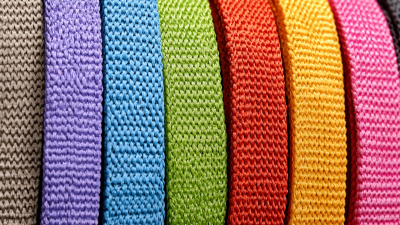
Polyester webbing is witnessing a significant shift in design and aesthetics. As buyers look for innovative solutions, the demand for versatile colors and patterns is rising. According to a market report, the polyester webbing segment will grow by 6% annually through 2026. This trend highlights a broadening acceptance of vibrant hues and unique textures, as consumers seek webbing that complements their individual styles.
Sustainability continues to play a crucial role in influencing design. With a focus on eco-friendly materials, manufacturers are experimenting with recycled polyester. This not only appeals to environmentally conscious buyers but also opens avenues for distinctive designs. Incorporating natural tones alongside bright accents reflects a harmonious balance in aesthetic appeal.
Tips: When shopping for polyester webbing, consider the end-use. A rugged outdoor application may benefit from darker colors, while fashion accessories can shine in bright, bold palettes. Assessing durability alongside design ensures a practical yet stylish choice. Be cautious; not all colorful options maintain their vibrancy after exposure to the elements. Always check product reviews and performance testing data.
2026 Top Polyester Webbing Trends for Global Buyers