2026 Top Webbing Strap Trends for Global Buyers?
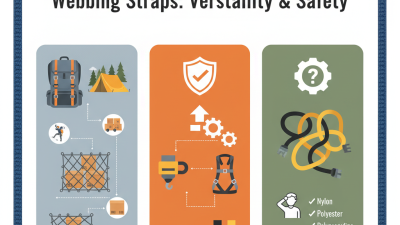
As the demand for durable and versatile materials rises, the webbing strap industry is evolving rapidly. Industry expert Michael Chen, a veteran in the field, states, "Innovations in webbing straps will shape how various sectors approach safety and efficiency." This trend highlights the growing importance of webbing straps in sectors like outdoor gear, automotive, and military applications.
Webbing straps are not just functional; they represent a blend of utility and innovation. In 2026, global buyers will be focusing on materials that offer both strength and lightweight properties. Companies are investing in eco-friendly options. Yet, some manufacturers struggle with consistency in quality.
Understanding these trends is crucial. Global buyers want reliable suppliers who can deliver the latest innovations in webbing straps. Awareness of emerging materials and designs will be key. The journey toward improvement is ongoing, with many areas needing attention and refinement.

Emerging Innovations in Webbing Strap Materials for 2026
As we look toward 2026, webbing strap innovations are taking center stage. Material advancements are crucial for enhancing durability and functionality. New technologies focus on lightweight, yet strong materials. For instance, bio-based polymers are emerging as sustainable options. These materials offer an eco-friendly alternative without sacrificing performance.
Another trend is smart webbing straps equipped with sensors. These straps can monitor load weights and provide real-time feedback. This technology could revolutionize safety standards in various industries. However, the reliability of this integration still requires thorough testing. Not all companies may be ready to adopt such advancements swiftly.
The push for customization is also notable. Users want straps tailored to specific needs. This trend may lead to a wider variety of colors, patterns, and sizes. Brands need to ensure quality while meeting diverse consumer demands. Balancing innovation and practicality remains a challenge. As trends evolve, the industry must adapt continually.
Sustainability Trends Impacting Webbing Strap Production and Design
In recent years, sustainability has become a crucial aspect of webbing strap production. Manufacturers are increasingly focusing on eco-friendly materials. These include recycled plastics and organic fibers. Eco-conscious consumers demand products that minimize environmental impact. This shift is encouraging designers to explore sustainable options.
The design process is evolving to include sustainability principles. Innovative techniques are being developed to reduce waste. However, achieving true sustainability remains challenging. Some materials still require significant resources for production. Brands must balance quality with eco-friendliness. This tension often leaves room for improvement.
As trends shift towards sustainability, consumer awareness grows. Buyers are interested in the lifecycle of products. They want to know how items are made and what happens afterward. Transparency is becoming essential in the industry. Straps that come with clear sustainability credentials are more appealing. This trend will likely continue shaping production in the coming years.
Key Design Features of Webbing Straps to Watch in 2026
As we look ahead to 2026, webbing straps continue to evolve in design and functionality. Enhanced durability emerges as a crucial feature. Manufacturers are focusing on materials that withstand wear and tear while maintaining flexibility. This durability is vital for outdoor gear, automotive applications, and fashion accessories. Straps made from high-strength synthetic fibers can meet these demands effectively.
Another key design trend is customizability. Buyers desire options tailored to their specific needs. This includes adjustable lengths, varying widths, and multiple color choices. Personalization adds value. Buyers want their straps to reflect individuality while serving practical purposes.
Tip: When selecting a webbing strap, consider the environment in which it will be used. Water-resistant options are available for outdoor activities.
Sustainability emerges as a significant consideration. Eco-friendly materials are becoming increasingly popular in webbing strap production. More manufacturers are adopting recycled materials. This shift aligns with consumer demand for environmentally responsible products. Not every product follows this trend yet, indicating room for growth.
Tip: Research brands committed to sustainable practices. This helps in making informed choices that contribute to a greener future.
As 2026 approaches, the focus on functionality and innovation will dominate webbing strap design. The market is witnessing increased collaboration between designers and consumers. This relationship fosters innovation that meets emerging needs.
2026 Top Webbing Strap Trends for Global Buyers
| Trend |
Key Design Feature |
Material |
Suitable Use |
Expected Market Growth (%) |
| Eco-friendly Webbing |
Biodegradable materials |
Organic cotton, recycled polyester |
Outdoor equipment, fashion accessories |
15% |
| Smart Webbing |
Integrated sensors |
Nylon, silicone |
Fitness trackers, safety gear |
20% |
| Customizable Webbing |
Personalized designs |
Polyester, polypropylene |
Branded merchandise, promotional items |
10% |
| Multifunctional Straps |
Versatile design for various applications |
Nylon, cotton blend |
Camping, travel, and DIY |
12% |
| Reflective Webbing |
Safety enhancement features |
Reflective threads, nylon |
Safety gear, outdoor, and sports |
18% |
Global Market Analysis: Demand for Webbing Straps Across Regions
The global demand for webbing straps continues to surge, driven by diverse applications across various industries. This growth is notable in sectors like automotive, construction, and outdoor activities. Regions such as North America and Asia Pacific show significant consumption trends, reflecting their booming industrial markets. The need for lightweight yet durable materials is more crucial than ever.
Interestingly, while market analytics highlight increased demand, there are challenges in quality inconsistency. Some manufacturers struggle with maintaining standards. This inconsistency affects buyers looking for reliable products. Additionally, emerging markets show thirst for innovative designs and eco-friendly options. However, companies must be cautious in balancing trends with sustainability.
Consumer preferences also evolve over time. Today's buyers seek not only functionality but also aesthetics in webbing straps. The integration of unique colors and patterns catches the eye. Yet, some companies may overlook this growing demand. Understanding regional variations in preferences is vital for successful market penetration. Exploring these facets can yield better strategies and foster deeper consumer connections.
Top Applications of Webbing Straps in Various Industries for 2026
Webbing straps are becoming essential in various industries. In construction, they provide reliable support. Workers use these straps to secure loads effectively. Their durability ensures safety in lifting and transporting materials. As projects grow in complexity, the demand for high-quality webbing straps increases.
In the automotive sector, webbing straps find various applications. They secure vehicles during transport. This prevents damage and ensures safety on the road. It’s crucial to choose the right straps for each task. Improper use may lead to accidents or product damage.
Tips: Always check the load capacity of the straps. Overloading can weaken them. Regularly inspect for wear and tear. Even minor frays can compromise safety. Don’t ignore these details; they matter greatly in preventing mishaps. Adjusting tension properly can make a difference.
In the outdoor recreation field, webbing straps are crucial too. They secure equipment for camping and hiking. Proper choice of materials can enhance longevity in harsh environments. Consider moisture resistance and UV protection. These details may seem small but play a significant role in performance.