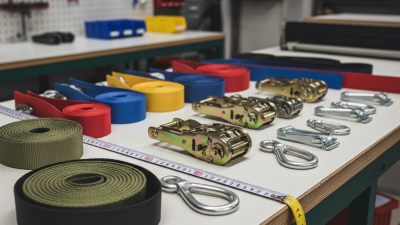
How to Choose the Best Webbing Strap for Your Needs?
Choosing the best webbing strap is crucial for safety and efficiency in various applications. According to a report by the National Safety Council, improper usage of webbing straps contributes to over 20% of workplace injuries related to transportation. These statistics highlight the importance of understanding specific needs before making a selection.
Dr. Emily Yates, a recognized expert in the webbing strap industry, emphasizes, “Selecting the right webbing strap can significantly reduce risks and improve load security.” This insightful perspective underlines the complexity involved in choosing a strap. Factors such as material, width, and strength ratings play a pivotal role. For instance, nylon webbing is known for its durability, while polyester offers excellent UV resistance.
However, the decision-making process often reveals gaps in knowledge. Many individuals overlook critical features, leading to mismatches between the strap and its application. Addressing these issues is essential for ensuring safety and reliability in usage. Awareness of these details can make the difference when stakes are high.
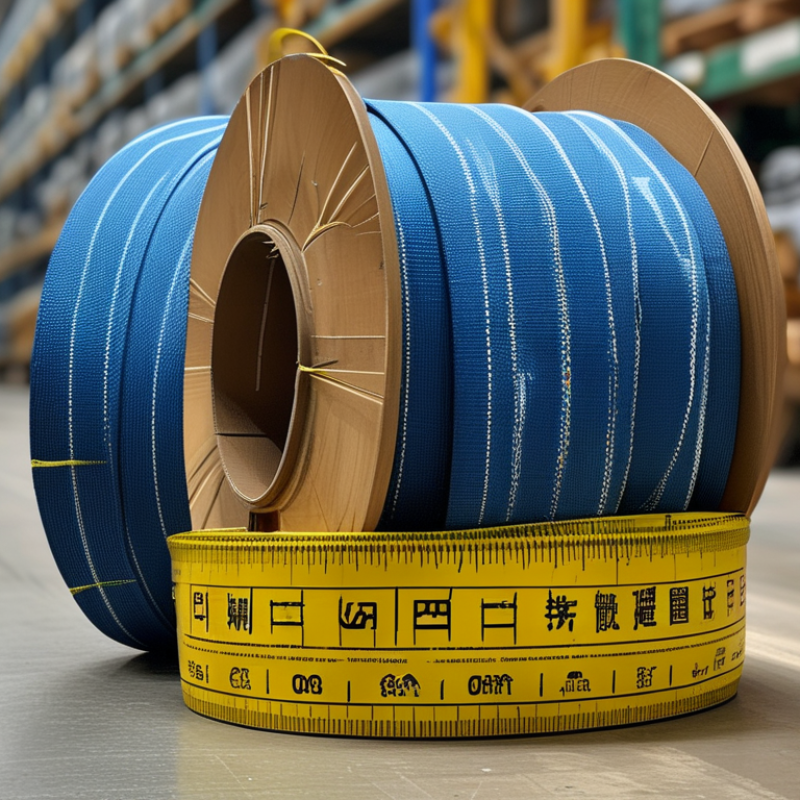
Understanding the Different Types of Webbing Straps Available
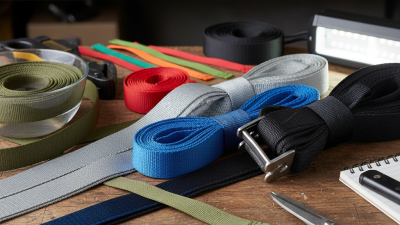
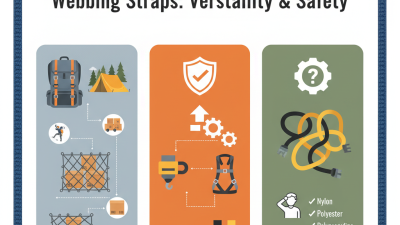
Webbing straps are crucial in various applications, from outdoor gear to industrial uses. Understanding their types helps in selecting the right one for specific needs. There are several types available, including nylon, polyester, and polypropylene straps. Each type has unique properties that cater to different situations.
Nylon webbing is strong and versatile. It resists abrasion and UV rays. This makes it suitable for outdoor applications. Polyester webbing offers excellent resistance to moisture and sunlight. It's often used in marine environments. Polypropylene webbing is lightweight and cost-effective. However, it can degrade faster than the others, especially under UV exposure.
Choosing the right strap requires careful consideration. Think about weight limits, exposure conditions, and storage. Not all straps perform equally well in all conditions. Testing different types may reveal unexpected weaknesses in your choice. Relying solely on specifications might lead to disappointment in real-world usage. A little research and trial can go a long way in ensuring your satisfaction.
How to Choose the Best Webbing Strap for Your Needs?
| Type of Webbing Strap |
Material |
Strength (lbs) |
UV Resistance |
Use Cases |
| Nylon Webbing |
Nylon |
4,000 |
Excellent |
Outdoor Gear, Climbing |
| Polyester Webbing |
Polyester |
3,000 |
Good |
Lifting, Securing Loads |
| Cotton Webbing |
Cotton |
1,500 |
Poor |
Fashion, Craft Projects |
| Rope Webbing |
Polypropylene |
2,000 |
Fair |
Camping, Outdoor Activities |
| Reflective Webbing |
Nylon/Reflective Material |
3,500 |
Moderate |
Safety Gear, Emergency Kits |
Evaluating the Load Capacity and Strength of Webbing Straps
When choosing a webbing strap, evaluating its load capacity and strength is crucial. Load capacity indicates the maximum weight the strap can safely carry. It's often listed as a breaking strength or working load limit. You should consider your specific use case. For heavier duties like towing or heavy lifting, opt for straps with higher ratings.
Strength is not just about the material used. Even high-strength materials can fail if poorly constructed. Inspect the stitching and fittings. A weak seam can be the difference between safety and disaster. Remember to account for dynamic loads, which can be significantly heavier than static ones.
Sometimes, users overlook the importance of testing their straps. Regular checks can catch potential failures before they happen. Reflect on how you use your straps. Perhaps you need to replace an old strap despite its rated capacity. Safety should always come first. Having reliable straps means peace of mind during use.
Considering Material and Durability for Your Webbing Strap Needs
When selecting the best webbing strap, the choice of material plays a crucial role. Nylon is strong and resistant to abrasions, making it a popular choice. Polyester, on the other hand, is UV-resistant and suitable for outdoor use. Both materials have their merits, but durability is key for longevity.
Tips: Consider your specific use case when choosing the material. A strap for outdoor gear may need to withstand different weather conditions. Think about the environment where the strap will be used. Does it need to cope with moisture or direct sunlight? These factors will influence your choice significantly.
Additionally, testing the strap strength is vital. Some straps may appear strong but fail under pressure. Always check the weight limits specified by the manufacturer. This can prevent potential accidents during use. If you have doubts, seek out user reviews for real-life experiences.
Tips: Don’t be afraid to ask for samples. Testing the strap in practical scenarios can highlight its strengths and weaknesses. Practical testing can often reveal issues that specifications won't show. The right webbing strap should not only fit your needs but also inspire confidence.
Assessing Width and Length for Specific Applications of Webbing Straps
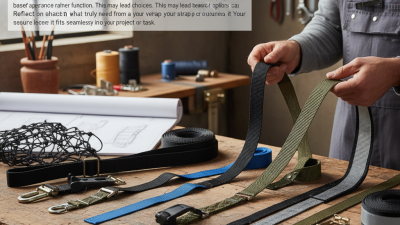
When choosing the right webbing strap, considering width and length is crucial. Different applications require different dimensions. For heavy-duty tasks, a wider strap may distribute weight more evenly. Narrower straps, however, can be easier to manage. Think about what you will use it for before making a decision.
Length matters too. A longer strap can provide versatility for various applications. Yet, if it’s too long, it might be cumbersome. Measure your needs and account for extra length if you require secure knots. Straps that are too short can compromise safety. It’s better to have a bit of excess than to find yourself short when you need it most.
Not all webbing straps are created equal. Reflect on intended use and the environment. Outdoor conditions can affect durability. Are you using it in a wet or dry area? Such factors should influence your choice. Errors in selection might lead to inconvenient situations. Always test your strap in safe conditions before committing to its use in more critical scenarios.
Webbing Strap Width and Length for Different Applications
Choosing the Right Accessories and Attachments for Webbing Straps
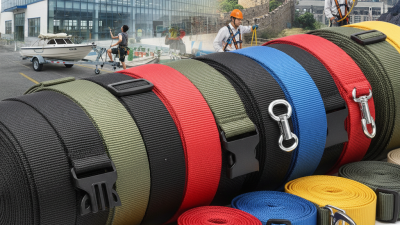
When choosing accessories and attachments for webbing straps, the right fit is crucial. Different activities require specific functionalities. For instance, carabiners may be ideal for climbing or outdoor gear. However, they might not suit other applications. Consider what you need based on your project. Each accessory should align with your intended use.
Next, examine the material and durability of attachments. Nylon and polyester options offer various strength levels. Some users overlook this aspect, leading to potential failures. A lightweight attachment may seem convenient, but it could compromise safety. Testing prototypes, if possible, can help ensure proper strength and compatibility.
Lastly, think about adjustability and ease of use. Straps with quick-release features might save time when dealing with frequent changes. Yet, these may also introduce complexity. Simplifying access while ensuring security is a delicate balance to strike. Reflect on your past choices and their outcomes. This can inform better decisions for future projects.