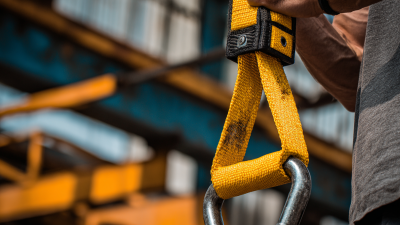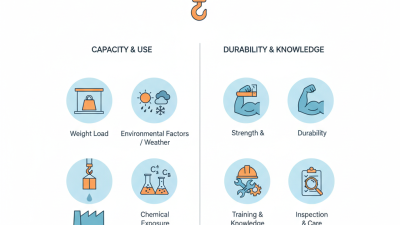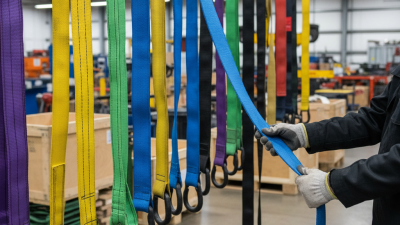
In today's competitive business landscape, choosing the right equipment is crucial for success. One essential tool for many industries is the Nylon Sling. This versatile piece of lifting equipment offers various benefits that can enhance operational efficiency and safety. Businesses that prioritize quality often gravitate towards Nylon Sling for their lifting needs.
Nylon Slings are known for their strength and durability. Unlike other materials, they do not easily wear out or become damaged. This reliability can lead to significant cost savings over time. Operators appreciate the lightweight nature of Nylon Slings, making them easy to handle and transport. This factor is particularly beneficial in fast-paced environments where every second counts.
However, not all applications may be suitable for Nylon Slings, prompting careful consideration. Each business must assess its unique lifting requirements and the specific advantages of Nylon Slings. It’s not just about functionality; understanding the limitations and proper usage is vital. This reflection ensures that the choice made supports not only immediate goals but long-term business needs.

Nylon slings have become increasingly popular in various industries. They offer substantial versatility and strength. One major advantage is their lightweight design. Workers find them easier to handle compared to metal alternatives. This decreases the risk of injuries and enhances efficiency.
Another benefit is their resistance to abrasion and chemicals. Nylon slings can endure challenging conditions. They perform well in environments with moisture or exposure to oils. However, care is required in extreme heat. While they are durable, high temperatures can weaken their structure. Regular inspections help catch potential issues early.
Nylon slings also come in various sizes and configurations. This adaptability allows businesses to customize solutions for specific tasks. It's essential to follow weight limits and guidelines to ensure safety. Ignoring these can lead to accidents. Overall, using nylon slings in your business can enhance productivity while promoting safety.
Nylon slings are essential in various industries, such as construction and manufacturing. Their strength and versatility make them a top choice for lifting and rigging applications. With a tensile strength often exceeding 30,000 pounds, nylon slings can easily handle heavy loads. This capability allows businesses to improve their operational efficiency while ensuring safety.
The material properties of nylon slings contribute significantly to their effectiveness. Nylon is known for its resistance to abrasion and UV rays, ensuring durability in harsh environments. According to a report from the Industrial Fabric Association International, the use of synthetic slings has risen by over 25% in recent years. This suggests businesses are recognizing the benefits of nylon’s lightweight nature and high flexibility.
Despite their advantages, some concerns remain. Nylon slings can stretch under heavy loads, which might lead to slippage during operations. Additionally, their performance can diminish when exposed to harsh chemicals. Regular inspections and understanding limitations are crucial. Businesses should prioritize worker training to ensure every team member can safely handle the slings. The balance of knowledge and practical experience is vital for optimal use.
| Benefit | Description | Application |
|---|---|---|
| High Strength | Nylon slings offer excellent tensile strength, making them ideal for heavy lifting. | Construction sites, industrial applications |
| Lightweight | Nylon slings are easy to handle and transport due to their lightweight nature. | Warehousing, logistics |
| Versatile | Can be used in various applications across different industries. | Agriculture, marine, automotive |
| Durability | Resistant to abrasion and weather conditions, providing long-term performance. | Outdoor lifting, storage |
| Chemical Resistance | Good resistance to many chemicals, enhancing longevity in industrial settings. | Manufacturing, chemical processing |
| Cost-Effective | Affordable option compared to metal slings, providing value without sacrificing safety. | Small businesses, budget constraints |
| Non-Conductive | Safe for use in electrical applications, reducing risk of shock. | Electrical work, maintenance |
| Easy to Inspect | Visual inspection for wear and damage is straightforward with nylon slings. | Safety protocols, regulatory compliance |
| Load Capacity Identification | Clear load limits ensure safe usage in various lifting scenarios. | Heavy machinery operation, construction |
| Customizable Lengths | Available in various lengths to suit specific lifting needs. | Specialized applications, tailored solutions |
Nylon slings are gaining traction in various industries for their remarkable durability and strength. Unlike traditional alternatives, nylon slings resist wear and tear better. They endure harsh conditions, making them ideal for heavy lifting and transportation tasks. Many companies recognize that relying on nylon slings reduces replacement costs over time. This realization highlights the importance of selecting quality materials for operational efficiency.
In addition to their longevity, nylon slings are lightweight and easy to handle. This characteristic allows workers to maneuver them with minimal effort. However, they require proper inspection and maintenance to ensure optimal usage. Users sometimes overlook these crucial steps, leading to unexpected failures. It is essential to educate teams on best practices for handling. Emphasizing proper care extends the service life of slings considerably.
The versatility of nylon slings also plays a significant role. They can adapt to various applications, from construction sites to warehouses. Yet, businesses must be aware of load limits to prevent accidents. Continuous training on weight capacities can enhance site safety. Despite their many benefits, over-reliance on any material without regular assessments may lead to inefficiencies. A balanced approach ensures both strength and reliability in operations.
Nylon slings are becoming a preferred choice in various industries. Their lightweight nature contributes directly to cost efficiency. Unlike metal alternatives, nylon slings are less likely to cause damage to materials during transport. This property reduces operational expenses significantly. Choosing nylon not only saves money but also enhances safety.
When considering nylon slings, it's essential to evaluate your specific needs. Not all slings are created equal. Different loads require different types of slings. Test the load limits of your equipment. This ensures that any investment you make is appropriate for your operations.
Remember to regularly inspect your slings for wear and tear. A small tear can result in costly accidents. Training employees on proper handling techniques can further reduce expenses. They should understand how to use slings efficiently and safely. This not only cuts costs but also improves overall workflow.
This bar chart illustrates the top 10 benefits of using nylon slings for business needs, highlighting their importance in cost efficiency, safety, and versatility among other factors.
Nylon slings have emerged as indispensable tools across a variety of industries. Their strength and lightweight nature make them ideal for lifting and transporting goods. According to a report by the Occupational Safety and Health Administration (OSHA), the use of synthetic slings, including nylon, can reduce the risk of workplace injuries by up to 20% due to their flexibility and reduced weight. This demonstrates their effectiveness in enhancing safety and efficiency.
Many industries make use of nylon slings in unique ways. The construction sector utilizes them to lift heavy materials. In the manufacturing realm, they assist in handling equipment and inventory. The transportation industry benefits from their ability to secure loads without adding unnecessary weight. An industry survey found that 78% of respondents reported improved handling times when using nylon slings.
Despite these advantages, there are challenges to consider. Users must be aware of proper maintenance to avoid wear and tear, as well as ensure they are using the appropriate sling for the weight of the load. The lack of visibility in knowing when a nylon sling is compromised is a concern. A regular inspection schedule is essential to ensure safety and efficiency, making it vital for businesses to invest in training on proper slinging techniques.
Nylon slings offer a range of benefits for businesses looking to enhance their operational efficiency and worker safety. These slings are known for their impressive material properties, including exceptional durability and strength that typically outlasts alternative lifting solutions. This resilience not only ensures longevity but also contributes to lower operational costs over time.
Moreover, the versatility of nylon slings enables their application across various industries, making them an ideal choice for diverse lifting tasks. With a focus on safety, these slings enhance worker protection, minimizing the risk of accidents associated with lifting procedures. In summary, incorporating nylon slings into business operations is a prudent choice, providing cost savings, extended durability, and improved safety for workers.