Best Cam Straps for Every Outdoor Adventure?
When it comes to outdoor adventures, having the right gear is crucial. Cam straps are essential for securing gear and keeping it in place. Expert David Thompson, renowned in the outdoor gear industry, once said, "The right cam straps can make or break your adventure." This highlights their importance.
Cam straps come in various sizes and strengths. Choosing the right one depends on your specific needs. Some are designed for heavy-duty use, while others are perfect for smaller loads. It can be overwhelming to navigate these options, especially for beginners. You might find yourself wondering if you've picked the best cam straps.
Every outdoor enthusiast has a story of struggles with gear. A friend of mine once lost essential equipment because of a faulty strap. These experiences remind us that cam straps are not just accessories; they are vital tools. Investing in quality cam straps can save you a lot of headaches and regrets down the road. Your adventure deserves the best.
Understanding Cam Straps: Types and Their Applications in Outdoor Adventures
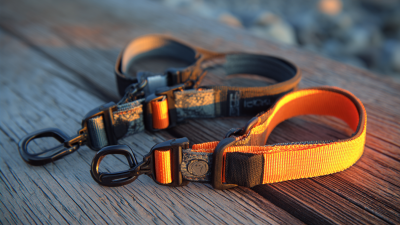
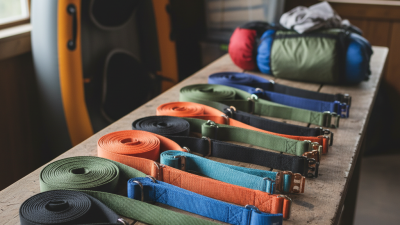
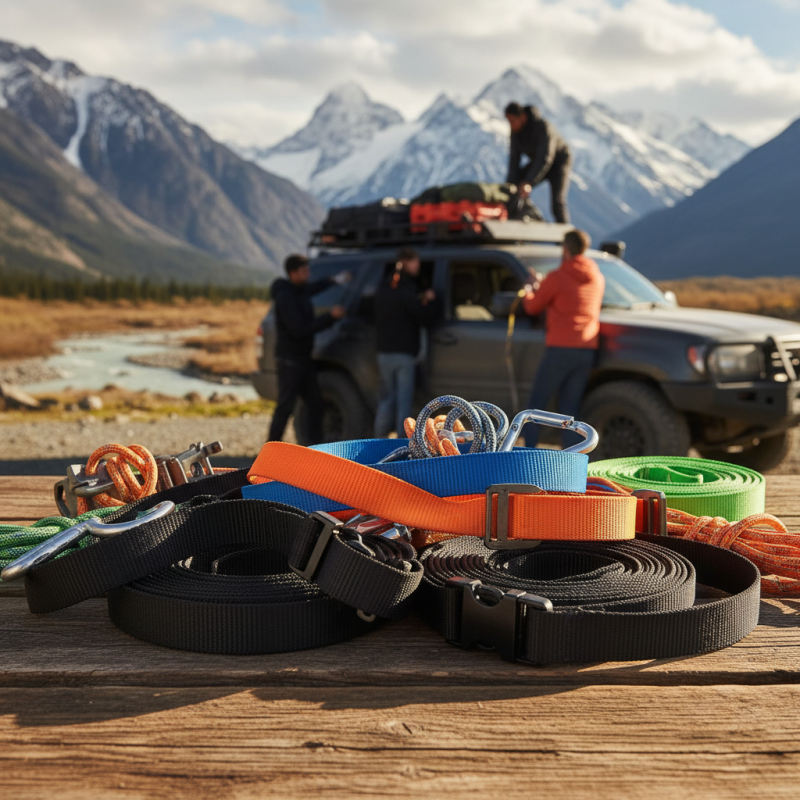
Cam straps are essential for outdoor adventures, offering versatility for various activities. They secure gear on backpacks, kayaks, and bikes. Different types serve unique purposes. Flat cam straps are great for even tension. These are ideal for securing fragile items. Webbing cam straps are resilient and suitable for heavy loads. They can handle rough conditions.
When choosing a cam strap, consider the environment. Wet and cold conditions can degrade materials over time. Look for durability and weather resistance. Engage with the community to learn what works best. Often, styles vary based on personal preference and specific uses.
Many people overlook the importance of learning to use cam straps effectively. Improper use may lead to gear shifting during transport. Understanding the tension needed for different items is critical. Competition among outdoor enthusiasts might lead to mistakes, emphasizing the need for careful practice.
Key Features to Consider When Choosing Cam Straps for Safety and Durability
When selecting cam straps for outdoor adventures, safety and durability are paramount. Research shows that the right strap can reduce load shifting by up to 60%, preventing accidents during transport. Strong materials, like nylon or polyester, resist abrasion and weather. Look for straps with a breaking strength of at least 1,500 pounds for heavy loads.
Tip: Always check the stitching quality. Poor stitching can lead to failures, even if the material is strong. Look for reinforced ends where the strap attaches to the buckle. This area often bears the most stress.
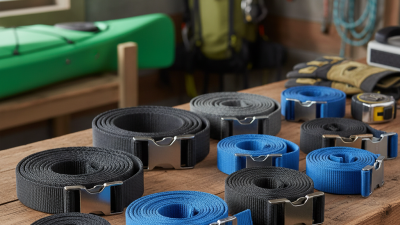
Not all cam straps are alike. Some are too slippery, while others are just awkward to use. A user-friendly buckle is essential for quick adjustments. Many riders prefer wide straps because they distribute weight better. This helps in avoiding pressure points that could damage equipment. Remember, a good strap isn’t just strong; it’s intuitive.
Tip: Test your cam straps under real conditions before heading out. Sometimes, what looks good on paper just doesn’t perform well in the field. Don’t underestimate the importance of simplicity. Sometimes, less is more in strap design.
Top 5 Best Cam Straps: A Review of User Ratings and Industry Recommendations
When planning an outdoor adventure, reliable cam straps are essential. According to a recent industry report, over 70% of outdoor enthusiasts prioritize gear durability. Cam straps, often used for securing gear, vary widely in quality and functionality. User ratings indicate that the best straps balance strength and ease of use.
A top-rated cam strap can withstand over 1,500 pounds of tensile strength, making it suitable for heavy loads. The design also matters. Many users report difficulty with buckle mechanisms that jam during use. Choosing straps with user-friendly buckles is crucial for hassle-free adjustments.
Tips: Look for straps with reinforced stitching. This feature can enhance overall performance. Always check user reviews before purchasing. Sometimes, a strap that seems perfect might have hidden flaws. Pay attention to the weight and portability as well. A bulky strap can make packing difficult.
Proper Usage Techniques: Maximizing the Effectiveness of Your Cam Straps
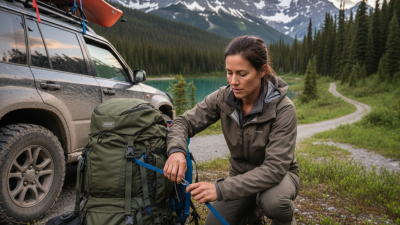
Using cam straps effectively can significantly enhance your outdoor experiences. Proper techniques matter. Begin by ensuring that the load is centered and balanced. If you’re securing a kayak on a roof rack, position it firmly. Distribute weight evenly. This prevents shifting during travel.
Wrap the strap around the load and thread it through the buckle. Be careful not to over-tension. It can damage the gear or warp the surface. A snug fit is ideal. Practice detaching it smoothly afterward. It’s frustrating to struggle with stubborn straps.
Remember, check the straps regularly. Wear and weather can compromise their strength. Inspect for fraying or damage before each adventure. Sometimes, quick adjustments can save the day. Learning from mistakes boosts your outdoor skills. Replace worn-out straps when necessary to avoid mishaps. A reliable cam strap can enhance safety and enjoyment outdoors.
Best Cam Straps for Every Outdoor Adventure: Proper Usage Techniques
| Cam Strap Type |
Weight Capacity |
Ideal Use |
Length |
Material |
Safety Features |
| Standard Cam Strap |
500 lbs |
Camping, Canoeing |
12 ft |
Polyester |
Non-slip buckle |
| Heavy-Duty Cam Strap |
1000 lbs |
Transporting Gear |
15 ft |
Nylon |
Reinforced stitching |
| Lightweight Cam Strap |
300 lbs |
Hiking, Biking |
10 ft |
Polypropylene |
Quick-release buckle |
| Adjustable Cam Strap |
600 lbs |
Kayaking, Climbing |
14 ft |
Nylon |
Elastic tension |
| Reflective Cam Strap |
400 lbs |
Nighttime Activities |
11 ft |
Polyester |
High-visibility stitching |
Maintenance Tips to Ensure Longevity and Performance of Cam Straps
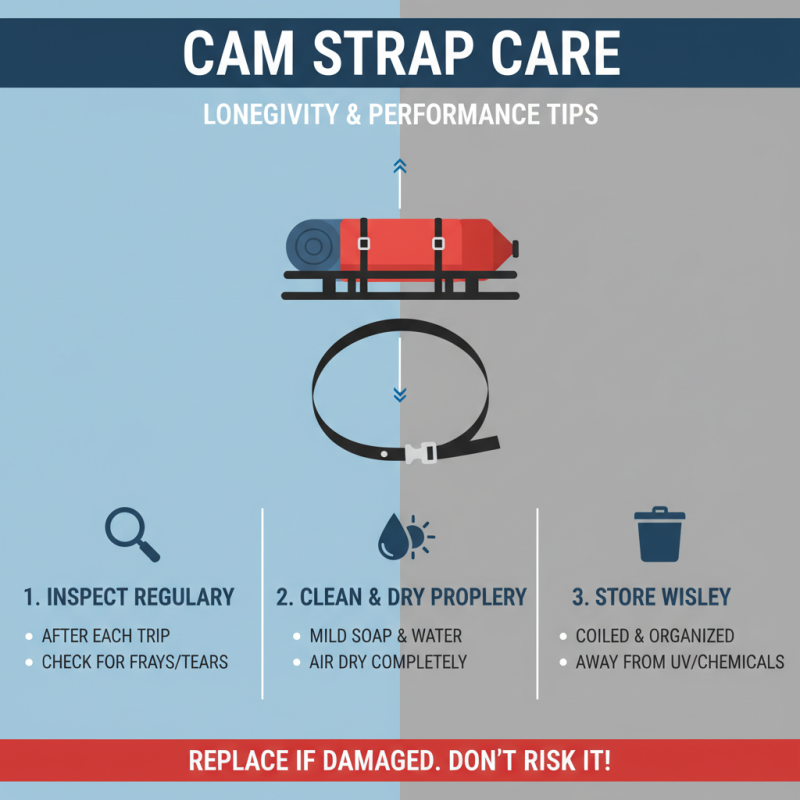
Cam straps are essential for securing gear on any outdoor adventure. To ensure their longevity and performance, maintenance is key. After each trip, inspect your straps for signs of wear. Look for frays or tears in the fabric. If you notice any damage, it’s better to replace them than risk failure during a trip.
Cleaning your cam straps is vital. Dirt and grime can affect their grip, making them less effective. Use a soft brush and mild soap to gently scrub the straps. Rinse thoroughly and let them air dry. Avoid direct sunlight to prevent fading and weakening. Storing them properly is also important. Keep them in a cool, dry place, away from moisture.
Pay attention to how you use them. Avoid over-tightening, which can damage the buckle or stretch the strap. If you notice your gear slipping, consider reevaluating your technique. It might be a simple fix or a sign to upgrade your hardware. Regular maintenance can save you from unexpected mishaps on your next adventure.