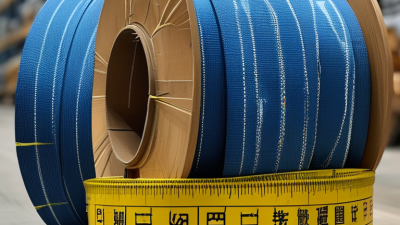
2026 Best Polyester Webbing Options for Global Buyers?
In the evolving market of outdoor gear and industrial applications, polyester webbing stands out. As global demand rises, the versatility and strength of polyester webbing make it a preferred choice for various industries. According to a recent report by Market Research Future, the global webbing market is predicted to exceed $5 billion by 2026. This growth reflects an increasing awareness of durable materials like polyester.
Industry expert Dr. Emily Harmon states, "Polyester webbing offers unmatched durability, which is crucial in extreme conditions." Her insights shed light on the importance of quality in choosing webbing options. As buyers seek reliable and tested products, the distinction between different polyester webbing types often goes unnoticed. Some items may lack detailed specifications, leading to potential mismatches in applications.
Furthermore, while polyester webbing is lauded for its strength, not all options provide the same performance under varying conditions. It's essential for buyers to assess their specific needs and to seek out expert recommendations. This ensures that the chosen polyester webbing meets both safety standards and performance expectations. The ongoing development in this sector continues to challenge manufacturers and buyers alike, necessitating a thoughtful approach to sourcing.

2026 Overview of Polyester Webbing Production and Material Properties
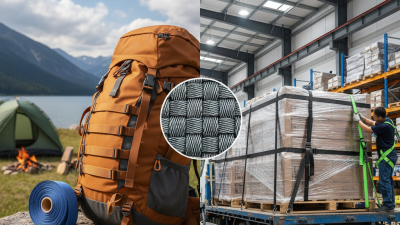
Polyester webbing has become increasingly popular in various industries due to its unique material properties. It is strong, durable, and resistant to abrasion. These qualities make polyester an excellent choice for applications such as outdoor gear and heavy-duty straps. The manufacturing process involves weaving long strands of polyester fibers, resulting in a sturdy end product. Furthermore, polyester webbing can withstand various weather conditions without significant degradation, making it ideal for global markets.
The production landscape for polyester webbing has evolved significantly. Advances in technology have improved efficiency and consistency. However, challenges remain. Variability in fiber quality can affect the overall performance of the webbing. Buyers should seek suppliers that prioritize quality control during manufacturing. Understanding the material properties is crucial, as they dictate the webbing's load-bearing capacity and flexibility.
Additionally, sustainability concerns are becoming prominent in production discussions. The environmental impact of polyester production raises questions about its long-term use. As awareness grows, many manufacturers are exploring recycled polyester options. This shift indicates a move toward more responsible practices. Prospective buyers should consider their suppliers' approaches to sustainability when sourcing polyester webbing in the coming years.
Key Global Markets for Polyester Webbing in 2026: Trends and Projections
The polyester webbing market is expected to thrive in 2026. Key global markets are witnessing significant growth driven by demand from various sectors. Outdoor gear, automotive, and construction industries are particularly notable. These sectors increasingly rely on durable materials. This trend is emphasizing the importance of quality polyester webbing.
Regulatory standards are influencing market dynamics. Buyers need to stay informed on compliance requirements. Awareness of sustainable practices is another growing concern. Eco-friendly production methods are being prioritized. However, fulfilling these standards can be a challenging task for manufacturers. There is a growing need for transparency in sourcing and production.
Technological advancements are shaping product offerings. Innovations in weaving techniques are resulting in stronger and lighter materials. However, balancing cost-effectiveness with quality remains a challenge. Maintaining competitive pricing while ensuring high standards is crucial. Global buyers must continually assess their options. The need for reliable suppliers will become more apparent as the market evolves.
Top Manufacturing Techniques Impacting Polyester Webbing Quality and Durability
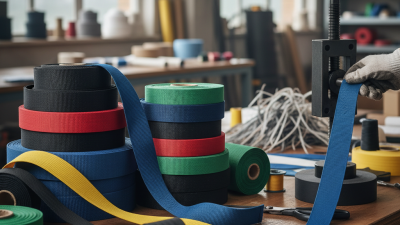
The manufacturing techniques used in polyester webbing significantly influence its quality and durability. Advanced weaving methods, such as Jacquard and shuttle weaving, allow manufacturers to produce stronger and more resilient webbing. According to a recent industry report, webbing made using these techniques can have up to 30% increased tensile strength compared to traditional methods. This improvement is crucial for applications ranging from outdoor gear to automotive safety.
Moreover, the dyeing processes for polyester webbing also impact its longevity. Solvent-free dyeing techniques minimize environmental impact while enhancing colorfastness. A study indicated that webbing dyed with environmentally friendly methods shows 15% better resistance to UV degradation. While there are innovative methods available, not all manufacturers adopt them. This inconsistency can lead to variations in product quality, highlighting the importance of thorough supplier evaluation.
Quality assurance plays a pivotal role in the manufacturing journey. Implementing rigorous testing protocols ensures that the webbing meets industry standards. However, many manufacturers still overlook this critical step. Research shows that webbing with poor quality assurance can break under stress levels that would be manageable for high-standard products. The gap between various manufacturing processes and adherence to quality standards remains a concern for buyers worldwide.
Comparative Analysis of Leading Polyester Webbing Brands and Their Features
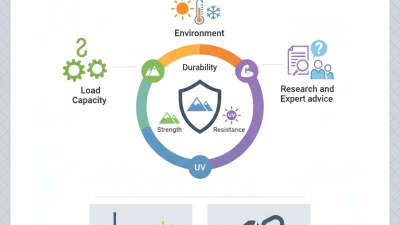
When evaluating polyester webbing, various brands offer distinct features. One important factor to consider is tensile strength. This determines how much weight the webbing can hold without tearing. High-strength options are crucial for safety in applications like lifting and towing. A good choice not only meets strength requirements but also resists wear and tear over time.
Another aspect is UV resistance. Some webbing can degrade when exposed to sunlight. Brands addressing this issue use treatments that enhance longevity in outdoor settings. Color retention is also significant; vibrant colors can fade quickly without proper treatment. Look for options that provide colorfastness guarantees, as it reflects quality and durability.
Lastly, consider the width and thickness of the webbing. Thicker webbing provides greater load-bearing capacity but can be bulkier. This trade-off often requires reflection on usage scenarios. Making an informed choice requires understanding specific needs and assessing brands' claims critically. With so many choices, careful evaluation ensures you select the right product for your projects.
Sustainability Trends in Polyester Webbing: Implications for Global Buyers
Sustainability is becoming crucial in the textile industry. Polyester webbing is no exception. Many global buyers are now looking for eco-friendly options. According to a report by Global Industry Analysts, the demand for sustainable textiles is expected to grow at a CAGR of 8% through 2026. This shift indicates a rising awareness of environmental issues.
Manufacturers are adopting recycled materials for production. In fact, around 55% of new polyester yarns are now sourced from recycled PET. This trend not only reduces plastic waste but also conserves resources. Buyers should consider suppliers who emphasize sustainability. Certifications like GRS (Global Recycle Standard) can help verify eco-friendly practices.
However, challenges still exist. The production of recycled polyester can be energy-intensive. This fact raises questions about the overall sustainability of the supply chain. Buyers need to weigh the benefits against the drawbacks. Continuous improvement in recycling methods is essential for a truly sustainable future in polyester webbing.
2026 Best Polyester Webbing Options for Global Buyers
| Webbing Type |
Width (mm) |
Tensile Strength (kg) |
Eco-Friendliness |
Market Price ($/m) |
| Standard Polyester |
25 |
300 |
Low |
0.50 |
| Recycled Polyester |
30 |
280 |
High |
0.70 |
| Heavy-Duty Polyester |
50 |
600 |
Medium |
0.90 |
| Satin Finish Polyester |
20 |
250 |
Low |
0.60 |
| Narrow Polyester |
10 |
150 |
Low |
0.40 |