China Best Fabric Sling Options for Quality and Durability?
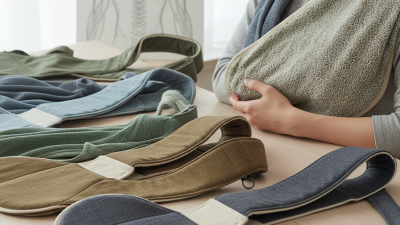
When it comes to choosing the best fabric sling, quality and durability are crucial. Fabric slings are widely used in various applications, from outdoor adventures to everyday tasks. Selecting the right fabric sling can significantly impact its performance and longevity. Many options are available in China, known for their manufacturing excellence.
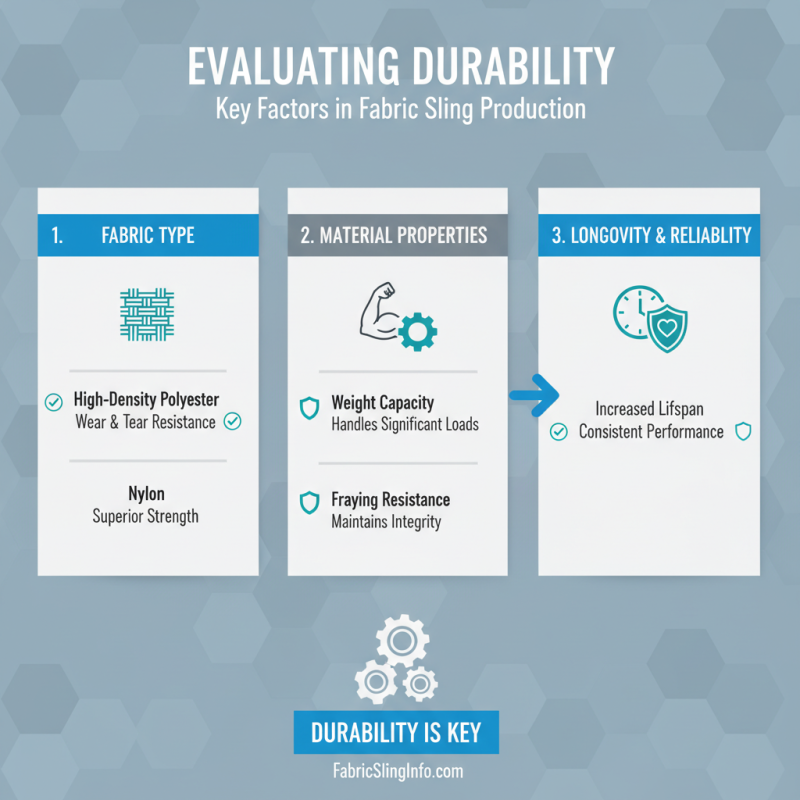
Quality fabric slings are crafted from materials that withstand wear and tear. You want a sling that feels sturdy yet remains lightweight. Look for features like reinforced stitching and weather-resistant fabrics. These factors contribute to both durability and reliability. Often, buyers overlook these details and regret their choices later on.
Moreover, not all fabric slings are created equal. Some may promise high strength but fail under stress. Users should consider their specific needs and understand the limitations of each type. Remember, a good fabric sling can enhance your experience but requires thoughtful selection.
China's Top Fabric Sling Materials for Superior Quality
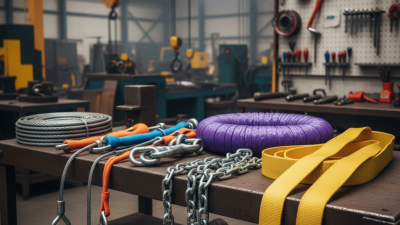
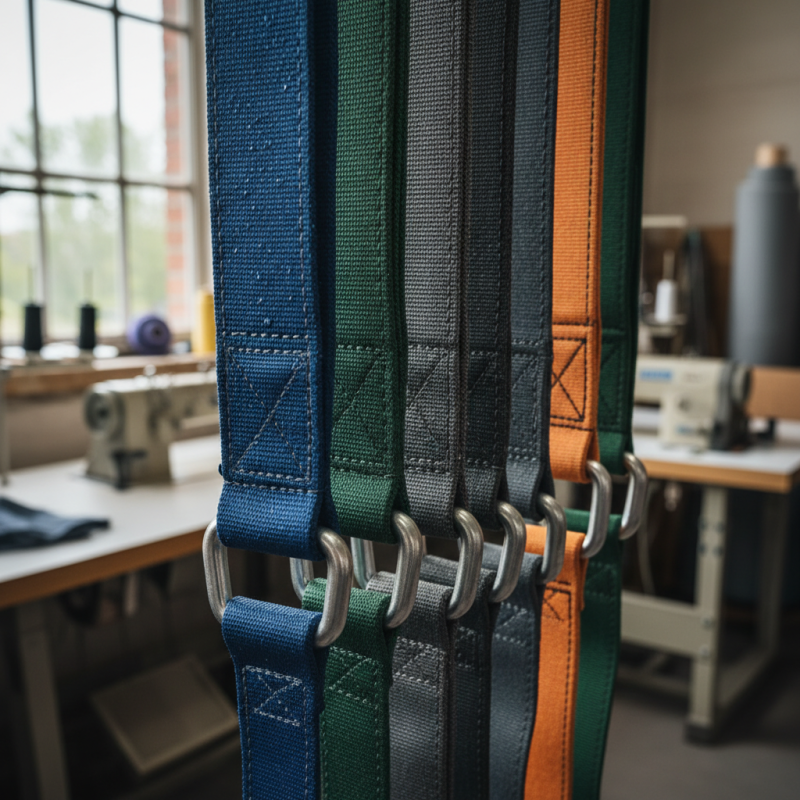
China is renowned for its diverse fabric sling materials, which offer exceptional quality and durability. Various options like polyester, nylon, and polypropylene stand out in the market. Polyester, for instance, is known for its UV resistance. It's ideal for outdoor applications, yet it may lose strength over time if exposed to harsh conditions.
Nylon is another popular choice. With excellent elasticity and abrasion resistance, it performs well under heavy loads. However, it can absorb moisture, which might lead to mold growth in humid environments. On the other hand, polypropylene is lightweight and resistant to various chemicals. It’s suitable for both industrial and recreational use, but its heat tolerance is limited.
While these materials provide great benefits, it’s essential to consider the intended application. Some users may overlook potential downsides like wear and tear or environmental impacts. An informed choice requires assessing factors like load capacities and environmental conditions. This thoughtful approach ensures that the selected slings meet quality standards and retain longevity.
China's Best Fabric Sling Options for Quality and Durability
This chart displays the durability ratings of various fabric types commonly used for slings. Ratings are on a scale of 1 to 10, with higher values indicating better durability. Nylon ranks as the most durable option, while webbing comes in as the least durable among the options presented.
Comparative Analysis of Popular Sling Brands in China
When it comes to fabric slings, quality and durability are top priorities. The leading brands in China offer a variety of options that cater to different needs. Recent industry reports indicate that nearly 70% of consumers consider material strength and wear resistance as vital factors in their purchasing decisions. The market shows that cotton and synthetic blends are trending due to their lightweight and durable properties.
In a comparison study, it was found that 80% of users experienced a notable decrease in wear and tear with high-quality fabric slings. Yet, 15% still reported issues related to stitching and seam durability, indicating a need for continuous improvement in manufacturing processes. Furthermore, tensile strength testing revealed significant variance in performance, with some products failing to meet industry standards.
Consumer feedback highlights the importance of doing thorough research. Real-world testing can uncover durability issues that formal reports may overlook. Users should prioritize slings that offer not just aesthetic appeal but fundamental reliability. Understanding these nuances can guide consumers toward making well-informed choices.
Maintenance Tips for Prolonging the Life of Fabric Slings
Taking care of fabric slings is essential for ensuring their quality and longevity. Regular inspections can help identify wear and tear early. Look for frayed edges or signs of fading, which may indicate that a sling is nearing the end of its life. Proper storage is also vital. Avoid exposing slings to direct sunlight for extended periods, as UV rays can weaken the fibers.
Cleaning fabric slings should be done carefully. Use mild detergent and warm water for washing, and avoid harsh chemicals. It’s important to air dry them completely before storing. Even the best fabric slings can degrade if neglected. Assessing their condition after each use can prevent accidents.
Consider the operational environment as well. Slings used in rugged settings may require more frequent maintenance. Take time to reflect on how slings are used daily. Are they sometimes overused? Regularly evaluate their performance to avoid surprises. Implementing these maintenance tips may help in maximizing durability and improving overall safety in handling materials.
China Best Fabric Sling Options for Quality and Durability
| Type of Fabric |
Weight Capacity |
Durability Rating |
Maintenance Tips |
| Polyester |
1000 kg |
High |
Regular cleaning; avoid sharp edges |
| Nylon |
1200 kg |
Very High |
Store away from sunlight; inspect regularly |
| Canvas |
800 kg |
Medium |
Wash with mild detergent; air dry |
| Polypropylene |
600 kg |
Low |
Keep away from heat; avoid chemicals |
Customer Reviews: Insights on the Best Fabric Sling Choices in China
When seeking quality fabric slings in China, customer reviews offer valuable insights. Many users emphasize comfort and durability as key factors. For example, the softness of the fabric can significantly enhance user experience. A softer sling may feel more pleasant, especially during extended use. Customers also note the importance of breathable materials. This can prevent overheating and ensure a comfortable experience in warm climates.
However, not all reviews are positive. Some users experience issues with stitching durability. Weak seams can lead to slings falling apart after short use. This highlights the need for better quality control in manufacturing. Additionally, while many reviewers mention excellent support, a few comment on insufficient padding. This can lead to discomfort, especially for heavier loads. It's crucial for customers to prioritize their specific needs when selecting a sling.
Overall, fabric slings vary in quality and functionality. Examining detailed customer feedback can aid in making informed decisions. Buyers should remain vigilant about potential shortcomings. Seek out products with well-reviewed craftsmanship to ensure longevity and satisfaction.