How to Choose the Right Lifting Sling for Your Needs?
Choosing the right Lifting Sling is crucial for safety and efficiency in material handling. According to industry reports, improper sling selection is a leading cause of lifting accidents, accounting for nearly 30% of all incidents in construction and manufacturing (National Safety Council, 2022). Experts urge users to consider factors like load type, weight, and environment before making a decision. John Smith, a renowned lifting equipment specialist, emphasizes, "The right Lifting Sling not only enhances safety but also boosts productivity."
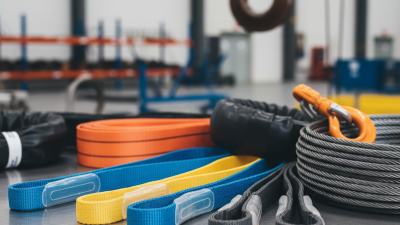
With numerous types of Lifting Slings available, each serves a unique purpose. Nylon, polyester, and wire rope slings come with distinct advantages and limitations. Selecting the wrong type can lead to equipment failure and potential injuries. Many users overlook the importance of maintenance and inspection, which are vital for ensuring longevity and reliability. Regular checks can prevent failures that might arise from wear and tear.
In the fast-paced world of material handling, choices must be informed and thoughtful. Understanding the specifications and recommendations for each Lifting Sling type is essential. This diligence can mitigate risks and promote safe practices. However, many still struggle with proper selection, leading to mistakes that could easily be avoided. Adopting a careful approach can significantly improve outcomes in lifting operations.
Understanding Lifting Slings: Types and Their Functions
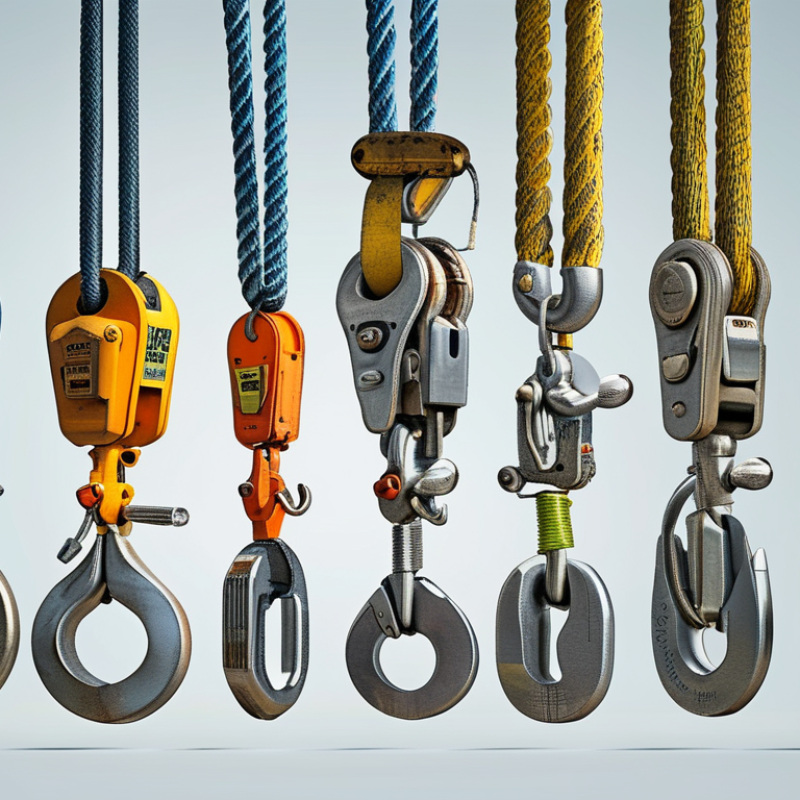
Lifting slings are vital for safe material handling. Understanding the different types can enhance efficiency in lifting operations. There are several types, including web slings, chain slings, and wire rope slings. Each has unique features suited for specific tasks.
Web slings are lightweight and flexible. They are ideal for delicate loads. However, they can be damaged by sharp edges. Chain slings offer strength and durability. They are perfect for heavy-duty lifting. Yet, they may not be suitable for all surfaces. Wire rope slings are versatile. They work well in harsh environments but can be more challenging to handle.
When selecting a lifting sling, consider the load's weight and type. Check the environment where you'll use the sling. Tips: always inspect your sling before use. Look out for signs of wear and tear. Keep slings clean and well-maintained. The right choice will ensure safety and efficiency in your operations.
Assessing Load Requirements: Weight, Size, and Shape Considerations
Choosing the right lifting sling is crucial for safety and efficiency. When assessing load requirements, consider the weight, size, and shape of the object you need to lift. Different loads require different slings. A heavy, bulky item may need a wider sling for stability. Smaller or oddly shaped objects might need specialized designs.
Tips for selecting a lifting sling:
- Measure your load precisely. Accuracy matters in choosing the right sling.
- Evaluate the shape of the load. Irregular shapes can make balancing difficult.
- Think about the lifting method. Some slings are better suited for vertical lifts, while others work well for horizontal pulls.
Reflect on your options carefully. A common mistake is overlooking load dynamics. The position of the load can change how it balances. Testing the sling before use is essential. Even experienced users can benefit from double-checking their choices to ensure safety.
Material Selection: Choosing Between Synthetic and Wire Rope Slings
When selecting lifting slings, the material plays a crucial role. Two primary options are synthetic slings and wire rope slings.
Synthetic slings, made from materials like nylon and polyester, offer lightweight solutions. They typically weigh 50% less than wire rope slings. This can significantly reduce the physical strain on workers during handling. However, synthetic materials have a limited temperature range. Temperatures above 180°F can weaken these slings.
On the other hand, wire rope slings are known for their superior strength and durability. They are ideal for heavy-duty applications. According to industry data, wire rope slings can support loads up to 20 tons. This makes them suitable for construction and industrial settings.
Yet, wire rope is more susceptible to environmental factors like rust and corrosion. Regular inspections are essential to ensure safety and reliability.
Choosing the right sling involves understanding specific needs. The environment and load type dictate which material is appropriate. In some cases, a combination of both may be best. A careful assessment can help avoid potential hazards. Understanding these materials' limitations and strengths is key to making an informed decision.
Evaluating Sling Configuration: Single-leg vs. Multi-leg Slings
When evaluating sling configurations, the choice between single-leg and multi-leg slings is essential. Single-leg slings are often simpler and easier to handle. They are ideal for lifting loads from one point. However, they may not provide enough stability for larger or more awkward loads. Their versatility can be beneficial in some situations, but they might pose risks if not used with care.
On the other hand, multi-leg slings offer enhanced stability and support. They distribute the load more evenly, making them suitable for lifting heavy or off-balance items. Using a multi-leg sling allows for a better grip on the load. This configuration can help prevent tipping or shifting during the lift. However, they require more setup time and knowledge to use correctly.
Choosing the right sling configuration depends on the load and the environment. Assessing the weight and shape of the load is crucial. Consider the lifting points and available rigging options. Both sling types have their pros and cons. Understanding these can lead to safer lifting practices. Crafting your approach with care is more effective than following standard routines blindly.
Choosing the Right Lifting Sling: Single-leg vs. Multi-leg Slings
Safety Standards and Regulations for Lifting Sling Use
When selecting lifting slings, understanding safety standards is crucial. The American National Standards Institute (ANSI) and Occupational Safety and Health Administration (OSHA) provide guidelines that outline the requirements for these tools. According to a report by the American Society of Mechanical Engineers (ASME), over 70% of lifting injuries are attributed to improper sling use. Familiarizing yourself with these regulations can help mitigate these risks.
Most lifting slings must adhere to ANSI/ASME standards, which specify design factors and testing procedures. For instance, the rated capacity of a lifting sling is critical. As per ASME B30.9, slings should be tested to support at least 5 times their maximum load. This factor of safety ensures that unexpected loads do not lead to catastrophic failure. However, during inspections, it can be easy to overlook signs of wear or damage, which may leave workers vulnerable.
Frequent training on sling use is essential for compliance. A survey revealed that nearly 40% of workers did not receive adequate instruction. Regular training and updated knowledge about regulations help maintain a safe working environment. Ignoring these elements can lead to unsafe practices. It is vital to routinely assess processes and standards to enhance safety in lifting operations.