Top China Best Lifting Sling Supplier for Global Buyers?
In the global lifting industry, the demand for high-quality lifting slings is on the rise. Leading experts emphasize that choosing the right supplier is crucial. According to Mark Thompson, a renowned expert in lifting equipment safety, “The reliability of a lifting sling can save lives.” This statement underlines the importance of selecting a trusted supplier.
China has emerged as a key player in the lifting sling market. Its manufacturers are known for producing durable and innovative products. However, buyers need to be cautious. Not all suppliers meet rigorous safety and quality standards. There have been instances of subpar slings causing failures in critical operations.
Engaging with reputable suppliers ensures that lifting slings meet international safety guidelines. Buyers should look for certifications and customer reviews. Trustworthy suppliers showcase their expertise through transparent communication. This can reveal insights into the production process and material sourcing. While the market offers diverse options, diligence is necessary for safe and efficient lifting operations.
Overview of China's Lifting Sling Industry and Market Trends
China's lifting sling industry is witnessing significant growth, driven by a booming construction and manufacturing sector. According to a recent market report, the projected market value is expected to reach $3 billion by 2025, with a compound annual growth rate (CAGR) of 6.5%. This growth is largely due to the increasing demand for safety and efficiency in lifting operations.
One important trend is the rise of advanced materials. Manufacturers are shifting towards synthetic slings, which offer greater durability and lower weight compared to traditional options. These materials provide better ease of handling and contribute to improved load management. The focus on safety standards is also intensifying. Companies are now more stringent about compliance with international safety regulations. Non-compliance can result in financial losses and damages to reputation.
However, challenges remain. The global supply chain disruptions have affected raw material availability. This has driven up costs for manufacturers, putting pressure on profit margins. Additionally, quality control practices must evolve to keep pace with production demands. Despite these hurdles, the outlook remains positive for the lifting sling market in China, encouraging ongoing investment and innovation.
Key Features and Types of Lifting Slings Manufactured in China
China has emerged as a pivotal player in the global lifting sling market. This industry is projected to grow significantly, projected to reach USD 1.8 billion by 2026, according to market analyses. In the lifting sling sector, the types of slings produced vary widely, including polyester, nylon, and wire rope slings. Each type caters to specific lifting needs, showcasing diverse applications in construction, transportation, and warehousing.
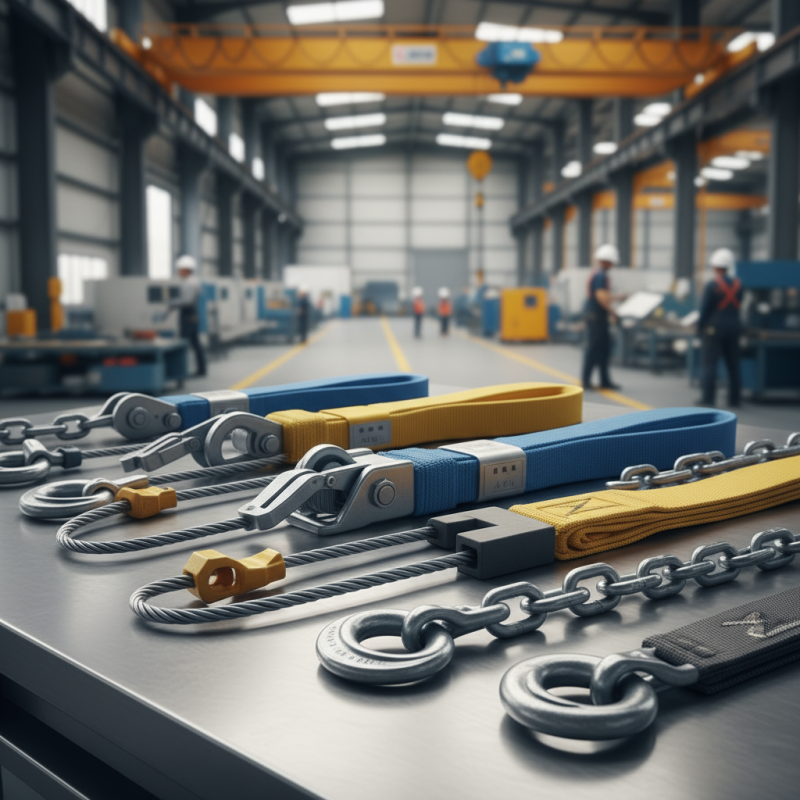
Polyester slings are renowned for their lightweight nature and high strength-to-weight ratio. They are suitable for heavy loads but can be susceptible to UV damage. Conversely, nylon slings offer excellent stretch and energy absorption, making them ideal for dynamic loads but may not withstand high temperatures. Wire rope slings bring in another dimension with their superior durability and resistance, commonly used in heavy machinery and cranes.
Buyers should scrutinize supplier credentials closely. Not all manufacturers adhere to international safety standards.
Data from industry reports indicate that up to 30% of slings fail to meet specified safety criteria. Regular quality audits and certifications are crucial to ensuring safety and reliability. This aspect emphasizes the importance of choosing the right supplier, reflecting both experience and expertise in the field.
Criteria for Selecting a Reliable Lifting Sling Supplier in China
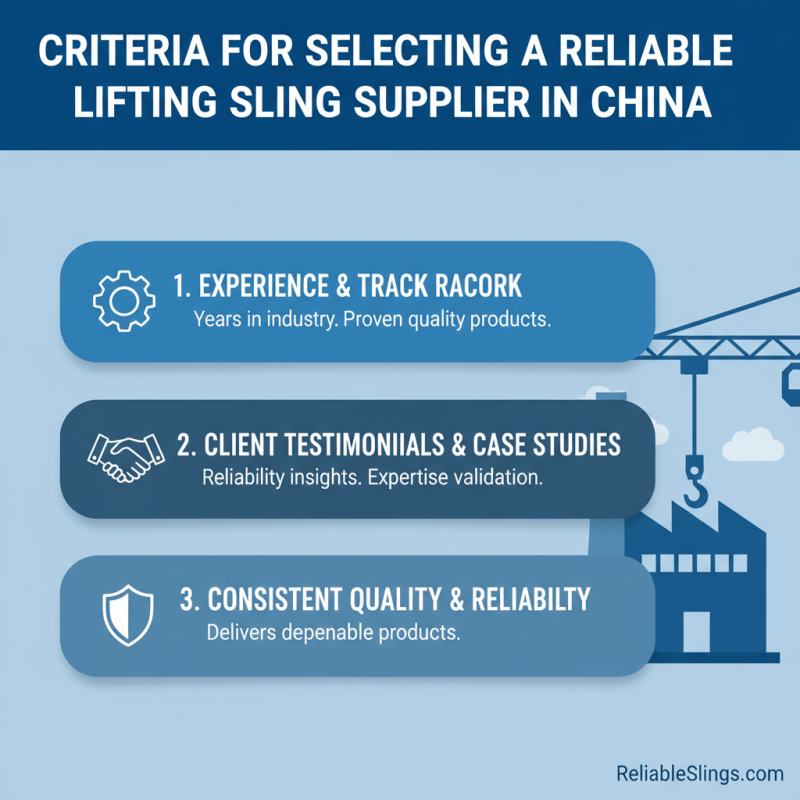
When searching for a reliable lifting sling supplier in China, consider a few key criteria. Experience is vital. Suppliers with years in the industry often better understand the nuances of lifting applications. Look for their track record in delivering quality products consistently. Check their client testimonials and case studies to gauge their expertise. This can provide insights into their reliability.
Quality control measures are crucial. Ask potential suppliers about their manufacturing processes. Do they implement strict quality checks? A reputable supplier should have certifications demonstrating compliance with international standards. Production transparency is important. Suppliers should share details about the materials used and their sourcing practices. Transparency fosters trust.
Finally, evaluate customer support. How responsive is the supplier when you reach out? Good communication can prevent future issues. An engaging supplier shows they care about your needs. It reflects their commitment to service. Your choice may impact the safety and success of your lifting operations, so take the time to choose wisely. Balancing quality, support, and experience will lead you to the right partner.
Top China Lifting Sling Suppliers: A Comparative Analysis
When exploring top lifting sling suppliers in China, a comparative analysis reveals significant variations in quality, pricing, and service. Many suppliers offer a diverse range of products, including polyester, nylon, and chain slings. The right choice depends on your specific lifting needs, such as load capacities and environmental conditions.
Tips: Always verify the certifications and quality standards of suppliers. This step ensures that you choose a reliable provider. Check customer reviews to gauge the supplier's reputation.
While China is known for its manufacturing prowess, not all suppliers adhere to the same quality control measures. Some may cut costs at the expense of safety. It’s crucial to conduct thorough research before committing to any supplier. Understanding each supplier's strengths and weaknesses can help you make an informed decision.
Tips: Seek samples to evaluate product quality. This can also provide insights into their manufacturing processes. Don't hesitate to ask for references to confirm supplier reliability.
How to Establish Successful Partnerships with Chinese Suppliers
Building successful partnerships with Chinese suppliers requires a strategic approach. The lifting sling industry has shown steady growth, projected to reach $1.5 billion by 2025. Understanding cultural nuances is key. Many Western businesses overlook the importance of relationship building in China. Face-to-face meetings and trust are vital.
Effective communication can bridge gaps in understanding. Utilize clear language and avoid jargon. Be prepared for multiple rounds of negotiation. This process can be slow but is necessary for establishing trust.
Tips: Consistent follow-ups demonstrate commitment. Consider visiting suppliers periodically to nurture ties. Research industry standards and best practices to show expertise. Use local resources for market insights. Build a partnership over time, as short-term transactions may limit your potential. Understanding the supplier's needs can pave the way for mutual success.