Essential Tips for Choosing the Right Lifting Sling?
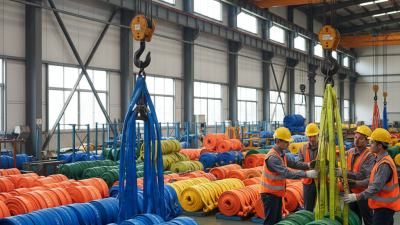
Choosing the right lifting sling is crucial for safety and efficiency in various lifting operations. A lifting sling, designed to support heavy loads, plays a significant role in industrial settings. Selecting the appropriate sling involves considering factors such as load type, weight, and environment.
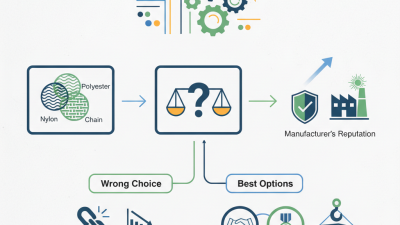
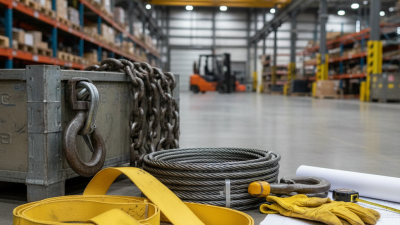
Experience shows that not all lifting slings are created equal. Some slings may seem suitable but lack the required strength or flexibility. Quality matters; choosing a reliable sling can prevent workplace accidents. Evaluate different materials like nylon, polyester, and wire rope, as each serves distinct purposes.
While we can find various guidelines, the process is often complicated. Understanding the specifications and limitations is essential. It can be challenging to choose correctly. Mistakes may happen, but learning from them leads to better decisions in the future. Prioritize safety by investing time in selecting the right lifting sling to ensure that your operations run smoothly.
Understanding Different Types of Lifting Slings and Their Applications
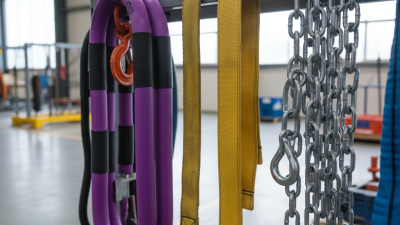
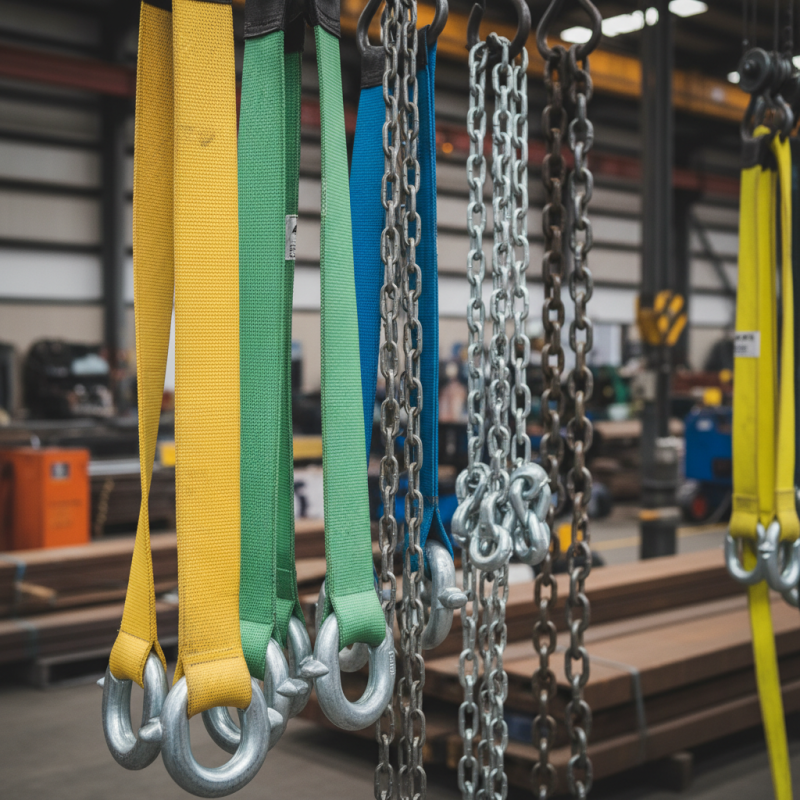
When selecting a lifting sling, it’s vital to understand their different types and applications. Lifting slings come in various shapes and materials, each suited for specific tasks. For instance, nylon slings are versatile and durable, often used for general-purpose lifting. Rope slings, on the other hand, offer flexibility in confined spaces. However, the use of synthetic materials can lead to degradation over time when exposed to harsh conditions.
Another important type is the chain sling. Chain slings are strong and reliable, suitable for heavy loads and rough environments. They have a longer lifespan, but their weight and rigidity make them less flexible than other options. Additionally, the choice between single leg and multi-leg slings significantly impacts load balance. Multi-leg slings allow for a larger load distribution but require careful rigging to avoid accidents.
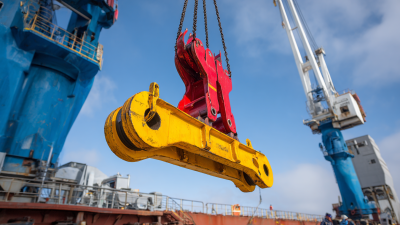
The application of each sling type should also consider the lifting environment. For example, a sling used outdoors may face different stressors than one used indoors. It's crucial to avoid assumptions about capability based solely on appearance. Regular inspection and maintenance can reveal hidden weaknesses. Understanding these nuances ensures safety and efficiency in lifting operations. Choose wisely to avoid costly mistakes.
Key Factors to Consider When Selecting a Lifting Sling
When selecting a lifting sling, understanding the key factors is essential. Material choice is critical. Nylon and polyester are popular for their strength and durability. According to industry reports, synthetic slings account for over 60% of the market due to their lightweight and high resistance to abrasion. Choosing the right material affects the sling's performance and lifespan.
Load capacity is another vital aspect. Each lifting sling comes with a rated capacity, which must match or exceed the weight of the load. Miscalculating this can lead to accidents. The ASME B30.9 standard emphasizes the importance of adhering to these capacities to ensure safety. Additionally, environmental conditions should not be overlooked. Exposure to chemicals, extreme heat, or UV rays can weaken slings.
Lastly, pay attention to the design of the sling. Different designs serve different purposes. For example, round slings are versatile, while Web slings provide a larger surface area for load distribution. Always reflect on your specific lifting needs. Examine your operational environment and choose accordingly. Taking time to evaluate these factors ensures safety and efficiency.
Essential Tips for Choosing the Right Lifting Sling
Safety Standards and Regulations for Lifting Slings in the Industry
When selecting lifting slings, safety standards are crucial. According to the Occupational Safety and Health Administration (OSHA), slings must meet certain criteria to ensure worker safety. Slings should adhere to specific load capacities, which vary by material type. For example, nylon slings have a lower maximum load limit compared to steel slings. It's essential to follow these guidelines to prevent accidents.
Using the right sling is not just a matter of preference; it's vital for safety. Always check if the sling is labeled with its capacity. Also, inspect for wear and tear regularly. A worn sling can compromise safety and lead to accidents on-site. If there’s any doubt about a sling’s integrity, it’s best to replace it.
When it comes to working with lifting slings, familiarity with industry standards is key. The American National Standards Institute (ANSI) provides guidelines to help choose the right sling. Ensure your team is trained in lifting protocols. This can significantly reduce the risk of injuries. To improve safety awareness, consider regular safety meetings. Sharing knowledge empowers everyone on the team to prioritize safety. Your next lift could depend on it.
Evaluating Material Strength and Durability for Reliable Lifting Slings
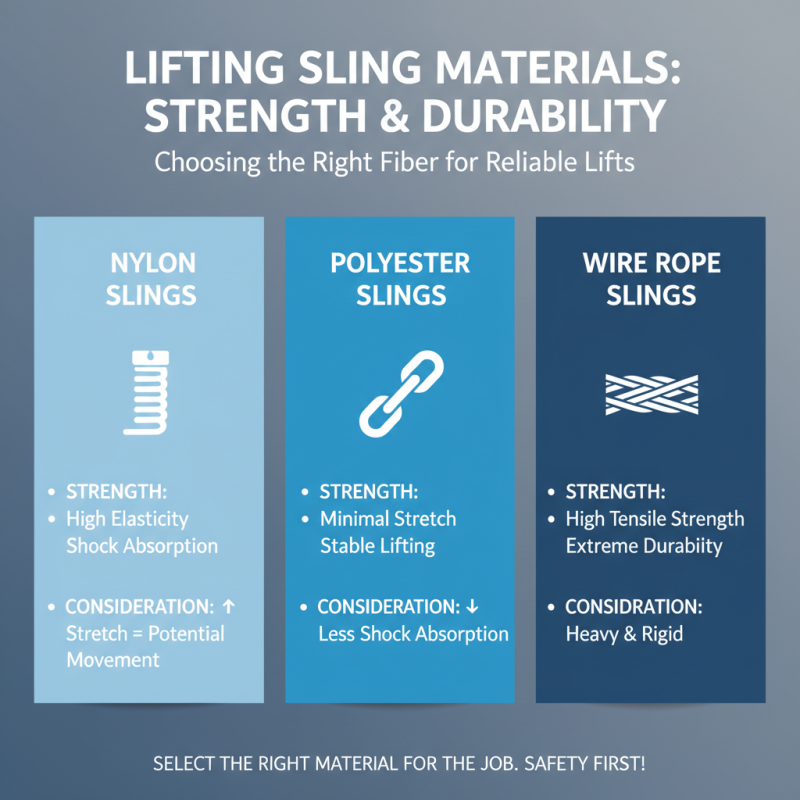
When selecting a lifting sling, the evaluation of material strength and durability is crucial. Different applications demand specific fibers and constructions. Common materials include nylon, polyester, and wire rope; each presents unique strengths. Nylon slings tend to stretch, which can be a double-edged sword. This elasticity can absorb shock but may lead to unexpected movement during lifting. Polyester, on the other hand, offers minimal stretch, providing a more stable lifting experience.
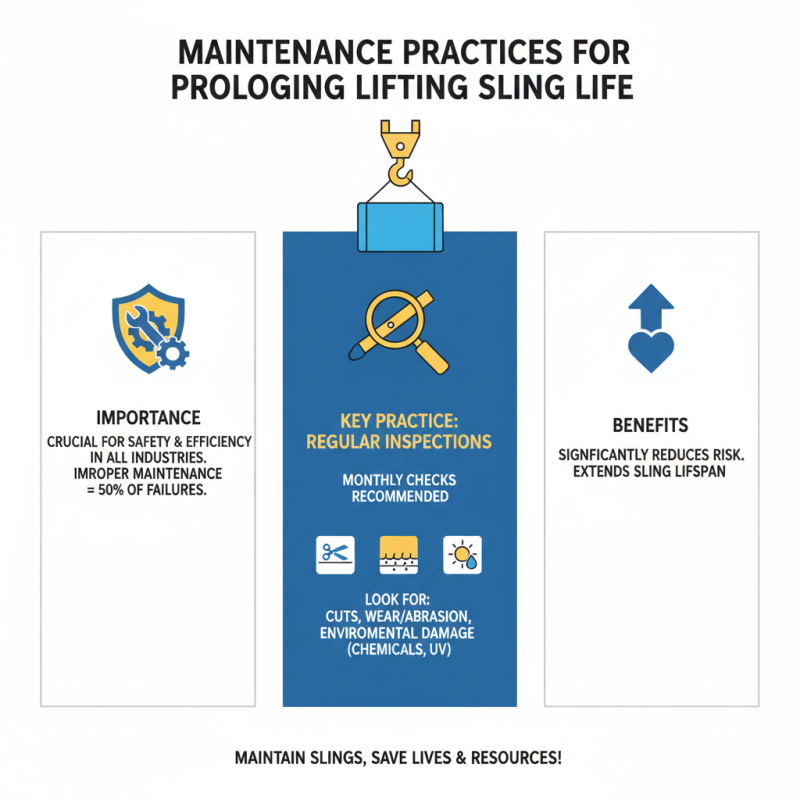
Regarding durability, factors like UV exposure and chemical resistance play significant roles. For outdoor projects, slings that resist UV degradation are essential to prolong lifespan. Regular inspections are necessary to identify wear and tear. Look for signs such as fraying or discoloration, indicating that the sling may no longer be reliable. A sling can look good on the surface but may have hidden weaknesses. Testing the lift capacity is advised, especially if the sling shows signs of past use. Inadequate attention to these details can lead to safety risks, affecting both the load and personnel involved.